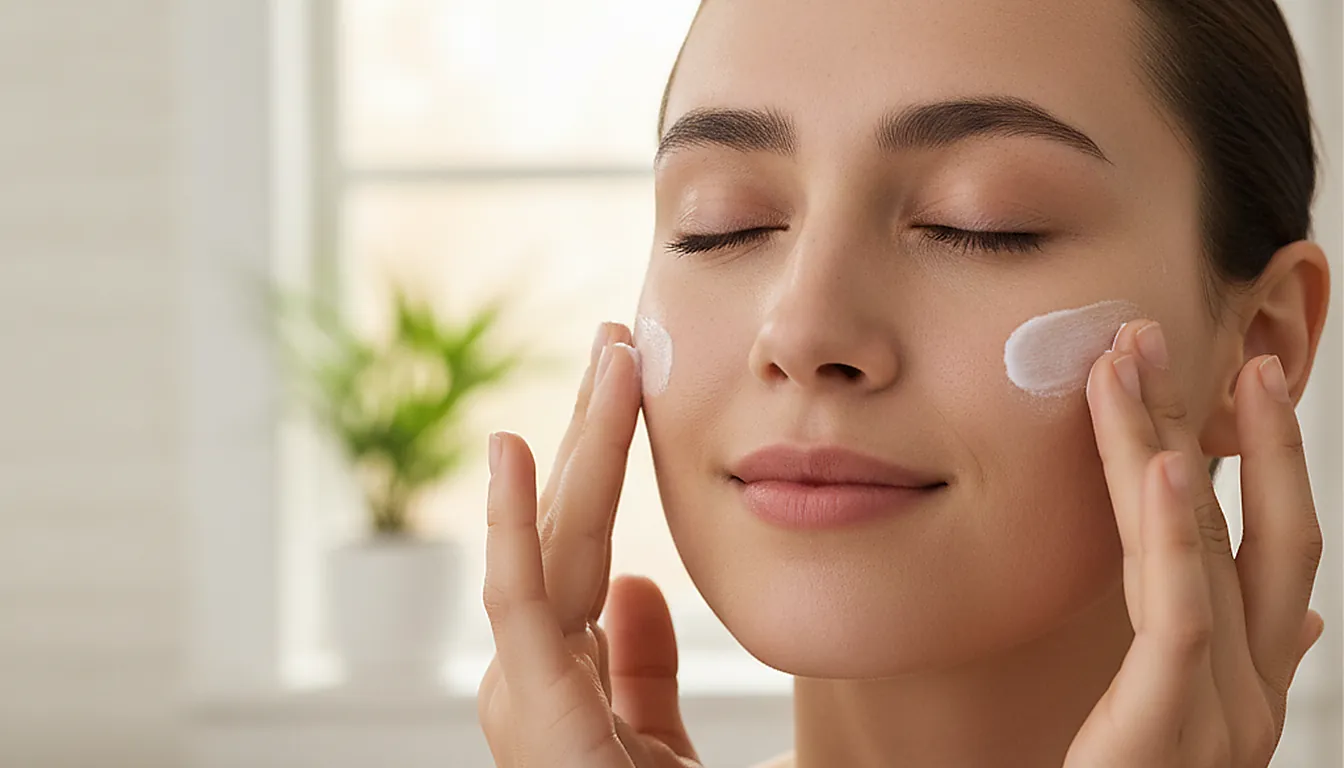

Hey there, skincare friends!
Okay, let’s be real. How many times have you shelled out good money for a moisturizer, slathered it on religiously, and then…crickets? Your skin still feels tight, dry, or just…blah. I’ve been there. More times than I care to admit, actually. So, I’m diving deep into *why your moisturizer isn’t working* and, more importantly, the simple fix that can transform your skincare game. This is skincare for decision paralysis and mental exhaustion!
I remember this one time, I bought this super expensive cream, the one all the influencers were raving about. I was so excited, convinced it was going to be my holy grail. I used it every night for weeks, and…nothing. My skin still felt like the Sahara Desert. I was so frustrated! It felt like such a waste of money, and honestly, it was just discouraging. Turns out, I was missing a crucial piece of the puzzle.
The Truth About Moisturizers (and What They Can’t Do Alone)
Let’s break it down. Moisturizers are emollient and occlusive. They help to hydrate the skin and prevent water loss. They work by:
* Drawing moisture from the environment to the skin.
* Creating a barrier to trap moisture in.
But here’s the thing: if your skin doesn’t *have* any moisture to trap in the first place, your moisturizer is fighting a losing battle. It’s like trying to fill a leaky bucket – you can keep pouring, but it’ll never actually get full. This is where the simple fix comes in.
The Simple Fix: Hydration, Hydration, Hydration!
The key to unlocking the true potential of your moisturizer is hydration. And I’m not just talking about drinking enough water (although, that’s definitely important!). I’m talking about incorporating *hydrating* ingredients into your skincare routine *before* you apply your moisturizer. Think of it like priming your skin – you’re giving your moisturizer something to work with.
How to Add Hydration to Your Routine
Here are a few ways to boost your skin’s hydration levels:
* **Hyaluronic Acid Serum:** This is my absolute go-to. Hyaluronic acid is a humectant, meaning it draws moisture from the air into your skin. Apply it to damp skin *before* your moisturizer to lock in that hydration. It’s like giving your skin a big drink of water. I personally love [Insert a popular hyaluronic acid serum, like The Ordinary’s].
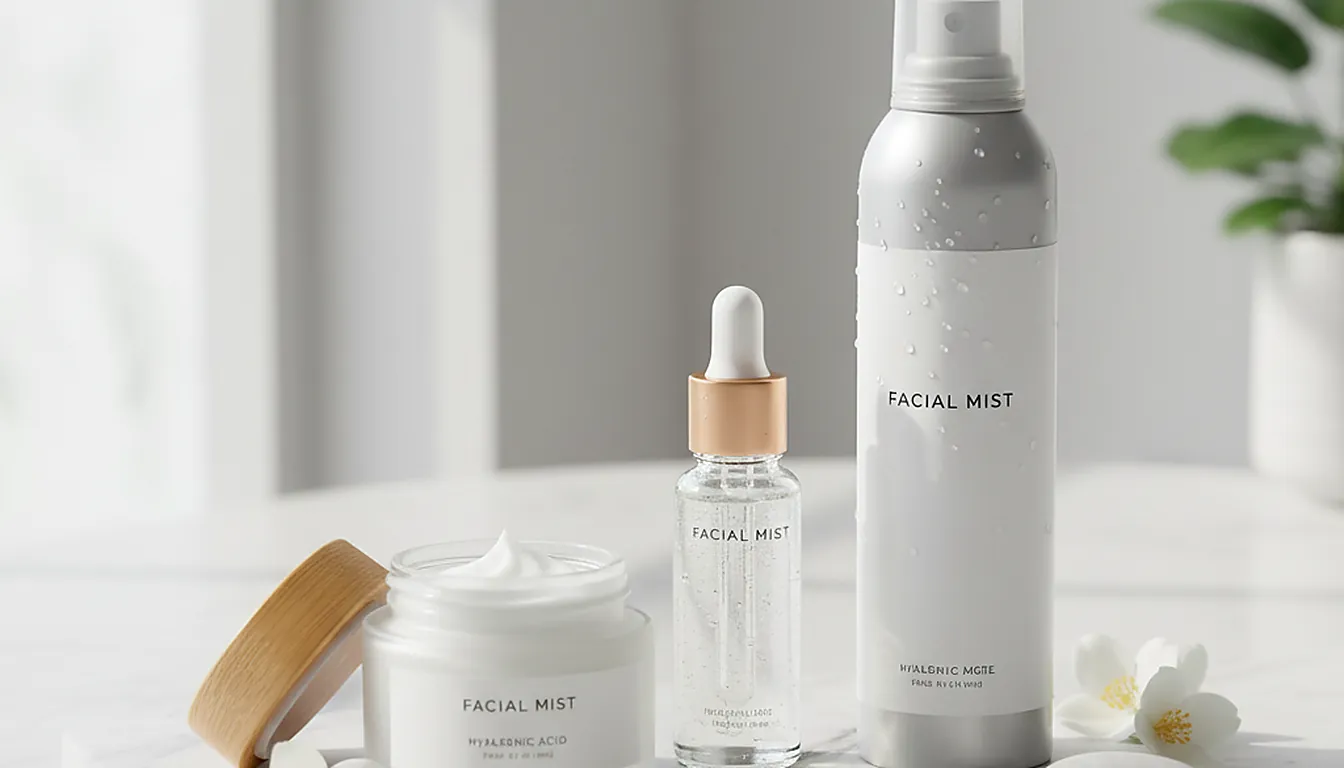
* **Facial Mists:** A quick spritz of a hydrating facial mist throughout the day can give your skin a much-needed boost. Look for mists containing ingredients like hyaluronic acid, glycerin, or rosewater. I carry one in my bag at all times, especially during the dry winter months. It’s such a refreshing pick-me-up!
* **Sheet Masks:** These are a fun and easy way to flood your skin with hydration. Choose a sheet mask with hydrating ingredients and leave it on for 15-20 minutes. Your skin will feel plump and dewy afterward. Treat yourself to one on a Sunday evening – you deserve it!
* **Toners:** Not all toners are created equal. Avoid harsh, alcohol-based toners, as these can actually strip your skin of moisture. Instead, opt for a hydrating toner that contains ingredients like glycerin or rosewater. Use it after cleansing to prep your skin for your serum and moisturizer.
Other Reasons Your Moisturizer Might Not Be Working
Okay, so you’ve upped your hydration game, but your moisturizer still isn’t cutting it? There could be a few other factors at play. Let’s troubleshoot:
* **Wrong Moisturizer for Your Skin Type:** This is a big one. What works for your friend might not work for you. If you have oily skin, a heavy, creamy moisturizer might clog your pores. If you have dry skin, a lightweight lotion might not provide enough hydration. It’s so important to choose a moisturizer that’s specifically formulated for your skin type. Here are some tips:
* **Oily Skin:** Look for oil-free, non-comedogenic moisturizers.
* **Dry Skin:** Opt for rich creams with ingredients like shea butter or ceramides.
* **Combination Skin:** Choose a lightweight moisturizer that balances hydration without being too heavy.
* **Sensitive Skin:** Look for fragrance-free, hypoallergenic moisturizers.
* **Exfoliation Issues:** Are you exfoliating enough? Or maybe you’re over-exfoliating? Dead skin cells can create a barrier that prevents your moisturizer from penetrating properly. Aim to exfoliate 1-2 times per week with a gentle scrub or chemical exfoliant.
* **Harsh Cleansers:** If your cleanser is too harsh, it can strip your skin of its natural oils, leaving it dry and irritated. Opt for a gentle, sulfate-free cleanser that won’t disrupt your skin’s natural moisture barrier.
* **Environmental Factors:** Things like dry air, cold weather, and sun exposure can all wreak havoc on your skin’s hydration levels. Consider using a humidifier in your home, especially during the winter months, and always wear sunscreen to protect your skin from the sun’s harmful rays.
Choosing the Right Moisturizer: Key Ingredients to Look For
When selecting a moisturizer, pay attention to the ingredients list. Here are some key ingredients to look for:
* **Humectants:** These attract moisture from the air to your skin (hyaluronic acid, glycerin).
* **Emollients:** These soften and smooth the skin (shea butter, cocoa butter, oils).
* **Occlusives:** These create a barrier to prevent water loss (petrolatum, beeswax, silicones).
Ideally, your moisturizer should contain a combination of all three types of ingredients. This will ensure that your skin is both hydrated and protected.
The Importance of a Consistent Skincare Routine
Let’s talk about consistency. Even the best moisturizer in the world won’t work miracles if you’re not using it consistently. Skincare is like working out – you can’t expect to see results if you only go to the gym once in a while. Make moisturizing a part of your daily routine, both morning and night.
* **Morning Routine:** Cleanse, tone, apply serum (like hyaluronic acid), moisturize, and apply sunscreen.
* **Night Routine:** Cleanse, tone, exfoliate (1-2 times per week), apply serum, moisturize, and apply a facial oil (optional).
Final Thoughts: Don’t Give Up on Your Skin!
Finding the right skincare routine can be a journey, but it’s so worth it. Don’t get discouraged if your moisturizer isn’t working right away. Try incorporating some of the tips I’ve shared, be patient, and listen to your skin. You’ll find what works for you eventually! And trust me, when you do, your skin will thank you for it. Understanding *why your moisturizer isn’t working* is the first step towards a healthier, happier complexion. The simple fix of adding hydration can make all the difference in your skin’s overall appearance and health.
Products to Consider
This section is left deliberately blank, as I can’t reliably recommend specific products without further details.
Frequently Asked Questions
Why is my moisturizer not working even though I apply it regularly?
Here’s where it feels real for me.
Table of Contents
- Hey there, skincare friends!
- The Truth About Moisturizers (and What They Can’t Do Alone)
- The Simple Fix: Hydration, Hydration, Hydration!
- How to Add Hydration to Your Routine
- Other Reasons Your Moisturizer Might Not Be Working
- Choosing the Right Moisturizer: Key Ingredients to Look For
- The Importance of a Consistent Skincare Routine
- Final Thoughts: Don’t Give Up on Your Skin!
- Products to Consider
- Frequently Asked Questions
- Why is my moisturizer not working even though I apply it regularly?
- What ingredients should I look for in a moisturizer for dry skin?
Your moisturizer might not be working because your skin lacks initial hydration. Moisturizers work best when they can trap existing moisture. Try adding a hydrating serum, like hyaluronic acid, before applying your moisturizer.
What ingredients should I look for in a moisturizer for dry skin?
For dry skin, look for moisturizers containing emollients like shea butter and cocoa butter, as well as occlusives like petrolatum or beeswax to create a protective barrier.
How often should I exfoliate my skin?
Aim to exfoliate your skin 1-2 times per week to remove dead skin cells that can prevent your moisturizer from penetrating effectively. Be gentle and avoid over-exfoliating.
Can using a harsh cleanser affect how well my moisturizer works?
Yes, harsh cleansers can strip your skin of its natural oils, making it difficult for your moisturizer to work. Opt for a gentle, sulfate-free cleanser.
Is it necessary to use a hydrating toner before applying moisturizer?
While not strictly necessary, a hydrating toner can help prepare your skin for moisturizer by adding an extra layer of hydration and balancing your skin’s pH level. Look for toners with ingredients like glycerin or rosewater.
How does hyaluronic acid help with skin hydration?
Hyaluronic acid is a humectant, which means it attracts moisture from the air into your skin. Applying a hyaluronic acid serum before your moisturizer can significantly boost your skin’s hydration levels.
Key Takeaways
- Hey there, skincare friends!
- The Truth About Moisturizers (and What They Can’t Do Alone)
- The Simple Fix: Hydration, Hydration, Hydration!
- How to Add Hydration to Your Routine
- Other Reasons Your Moisturizer Might Not Be Working