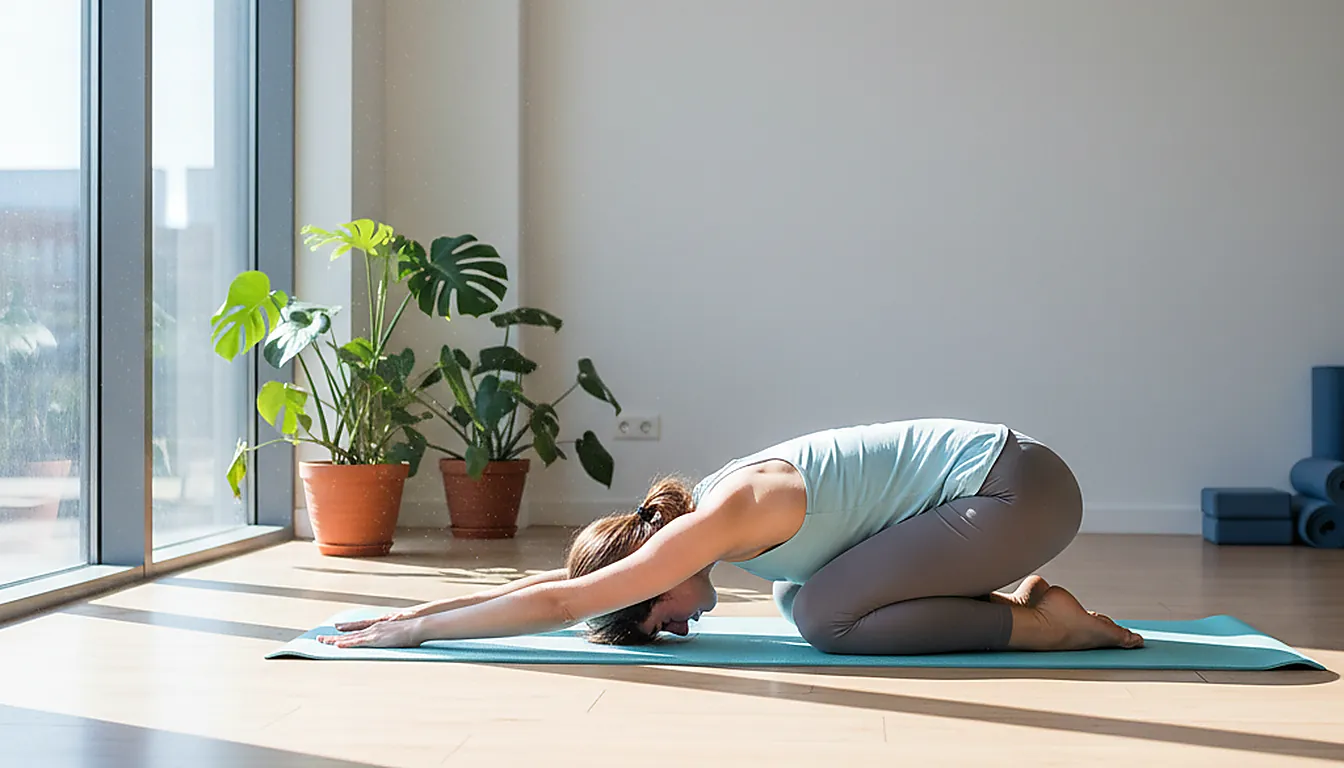
Hey Friends! Let’s Talk Yoga and Strength
Okay, so, raise your hand if you’ve ever wondered if yoga *really* counts as strength training. I know I have! For years, I thought of yoga as more of a stretching and relaxation thing. You know, something to do on days when I wasn’t hitting the weights or going for a run. But lately, I’ve been diving deeper, and the answer is… well, it’s complicated. Let’s unpack this, shall we?
Table of Contents
- Hey Friends! Let’s Talk Yoga and Strength
- My Own Yoga Journey: From Stiff to Slightly Less Stiff (and Stronger!)
- Understanding the Different Styles of Yoga
- So, Is Yoga Enough for Strength Training?
- Benefits of Yoga for Strength Training
- How to Incorporate Yoga into Your Strength Training Routine
- Specific Poses that Build Strength:
- My Final Thoughts: Finding Balance
- Frequently Asked Questions
- Can yoga replace traditional strength training?
- Which types of yoga are best for building strength?
- How often should I practice yoga to see strength gains?
The truth is, the line between yoga and strength training is blurrier than you might think. Some styles definitely build strength, while others are more focused on flexibility and mindfulness. And that’s totally okay! It all depends on what you’re looking for.
My Own Yoga Journey: From Stiff to Slightly Less Stiff (and Stronger!)
Let me tell you a little story. A few years ago, I was all about high-intensity workouts. Give me burpees, give me squats, give me ALL the cardio! Yoga? Eh, not so much. I thought it was too slow, too… zen. Then, I injured my knee. Suddenly, those high-impact activities were off the table. Desperate to stay active, I reluctantly signed up for a yoga class. And guess what? It kicked my butt! I was shaking in poses I thought would be a breeze, and the next day, my muscles were sore in places I didn’t even know existed. It was a total wake-up call.
That’s when I started to understand that yoga can be strength training, but not all yoga is created equal.
Understanding the Different Styles of Yoga
This is where things get interesting. There are so many different types of yoga, it can be overwhelming! Here’s a quick rundown of some popular styles and their strength-building potential:
- Ashtanga: This is a rigorous, physically demanding style that involves a set sequence of poses. Definitely a strength builder! Think lots of chaturangas (yoga push-ups) and core work.
- Vinyasa: Also known as “flow yoga,” vinyasa links breath to movement. It can be challenging and build strength, depending on the instructor and the specific sequence.
- Power Yoga: As the name suggests, power yoga is a more intense, fitness-focused style of yoga. It’s a great option if you’re looking to build strength and endurance.
- Hatha: Hatha is a general term that encompasses many different styles of yoga. It’s typically slower-paced and more gentle than Ashtanga or Vinyasa, but it can still be beneficial for building strength and flexibility.
- Yin Yoga: Yin yoga focuses on holding poses for longer periods of time to target the deep connective tissues. It’s not primarily a strength-building practice, but it can improve flexibility and range of motion.
- Restorative Yoga: This is all about relaxation and stress reduction. It’s not a strength-building practice, but it’s a wonderful way to unwind and recharge.
So, Is Yoga Enough for Strength Training?
Honestly? It depends on your goals. If you’re a serious athlete looking to build maximum muscle mass, yoga alone probably won’t cut it. You’ll likely need to incorporate traditional weightlifting into your routine. However, if you’re looking to improve your overall strength, endurance, and flexibility, yoga can be a fantastic option. Especially if you go for the power yoga or ashtanga styles.
Benefits of Yoga for Strength Training
Here’s why I think yoga is an amazing addition to any fitness routine, even if you’re already hitting the gym:
- Full-Body Workout: Yoga engages muscles all over your body, from your legs and core to your arms and back.
- Improved Core Strength: Many yoga poses require you to engage your core muscles, which can improve your stability and balance.
- Increased Endurance: Holding poses for extended periods of time can build muscular endurance.
- Enhanced Flexibility: Yoga stretches and lengthens your muscles, which can improve your flexibility and range of motion.
- Reduced Stress: Yoga can help to calm your mind and reduce stress, which can have a positive impact on your overall health.
- Improved Body Awareness: Yoga encourages you to pay attention to your body and how it moves, which can improve your body awareness.
How to Incorporate Yoga into Your Strength Training Routine
Okay, so you’re convinced that yoga can be beneficial for strength training. Now what? Here are a few tips for incorporating yoga into your routine:
- Start Slow: If you’re new to yoga, start with a beginner-level class or online video. Don’t try to do too much too soon, or you risk injury.
- Listen to Your Body: Pay attention to your body and don’t push yourself beyond your limits. It’s okay to modify poses or take breaks when you need them.
- Choose the Right Style: Experiment with different styles of yoga to find one that you enjoy and that meets your fitness goals.
- Be Consistent: The key to seeing results with yoga is consistency. Aim to practice yoga at least a few times per week.
- Combine with Other Forms of Exercise: Yoga can be a great complement to other forms of exercise, such as weightlifting, running, or swimming.
Specific Poses that Build Strength:
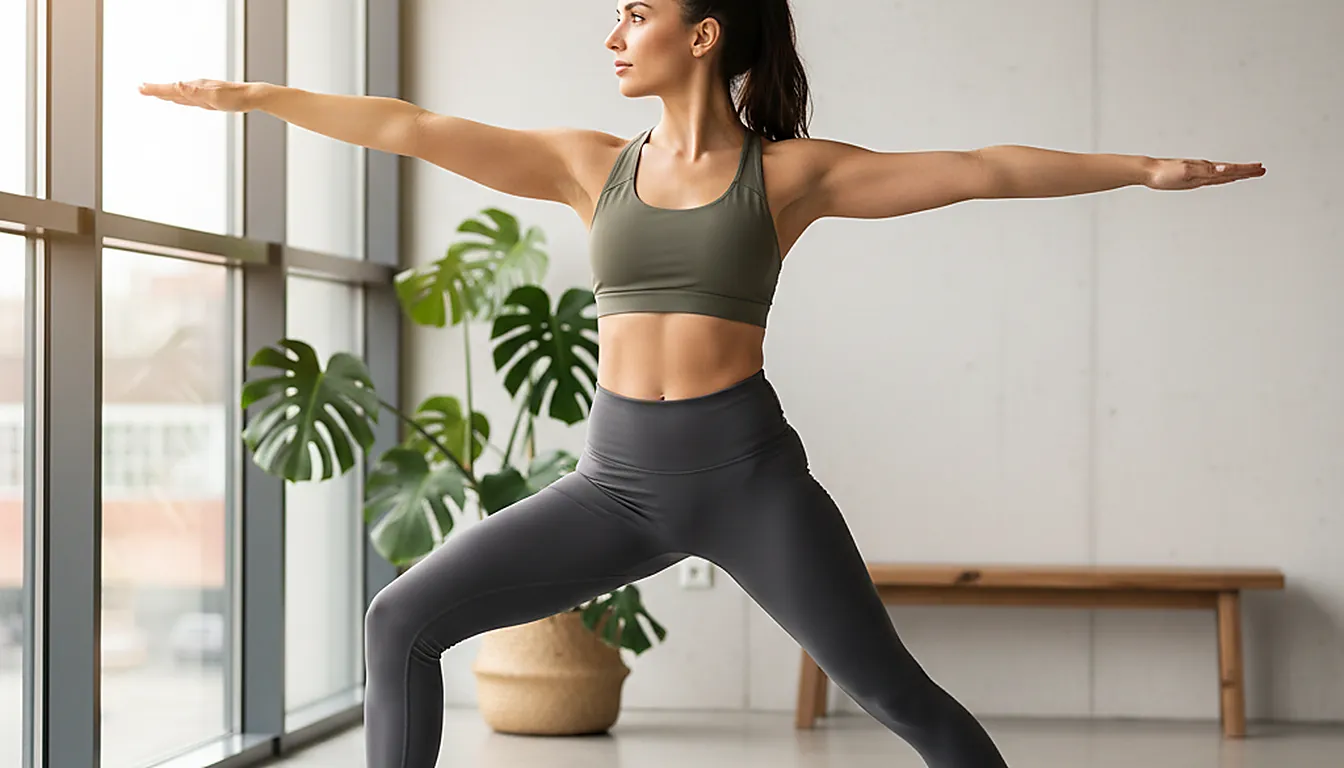
Here’s where it feels real for me.
- Plank: Engages your core, shoulders, and arms.
- Chaturanga: A yoga push-up that strengthens your chest, shoulders, and triceps.
- Warrior Poses (I, II, III): Strengthens your legs and improves balance.
- Chair Pose: Builds strength in your legs and core.
- Boat Pose: Strengthens your core and hip flexors.
My Final Thoughts: Finding Balance
For me, the journey to understanding yoga’s strength-building potential has been transformative. I still love my high-intensity workouts, but I’ve learned to appreciate the unique benefits that yoga offers. It’s not just about physical strength; it’s about mental clarity, emotional balance, and a deeper connection to my body. Incorporating yoga into my routine has made me stronger, more flexible, and more resilient, both physically and mentally.
So, is yoga *really* strength training? My answer is a resounding… maybe! It depends on your goals, your approach, and your definition of strength. But one thing is for sure: yoga is a powerful tool that can help you become a stronger, healthier, and happier version of yourself. And that’s something worth exploring.
Now, tell me, what’s your favorite type of yoga? And have you noticed any strength gains from your practice? Let’s chat in the comments below!
Frequently Asked Questions
Can yoga replace traditional strength training?
It depends on your fitness goals. If you’re aiming to build significant muscle mass, you’ll likely need traditional weightlifting. However, yoga can be a fantastic way to improve overall strength, endurance, flexibility, and body awareness.
Which types of yoga are best for building strength?
Ashtanga, Vinyasa (especially power vinyasa), and Power Yoga are generally considered the most strength-building styles of yoga due to their rigorous sequences and challenging poses.
How often should I practice yoga to see strength gains?
Consistency is key! Aim to practice yoga at least a few times per week to see noticeable strength gains and improvements in flexibility and endurance.
What are some specific yoga poses that build strength?
Plank, Chaturanga, Warrior poses (I, II, and III), Chair pose, and Boat pose are all excellent yoga poses for building strength in various muscle groups.
Is yoga good for core strength?
Yes! Many yoga poses, such as plank, boat pose, and various balancing poses, require you to engage your core muscles, which can improve your stability and balance.
Can yoga help with injuries?
Yoga can be a helpful tool for injury rehabilitation and prevention. However, it’s essential to listen to your body, modify poses as needed, and consult with a healthcare professional before starting any new exercise program, especially if you have existing injuries.
Key Takeaways
- Hey Friends! Let’s Talk Yoga and Strength
- My Own Yoga Journey: From Stiff to Slightly Less Stiff (and Stronger!)
- Understanding the Different Styles of Yoga
- So, Is Yoga Enough for Strength Training?
- Benefits of Yoga for Strength Training