Remember that feeling? The one where your heart feels like it’s trying to escape your chest? The endless to-do lists, the racing thoughts, the feeling that you’re constantly juggling flaming chainsaws while riding a unicycle? Yeah, me too. For years, anxiety ruled my life. I remember sitting in traffic, hands gripping the steering wheel so tight my knuckles were white, my mind a swirling vortex of worry. I’d spend hours scrolling social media, feeling inadequate and comparing myself to everyone else. The stress was relentless, and I felt utterly trapped. Then, I found mindfulness meditation for beginners.
I know what you’re thinking: “Meditation? Sounds so… *woo-woo*.” I used to think the same thing. I pictured myself sitting cross-legged on a mountaintop, chanting in Sanskrit. But the reality is far from that. Mindfulness meditation is a practical, accessible tool that anyone can use to manage stress, improve focus, and cultivate a sense of inner peace. And honestly? It’s changed my life.
This isn’t some airy-fairy, impossible-to-achieve goal. This is about making space for yourself in your day, even if it’s just for five minutes. This is about noticing, without judgment, what’s happening in your body and mind. And the best part? You don’t need any special equipment or training. You can start today.
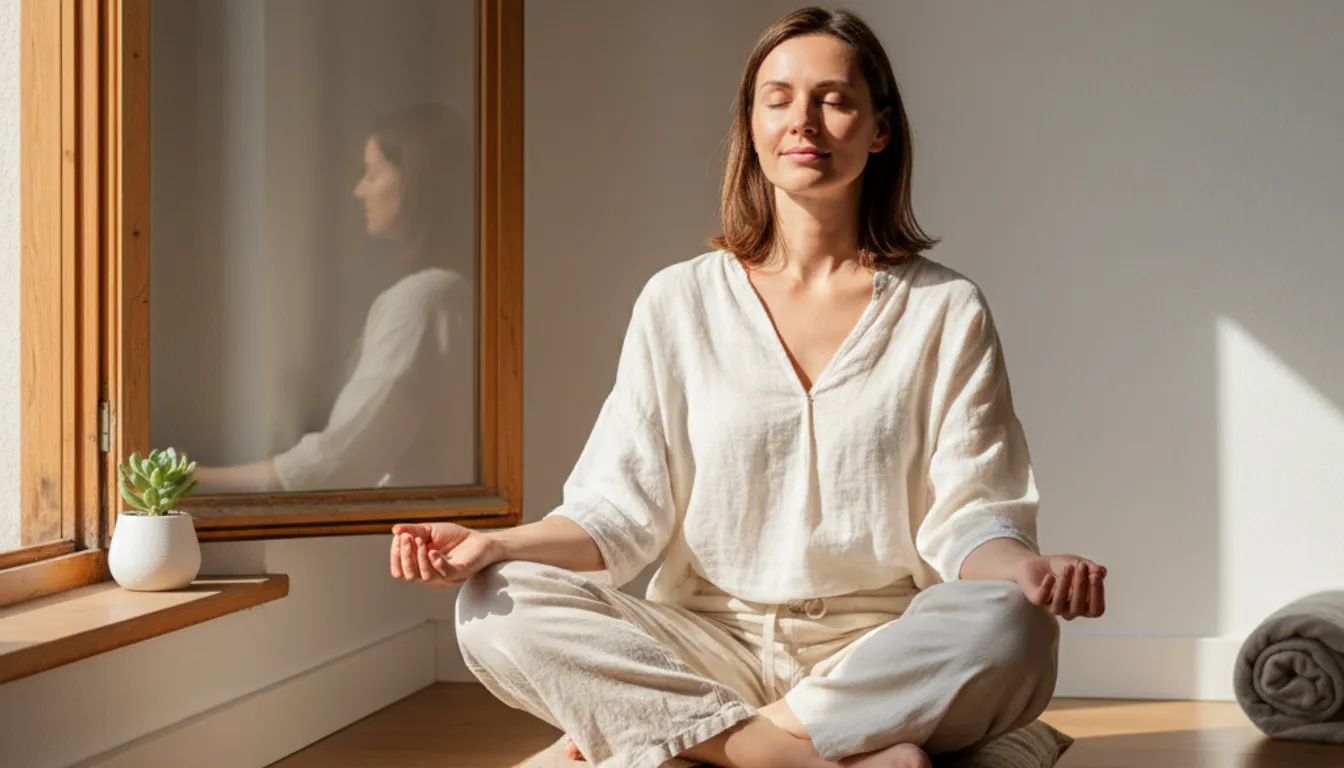
Table of Contents
- Why Mindfulness Meditation is a Total Game-Changer
- My 3-Step Guide to Mindfulness Meditation for Beginners
- Step 1: Find Your Space & Get Comfortable
- Step 2: Focus on Your Breath
- Step 3: Build Your Routine (And Stick With It!)
- My Meditation “Plot Twist”: You Don’t Have To Be Still
- Client Stories: Mindfulness in Action
- Mindfulness Meditation for Beginners FAQ
- Ready to Find Your Zen?
Why Mindfulness Meditation is a Total Game-Changer
Let’s get real for a sec. Life is chaotic. Between work, relationships, family, and the ever-present hum of the internet, our brains are constantly bombarded with information. This constant barrage leads to overwhelm, anxiety, and a general feeling of being… well, frazzled. Mindfulness meditation is like hitting the “pause” button on that chaos. It’s a way to step back, observe your thoughts and feelings without getting swept away by them, and cultivate a sense of calm amidst the storm.
I used to think meditation was about emptying my mind. (Spoiler alert: that’s not really possible.) The point isn’t to stop thinking. It’s about learning to observe your thoughts without judgment. It’s about creating a space between you and your thoughts, so you can choose how you respond to them, instead of being reactive. You’re going to want to screenshot this part: this skill, this ability to choose how you respond, is the secret weapon against anxiety and stress.
Think of your mind like a restless puppy. It’s going to wander. It’s going to get distracted. Your job isn’t to punish the puppy (your thoughts), but to gently guide it back to the present moment. Each time you do this, you strengthen your “mindfulness muscle,” making it easier to stay grounded and centered, even when life throws you a curveball. The benefits are pretty incredible:
- Reduced Stress and Anxiety: Mindfulness meditation helps lower cortisol levels (the stress hormone).
- Improved Focus and Concentration: Regular practice trains your brain to stay present.
- Enhanced Emotional Regulation: You become more aware of your feelings and less reactive to them.
- Better Sleep: Meditation can quiet a racing mind and promote relaxation, leading to deeper sleep.
- Increased Self-Awareness: You gain a deeper understanding of your thoughts, feelings, and behaviors.
I remember when I first started meditating, I thought it was a complete waste of time. I couldn’t sit still for more than 30 seconds. My mind was like a runaway train. But I kept at it, even when I felt like I was failing. And slowly, gradually, things began to shift. I started to notice that I was less reactive in stressful situations. I was better able to manage my anxiety. And I felt a general sense of calm that I hadn’t experienced in years. The secret? Consistency. And knowing where to start, which, if you’re here, you already did.
My 3-Step Guide to Mindfulness Meditation for Beginners
Ready to get started? This is the exact routine I followed (and still do!) to integrate mindfulness into my life. It’s simple, it’s effective, and it’s adaptable. You can do this anywhere, anytime. The most important thing is to make it a habit.
Step 1: Find Your Space & Get Comfortable
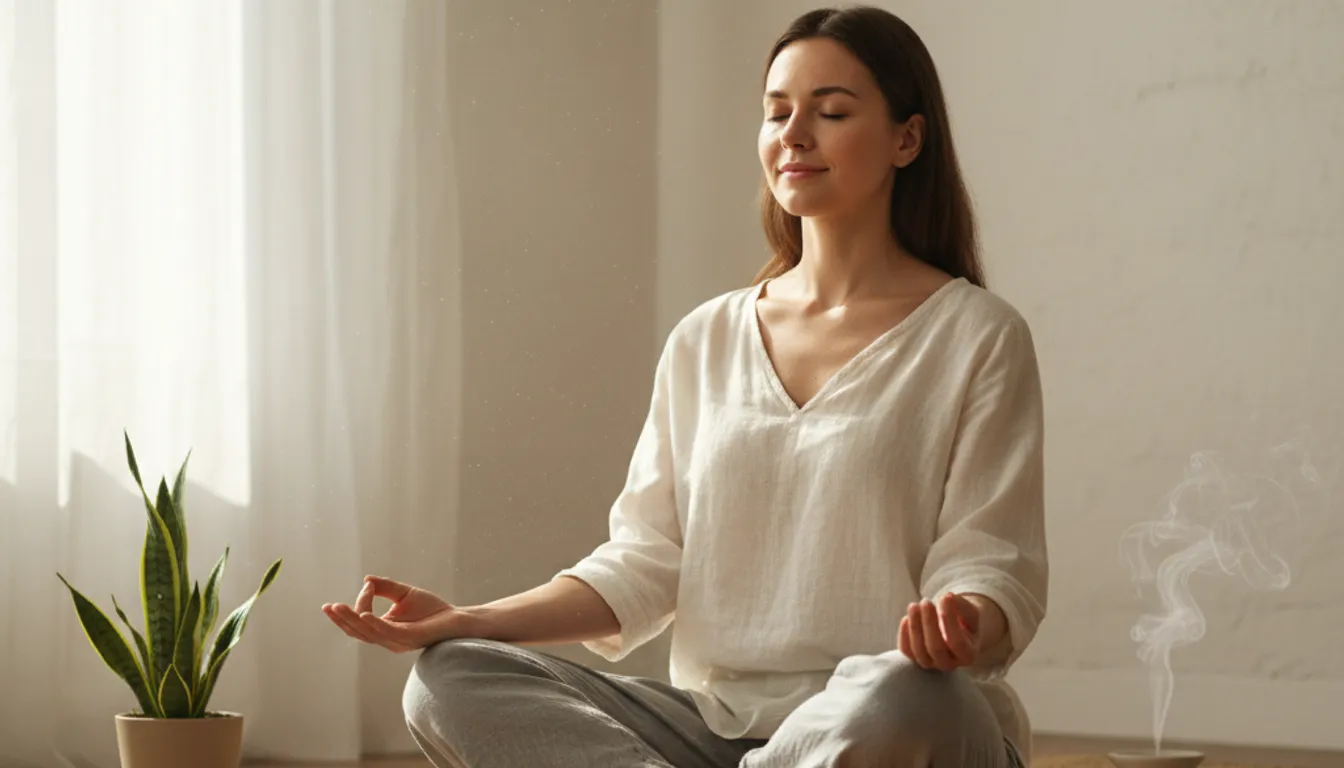
The first step is about creating a little oasis for yourself. It doesn’t need to be fancy or perfectly quiet. (Honestly, my first meditation sessions were in my closet to escape my noisy kids!) But creating a dedicated space, even if it’s just a corner of your living room, can help you signal to your brain that it’s time to chill out.

Here’s how I create my space:
- Choose a location: Find a quiet spot where you won’t be disturbed. This could be a chair, a cushion on the floor, or even your bed.
- Get comfy: Sit in a comfortable position. You can sit in a chair with your feet flat on the floor, cross-legged, or any position that feels good for you. The key is to be alert, but relaxed.
- Set the scene: Dim the lights, light a candle, or play some calming music (optional). I personally love a little instrumental music or nature sounds.
Remember, this is your time. Make it feel good. (And yes, you can meditate in your PJs. In fact, I highly recommend it.)
Step 2: Focus on Your Breath
This is the core of mindfulness meditation. Your breath is your anchor. It’s the thing that brings you back to the present moment when your mind inevitably wanders (and it will!).
Here’s how to do it:
- Close your eyes (or gently lower your gaze): This helps minimize distractions.
- Take a few deep breaths: Inhale slowly through your nose, filling your belly with air. Exhale slowly through your mouth.
- Focus on your breath: Notice the sensation of your breath as it enters and leaves your body. Pay attention to the rise and fall of your belly, or the feeling of the air moving through your nostrils.
- When your mind wanders, gently bring your attention back: Your mind *will* wander. That’s totally normal. When you notice your thoughts drifting, simply acknowledge them without judgment and gently redirect your focus back to your breath. No self-criticism allowed!
This step is where most people get tripped up. But remember: your mind is going to wander. That’s not a failure. It’s an opportunity to practice bringing your attention back to the present moment. It is how you teach your brain new habits. I used to get so frustrated when my mind wouldn’t stop chattering, but eventually, I learned to just observe the thoughts and then let them go.
Pro Tip: If you find it hard to focus, try counting your breaths. Inhale for a count of four, hold for a count of one, exhale for a count of six. (You can adjust the counts to whatever feels comfortable.)
Step 3: Build Your Routine (And Stick With It!)
Consistency is key when it comes to mindfulness meditation. The more you practice, the easier it becomes, and the more benefits you’ll experience. Don’t worry about meditating for hours at a time. Even 5-10 minutes a day can make a huge difference.
Here’s how to build a routine that sticks:
- Start small: Begin with 5-10 minutes a day. You can gradually increase the duration as you become more comfortable.
- Choose a time that works for you: Some people prefer to meditate in the morning, while others find it helpful in the evening. Experiment to find the best time for your schedule and lifestyle. Personally, I love meditating right after I wake up My Morning Routine Makeover: 5 Rituals That Changed Everything.
- Make it a habit: Schedule your meditation sessions just like you would any other important appointment. Set a reminder on your phone or put it in your calendar.
- Be patient: Don’t expect to become a Zen master overnight. It takes time and practice to develop a mindfulness practice. Be kind to yourself, and celebrate your progress.
I recommend meditating every day, but if you miss a day, don’t beat yourself up. Just get back on track the next day. The point is not perfection, but consistency. And remember: every meditation session, no matter how short, is a win.
My Meditation “Plot Twist”: You Don’t Have To Be Still
Here’s a confession: I’m not the best at sitting still. My mind and body are naturally wired to move. (Hello, fellow Type As!) For years, I avoided meditation because I thought I had to sit perfectly still, eyes closed, in a quiet room. I figured I was just “bad” at it. Then I learned the “plot twist”: you don’t *have* to be still to practice mindfulness.
I started incorporating mindful movement into my life. Things like mindful walking (paying attention to the sensation of your feet on the ground), mindful eating (savoring each bite of food), and even mindful dishwashing (noticing the warmth of the water and the feel of the soap). These practices are just as valuable as sitting meditation, especially if you’re like me and find it hard to sit still. This is especially true if you are new to this practice – it will help with developing patience with yourself, as well as a deeper awareness.
This “plot twist” made a huge difference. Suddenly, I could practice mindfulness everywhere, all the time. I started to notice the little things – the way the sunlight filtered through the trees, the smell of coffee brewing, the sound of my children laughing. This shift in perspective completely changed my experience of meditation. It wasn’t about shutting out the world. It was about opening up to it.
This new approach is why I love combining mindfulness with yoga. Yoga helps train your mind and body to be present. You can find free beginner yoga routines on YouTube Workout at Home: The Best YouTube Channels for Free, Effective Routines to start! Or, try some very basic breathing exercises such as “box breathing” which can have an incredibly calming effect.
Client Stories: Mindfulness in Action
I know it’s one thing to read about mindfulness and another to see it in action. Here are a few stories from clients who’ve experienced the transformative power of mindfulness:
Sarah, a 32-year-old marketing executive, struggled with chronic anxiety. She would constantly worry about work deadlines, her relationships, and everything in between. After starting mindfulness meditation, she noticed a significant decrease in her anxiety levels. She started to catch her anxious thoughts before they spiraled out of control. She learned to pause, breathe, and respond rather than react. As a bonus, she got a promotion at work, because she was able to think more clearly!
David, a 45-year-old software engineer, was feeling burned out and disconnected. He found that mindfulness helped him reconnect with himself and the present moment. He started practicing mindful walking during his lunch breaks, noticing the sights, sounds, and smells around him. This helped him to de-stress and return to work feeling refreshed and focused. He told me it completely changed his energy level, which then improved his relationships with his family.
Maria, a 60-year-old retiree, was dealing with feelings of loneliness and isolation. She started attending a guided meditation group and found a sense of community and support. Meditation helped her feel more connected to herself and others. She found that the meditation practice helped her be present for her grandchildren, and connect with other adults in the community. It’s never too late to start!
These are just a few examples of how mindfulness meditation for beginners can make a real difference in people’s lives. It’s not a magic bullet, but it *is* a powerful tool that can help you navigate the challenges of life with more ease, resilience, and joy.
Mindfulness Meditation for Beginners FAQ
Still have questions? Here are answers to some of the most common questions about mindfulness meditation.
1. What are the benefits of mindfulness meditation?
Mindfulness meditation can reduce stress and anxiety, improve focus, boost emotional regulation, and enhance overall well-being. It can also help improve sleep, cultivate compassion, and increase self-awareness.
2. How long should I meditate each day?
Beginners can start with as little as 5-10 minutes a day and gradually increase the duration as they become more comfortable. Even a few minutes of daily meditation can make a difference.
3. What is the best time of day to meditate?
There is no “best” time. Choose a time that fits your schedule and allows you to meditate without interruption. Many people find mornings or evenings to be ideal, but experiment to find what works best for you.
4. What if my mind wanders during meditation?
It’s normal for your mind to wander. Gently guide your attention back to your breath or chosen focus without judgment. View it as a chance to practice bringing your focus back to the present moment.
5. What is the difference between mindfulness and meditation?
Mindfulness is the practice of paying attention to the present moment, while meditation is a tool that can be used to cultivate mindfulness. Meditation is a specific technique that helps you practice mindfulness.
6. Do I need any special equipment to meditate?
No special equipment is needed. You can meditate anywhere. A quiet space, a comfortable seat, and a few minutes of your time are all that’s required.
7. I have tried meditating before, and I can’t “turn off” my thoughts. Is this normal?
Yes, this is completely normal! It’s impossible to turn off your thoughts completely. The goal of mindfulness meditation is not to stop thinking, but rather to observe your thoughts without judgment. The practice is about developing awareness and learning to redirect your attention back to the present moment whenever your mind wanders.
Ready to Find Your Zen?
I know taking the first step can feel intimidating. But I promise, the rewards are worth it. Mindfulness meditation for beginners is a gift you can give yourself, one that keeps on giving. It’s a way to cultivate inner peace, manage stress, and live a more present, fulfilling life. So, take a deep breath. Find a quiet spot. And give it a try. You might just surprise yourself.
If you need some inspiration, check out Lost & Lonely? 5 Virtual Support Groups That Saved My Soul for online groups that can help you with your mental health journey. And remember, you’ve got this!
/* Smart Typography & Layout */
h2 { margin-top: 1.5em; margin-bottom: 0.5em; font-size: 1.8em; color: #2c3e50; border-bottom: 2px solid #ecf0f1; padding-bottom: 10px; }
h3 { margin-top: 1.2em; margin-bottom: 0.5em; font-size: 1.4em; color: #34495e; }
p { line-height: 1.8; margin-bottom: 1.2em; color: #444; font-size: 1.1em; }
/* Key Takeaways Box */
.key-takeaways, blockquote.key-takeaways {
background: #f0f9ff;
border-left: 5px solid #3498db;
padding: 20px;
margin: 20px 0;
border-radius: 5px;
font-style: italic;
}
.key-takeaways strong { color: #2980b9; }
/* Pro Tip Box */
.pro-tip {
background: #e8f8f5;
border-left: 5px solid #2ecc71;
padding: 15px;
margin: 20px 0;
border-radius: 5px;
}
.pro-tip:before { content: ‘💡 Pro Tip:’; font-weight: bold; display: block; margin-bottom: 5px; color: #27ae60; }
/* Warning Box */
.warning {
background: #fdedec;
border-left: 5px solid #e74c3c;
padding: 15px;
margin: 20px 0;
border-radius: 5px;
}
.warning:before { content: ‘⚠️ Warning:’; font-weight: bold; display: block; margin-bottom: 5px; color: #c0392b; }
/* Smart Checklist */
.smart-checklist { list-style: none; padding: 0; }
.smart-checklist li { padding-left: 30px; position: relative; margin-bottom: 10px; }
.smart-checklist li:before { content: ‘✅’; position: absolute; left: 0; top: 0; }
/* Smart Cards */
.smart-card-grid { display: grid; grid-template-columns: repeat(auto-fill, minmax(250px, 1fr)); gap: 20px; margin: 20px 0; }
.smart-card { background: #fff; border: 1px solid #ddd; border-radius: 8px; padding: 20px; box-shadow: 0 2px 5px rgba(0,0,0,0.05); transition: transform 0.2s; }
.smart-card:hover { transform: translateY(-5px); box-shadow: 0 5px 15px rgba(0,0,0,0.1); }
.smart-card strong { display: block; margin-bottom: 10px; color: #2c3e50; font-size: 1.1em; }
/* Tables (scoped) */
.gen-table-wrap { width: 100%; overflow-x: auto; }
.gen-table {
width: 100%;
border-collapse: collapse;
margin: 25px 0;
font-size: 0.95em;
box-shadow: 0 0 20px rgba(0, 0, 0, 0.05);
border-radius: 8px 8px 0 0;
overflow: hidden;
}
/* Force header style on first row even if no thead */
.gen-table thead tr, .gen-table tr:first-child {
background-color: #009879 !important;
color: #ffffff !important;
text-align: left;
font-weight: bold;
}
/* Ensure first row cells are bold and white */
.gen-table thead th, .gen-table tr:first-child td, .gen-table tr:first-child th {
color: #ffffff !important;
background-color: #009879 !important;
font-weight: bold;
}
.gen-table th, .gen-table td { padding: 12px 15px; border: 1px solid #dddddd; }
.gen-table tbody tr { border-bottom: 1px solid #dddddd; }
/* Zebra striping for all rows except first if no tbody */
.gen-table tbody tr:nth-of-type(even), .gen-table tr:nth-child(even) { background-color: #f3f3f3; }
.gen-table tbody tr:last-of-type { border-bottom: 2px solid #009879; }
.gen-table tr:hover { background-color: #f1f1f1; color: #009879; cursor: default; }
{
“@context”: “https://schema.org”,
“@type”: “FAQPage”,
“mainEntity”: [{“@type”:”Question”,”name”:”How long should I meditate each day?”,”acceptedAnswer”:{“@type”:”Answer”,”text”:”Beginners can start with as little as 5-10 minutes a day and gradually increase the duration as they become more comfortable.”}},{“@type”:”Question”,”name”:”What is the best time of day to meditate?”,”acceptedAnswer”:{“@type”:”Answer”,”text”:”There is no ‘best’ time. Choose a time that fits your schedule and allows you to meditate without interruption, such as mornings or evenings.”}},{“@type”:”Question”,”name”:”What if my mind wanders during meditation?”,”acceptedAnswer”:{“@type”:”Answer”,”text”:”It’s normal for your mind to wander. Gently guide your attention back to your breath or chosen focus without judgment.”}},{“@type”:”Question”,”name”:”What is the difference between mindfulness and meditation?”,”acceptedAnswer”:{“@type”:”Answer”,”text”:”Mindfulness is the practice of paying attention to the present moment, while meditation is a tool that can be used to cultivate mindfulness.”}},{“@type”:”Question”,”name”:”Do I need any special equipment to meditate?”,”acceptedAnswer”:{“@type”:”Answer”,”text”:”No special equipment is needed. You can meditate anywhere. A quiet space, a comfortable seat, and a few minutes of your time are all that’s required.”}},{“@type”:”Question”,”name”:”What are the benefits of mindfulness meditation?”,”acceptedAnswer”:{“@type”:”Answer”,”text”:”Mindfulness meditation can reduce stress and anxiety, improve focus, boost emotional regulation, and enhance overall well-being.”}}]
}