Key Takeaways & Executive Summary:
- The Cutaneous Ecosystem: Over one trillion microorganisms?comprising bacteria, fungi, and viruses?coexist on healthy human skin to regulate immune responses.
- Dysbiosis and Dermatitis: Depletion of protective strains like Staphylococcus epidermidis permits overgrowth of virulent Cutibacterium acnes and Staphylococcus aureus.
- Prebiotics, Probiotics & Postbiotics: Prebiotics nourish beneficial flora, probiotics introduce helpful strains, and postbiotics deliver active bacterial fermentation byproducts.
- Preserving Diversity: Ditching antimicrobial scrubs and harsh astringents is the foundational step toward restoring balanced microbial biodiversity.

The Invisible Shield: Our Microbial Symbionts
For decades, conventional skincare adhered to an aggressive sanitization model: scrub until sterile, strip away all surface sebum, and eliminate every trace of bacteria. Dermatological science now recognizes this approach as fundamentally counterproductive. The surface of our skin is not an inert canvas, but a vibrant living ecosystem populated by over 1,000 distinct microbial species.
When this microflora thrives in equilibrium, it metabolizes sebum into beneficial free fatty acids, maintains the mildly acidic pH of the acid mantle, and secretes antimicrobial peptides (AMPs) that actively repel pathogens. Stripping this delicate community triggers dysbiosis?the root driver behind adult acne flares, eczema, and cutaneous hypersensitivity.
Deciphering the ‘Biotics’: Pre-, Pro-, and Postbiotics
Understanding how cosmetic formulations interact with the microbiome requires distinguishing between three vital classes of ingredients:
- Prebiotics: Non-digestible plant oligosaccharides (such as inulin, alpha-glucan oligosaccharide, and oat beta-glucan) that selectively feed symbiotic bacteria without nourishing pathogens.
- Probiotics: Live beneficial bacterial cultures. Due to regulatory and preservation hurdles in water-based cosmetics, live probiotics are rare; most products utilize non-viable cell lysates.
- Postbiotics: Bioactive metabolic byproducts released during microbial fermentation, including lactic acid, peptides, and short-chain fatty acids (SCFAs). These deliver immediate barrier-strengthening and anti-inflammatory benefits.
A Low-Intervention Routine for Microbial Restoration
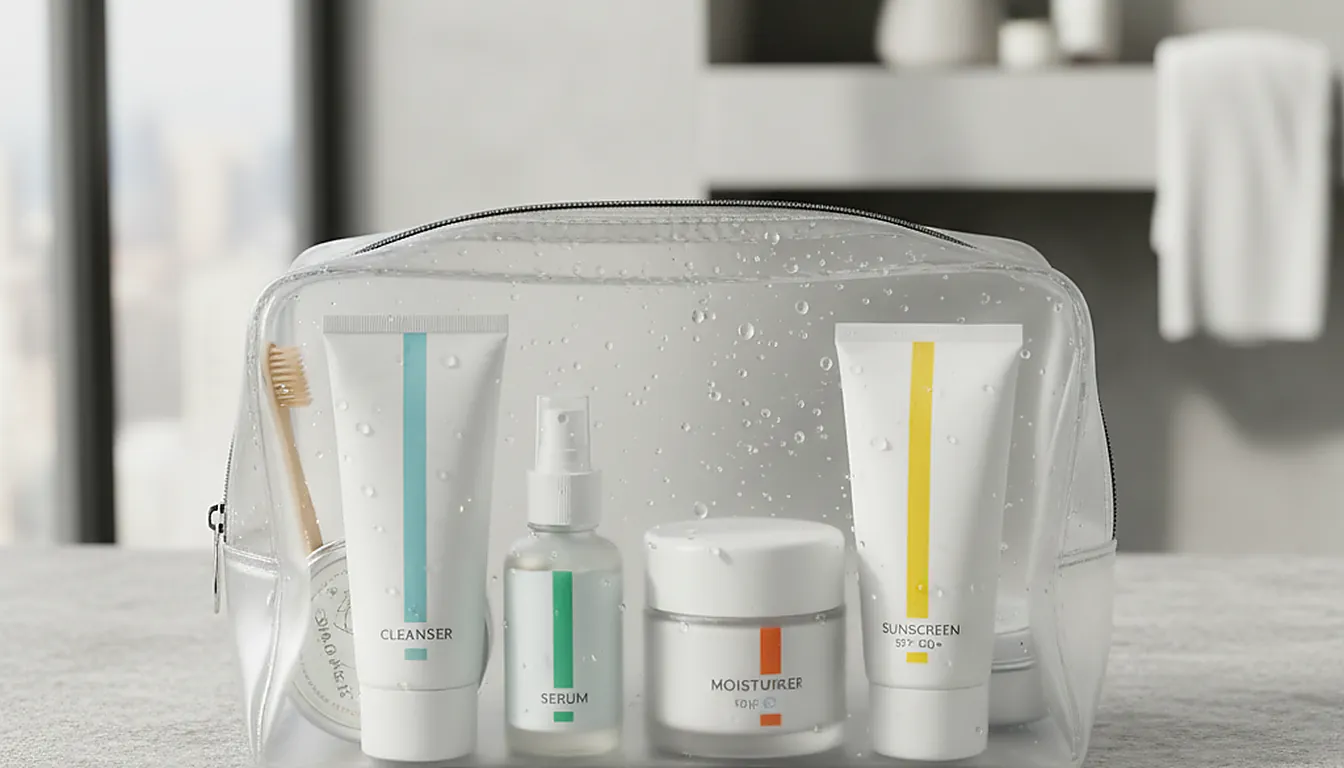
If your skin feels perpetually tight, reactive, or inflamed, strip your routine down to basic essentials. Swap high-foaming cleansers for micellar milks with a pH around 5.0. Look for serums enriched with bifida ferment lysate, lactobacillus ferment, or colloidal oat flour, which soothe cutaneous mast cells and accelerate wound healing.
Clinical Pro-Tip:
Avoid over-cleansing in the morning. If you cleansed thoroughly before bed, a simple rinse with lukewarm water in the morning preserves the beneficial lipid-protective bacterial enzymes your skin cultivated overnight.
The Bottom Line on Cutaneous Ecology
Healthy skin is not sterile skin; it is a thriving, biodiverse habitat. By treating your skin’s resident microflora with gentle, nutrient-rich formulations rather than harsh combatants, you foster long-term clarity, calm, and biological resilience.