Retinol. The word alone can conjure images of dramatic skin transformations – smoother texture, fewer wrinkles, and that coveted youthful glow. But for many beginners, it also brings a whisper of fear: irritation, redness, peeling. What if I told you that achieving radiant skin with retinol doesn’t have to involve a painful adjustment period? As an expert content writer, I’m here to share my secret to unlocking retinol’s power for beginners, ensuring you get all the glow without the dreaded irritation.
This isn’t about rushing into the strongest formula or slathering it on every night. It’s about a strategic, gentle approach that respects your skin barrier and builds tolerance over time. Get ready to transform your complexion with confidence.
What is Retinol and Why the Hype?
Before we dive into application, let’s quickly understand what retinol is and why it’s considered a gold standard in skincare. Retinol is a derivative of Vitamin A, a powerful antioxidant that works by accelerating skin cell turnover. This means it encourages your skin to shed old, dull cells faster and bring fresh, new ones to the surface. It also stimulates collagen production, the protein responsible for skin’s firmness and elasticity.
The benefits are extensive and scientifically proven:
- Reduces fine lines and wrinkles: By boosting collagen, retinol helps plump the skin and smooth out existing lines.
- Improves skin texture: Faster cell turnover leads to a smoother, more refined skin surface.
- Evens skin tone: It can help fade hyperpigmentation, dark spots, and post-acne marks.
- Minimizes breakouts: By unclogging pores and regulating oil production, retinol can be highly effective against acne.
- Boosts radiance: The fresh new cells on the surface reflect light better, giving you that coveted “glow.”
Understanding these benefits helps us appreciate why it’s worth incorporating into your routine, especially when done correctly.
Getting Started: Choosing Your First Retinol
The first step to a successful retinol journey is selecting the right product. This is where many beginners go wrong, opting for concentrations that are too high, too soon. Remember, slow and steady wins the race when it comes to retinol.
Understanding Concentrations
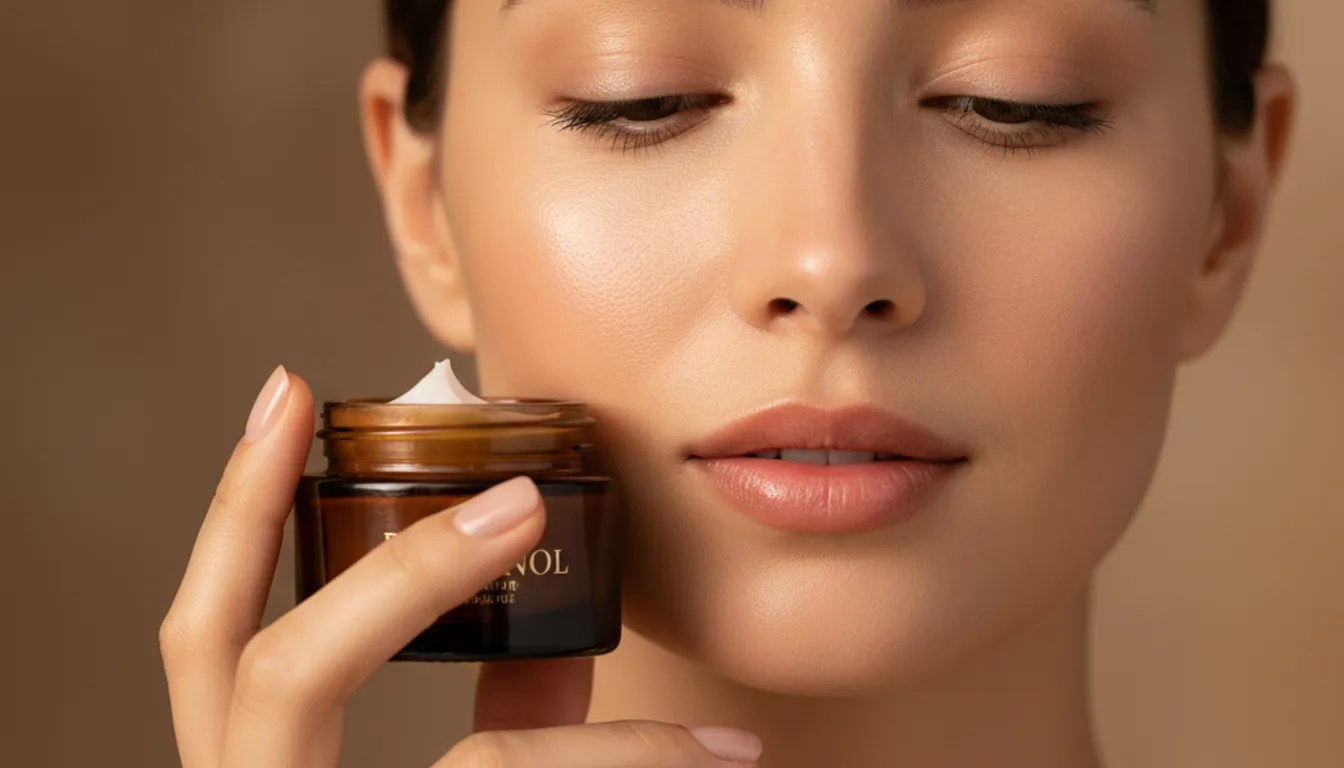
For beginners, low concentration is key. Look for products in the range of 0.01% to 0.03%. Some brands might list it as “retinol ester” or “granactive retinoid,” which are often gentler forms. Don’t be tempted by higher percentages initially; even a small amount can be incredibly effective when used consistently over time.
- 0.01% – 0.03%: Ideal starting point for most skin types, especially sensitive skin.
- 0.04% – 0.1%: Can be considered after your skin has comfortably tolerated lower concentrations for several months.
Think of it like training for a marathon – you wouldn’t start with a full marathon, you’d begin with shorter runs and gradually increase your distance.
Key Ingredients to Look For
Beyond the retinol itself, the formulation matters immensely. To combat potential dryness and irritation, seek out products that include hydrating and soothing ingredients:
- Hyaluronic Acid: A powerful humectant that draws moisture into the skin, keeping it plump and hydrated.
- Ceramides: Essential lipids that help strengthen the skin barrier, reducing moisture loss and protecting against irritants.
- Niacinamide (Vitamin B3): Known for its anti-inflammatory properties, it can help calm redness and improve skin barrier function.
- Glycerin: Another excellent humectant that provides hydration.
- Squalane or other nourishing oils: Can provide an extra layer of moisture and comfort.
Examples of beginner-friendly formulations often come from brands like CeraVe, La Roche-Posay, Olay, or Neutrogena, which frequently combine retinol with these barrier-supporting ingredients.
Formulations Matter: Creams vs. Serums
Retinol comes in various forms, and for beginners, some are more forgiving than others:
- Creams: Often richer and more moisturizing, making them an excellent choice for dry or sensitive skin types. The emollient base helps buffer the retinol.
- Serums: Typically lighter and more concentrated. While effective, beginners might find a cream formulation more comfortable initially.
- Oils: Can be very nourishing and are a good option for dry skin, often delivering retinol in a gentler, slower-release manner.
If you have oily skin, a lighter cream or a serum might be suitable, but always prioritize hydration in the formula.
The Beginner’s Guide to Application: Your Irritation-Free Routine
You’ve chosen your first retinol – congratulations! Now, let’s talk about how to incorporate it into your routine without causing a fuss on your skin.
Start Slowly: The “Retinol Sandwich” Method
This is arguably the most important tip for beginners. The “retinol sandwich” method involves applying a layer of moisturizer *before* and *after* your retinol. This creates a buffer, reducing the direct contact of retinol with your skin and minimizing irritation, while still allowing the retinol to work its magic.
- Cleanse: Wash your face with a gentle, hydrating cleanser and pat dry.
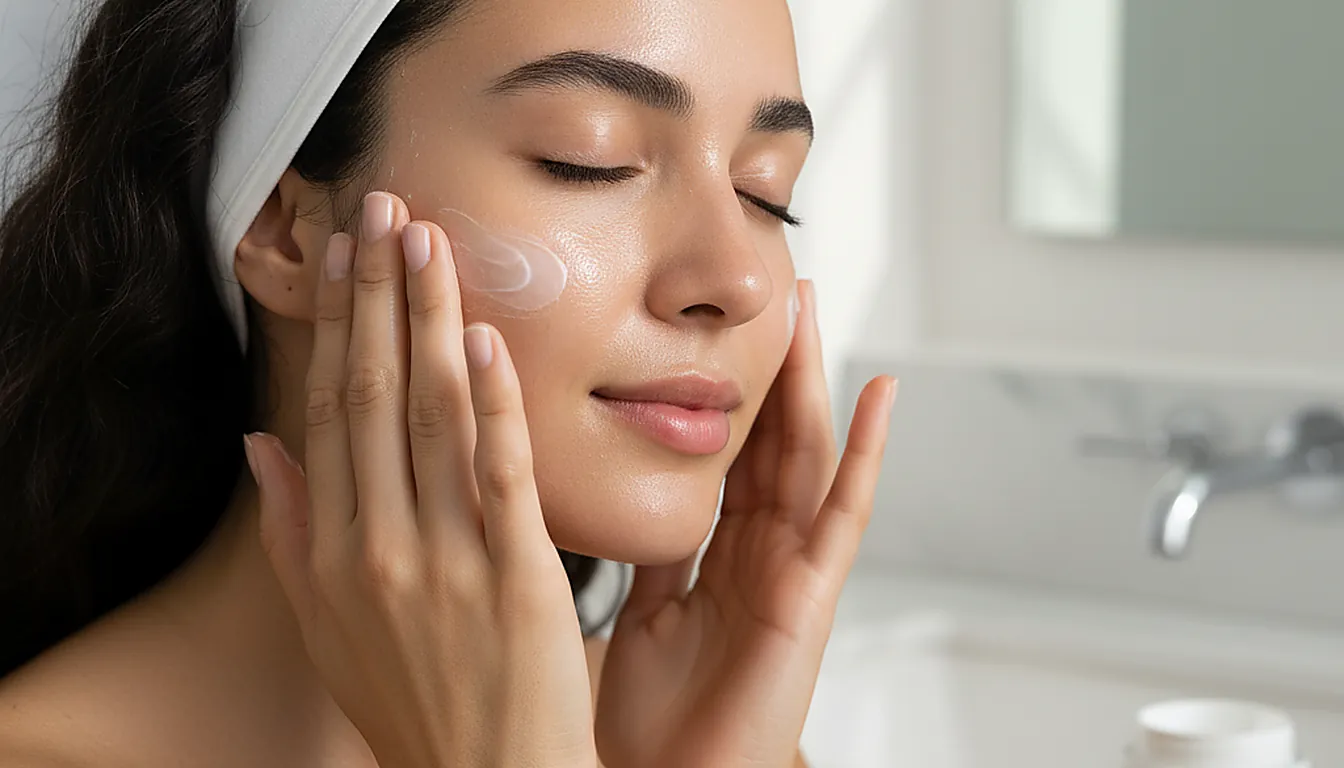
- First Layer of Moisturizer: Apply a pea-sized amount of your favorite hydrating moisturizer to your entire face. Let it absorb for a few minutes.
- Retinol Application: Take a tiny, pea-sized amount of your retinol product. Dot it on your forehead, cheeks, chin, and nose, then gently spread it evenly over your entire face, avoiding the eye area and corners of the mouth (these areas are more sensitive).
- Second Layer of Moisturizer: Once the retinol has absorbed (a minute or two), apply another layer of your hydrating moisturizer.
This method is a game-changer for sensitive skin and ensures a much smoother introduction to retinol.
Frequency and Progression
Patience is paramount. Do not use retinol every night from the get-go. This is a recipe for irritation.
- Weeks 1-2: Use once a week, at night.
- Weeks 3-4: If your skin tolerates it well (no redness, excessive dryness, or peeling), increase to twice a week, on non-consecutive nights (e.g., Monday and Thursday).
- Months 2-3: If still tolerating well, you can try three times a week.
Listen to your skin. If you experience any significant irritation, scale back. It’s better to use it consistently twice a week without irritation than to push for every night and end up with a compromised skin barrier.
When to Apply and What to Pair With
- Nighttime Only: Retinol can make your skin more sensitive to the sun, and some forms degrade in UV light. Always apply retinol in your evening routine.
- Don’t Forget SPF! This is non-negotiable. Retinol increases photosensitivity, making your skin more vulnerable to sun damage. Apply a broad-spectrum sunscreen with at least SPF 30 every single morning, rain or shine.
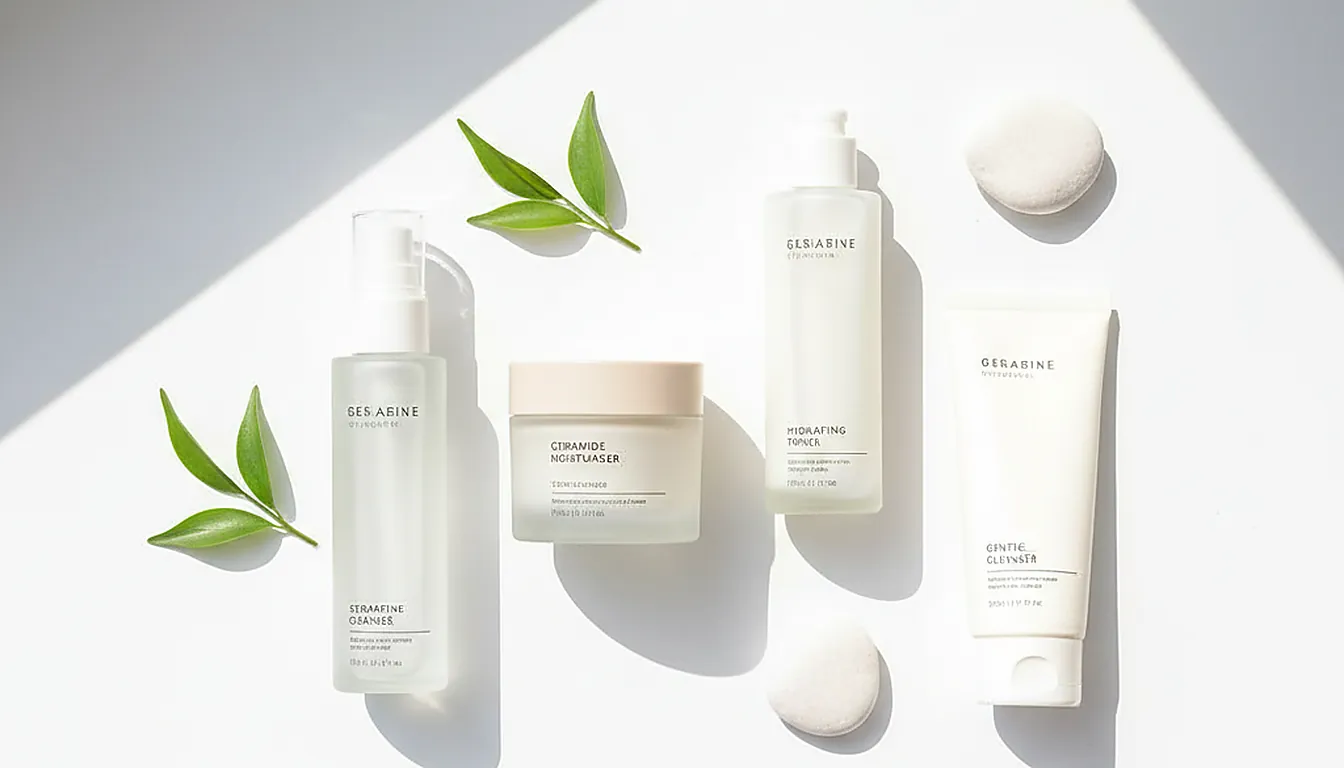
- Pair with Hydrators: On nights you use retinol, focus on gentle, hydrating cleansers, toners, and moisturizers. Ingredients like hyaluronic acid, ceramides, and glycerin are your best friends.
- What to Avoid (Initially): When starting retinol, temporarily discontinue other potent actives like AHAs (glycolic acid, lactic acid), BHAs (salicylic acid), and strong Vitamin C serums on the same night. Over-exfoliation can lead to severe irritation. Once your skin is fully acclimated to retinol (after several months), you might be able to alternate them on different nights, but always proceed with caution.
Common Pitfalls and How to Avoid Them
Even with the best intentions, beginners can make mistakes. Here’s how to steer clear of common retinol blunders:
- Using Too Much Product: A pea-sized amount is truly all you need for your entire face. More is not better; it just increases the risk of irritation.
- Applying to Damp Skin: Applying retinol to damp skin can increase its penetration and potentially lead to more irritation. Always apply to dry skin.
- Not Using SPF: We can’t stress this enough. Skipping SPF while using retinol negates its benefits and puts your skin at risk of sun damage.
- Ignoring Your Skin’s Signals: Mild dryness or flaking is common, but persistent redness, burning, or stinging means you need to scale back your usage or concentration.
- Giving Up Too Soon: Retinol takes time to show results. Expect to see noticeable improvements after 3-6 months of consistent use. Don’t get discouraged if you don’t see changes overnight.
Beyond the Basics: What to Expect and When to Progress
What to Expect During the “Retinization” Period
The first few weeks of using retinol are often called the “retinization” period. During this time, your skin is adjusting. You might experience:
- Mild Dryness or Flaking: This is normal as your skin cells turn over faster. Keep hydrating!
- Slight Redness: Especially after initial applications.
- Purging: For some, particularly those prone to acne, you might experience a temporary increase in breakouts. This is a sign that retinol is working to bring impurities to the surface. It typically lasts 2-6 weeks.
Differentiate between normal adjustment and true irritation. If symptoms are severe, painful, or persistent, take a break and re-evaluate.
When to Increase Concentration
Once your skin has comfortably tolerated your current low-concentration retinol for at least 3-6 months without any signs of irritation, you can consider slowly increasing the concentration. Again, take it one step at a time (e.g., from 0.02% to 0.05%), and re-introduce it slowly as if you were starting over.
When to See a Dermatologist
If you have persistent skin concerns, severe acne, or if over-the-counter retinols aren’t providing the results you desire, consult a dermatologist. They can prescribe stronger retinoids (like Tretinoin) and provide personalized guidance tailored to your specific skin needs.
Conclusion: Embrace the Glow, Ditch the Irritation
Retinol is a powerhouse ingredient, but its magic lies in consistent, mindful application, especially for beginners. By starting with a low concentration, embracing the “sandwich method,” prioritizing hydration, and committing to daily SPF, you can unlock the incredible benefits of retinol – smoother skin, fewer wrinkles, and a radiant glow – without the dreaded irritation.
Patience and consistency are your best tools on this journey. Listen to your skin, celebrate small victories, and get ready to reveal your most luminous complexion yet. Your secret to glowing skin, without the irritation, starts now.