Key Takeaways & Performance Summary:
- Deep Intrinsic Stabilization: Both mat and reformer modalities target the local core subsystem: transversus abdominis, multifidus, diaphragm, and pelvic floor.
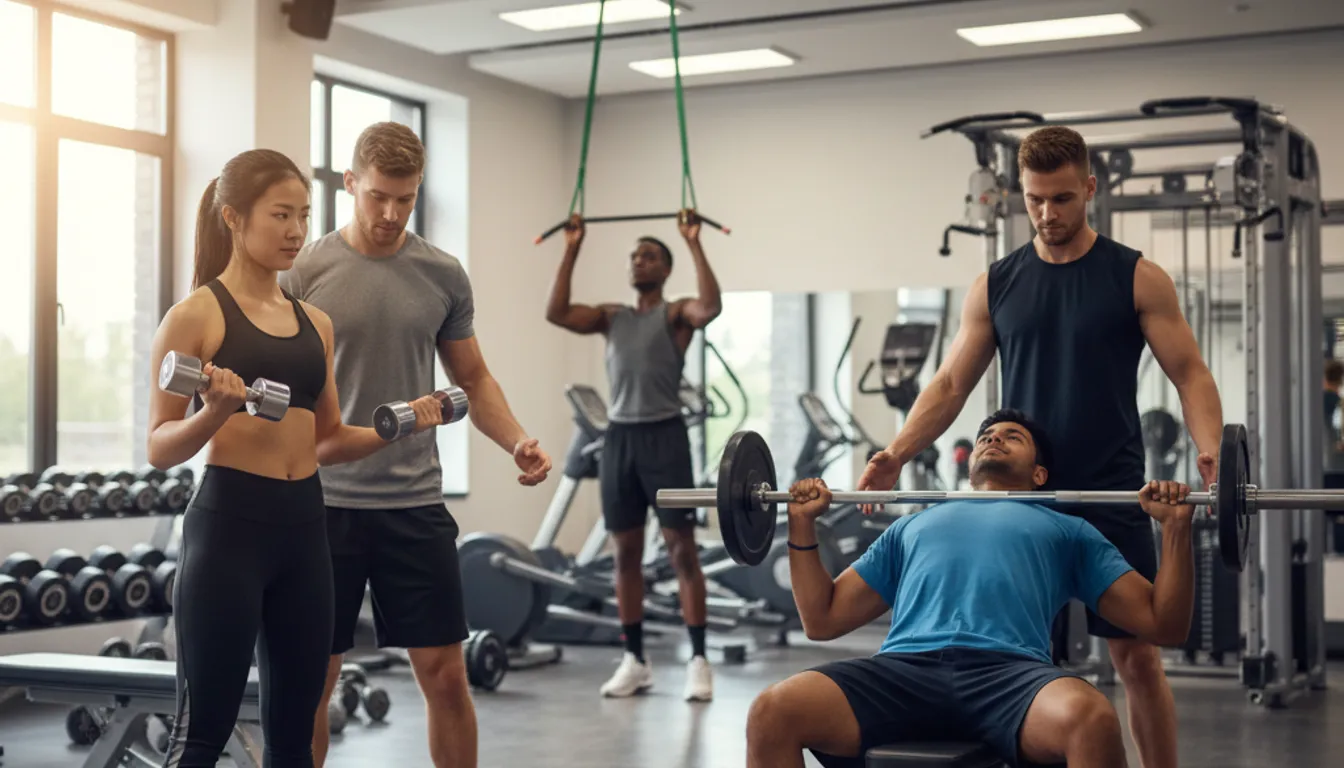
- Variable Spring Mechanics: The reformer’s calibrated spring carriage allows both accommodating resistance and joint unloading, perfect for rehabilitation.
- Closed Kinetic Chain Precision: Reformer footbar exercises provide immediate proprioceptive feedback that corrects structural asymmetry.
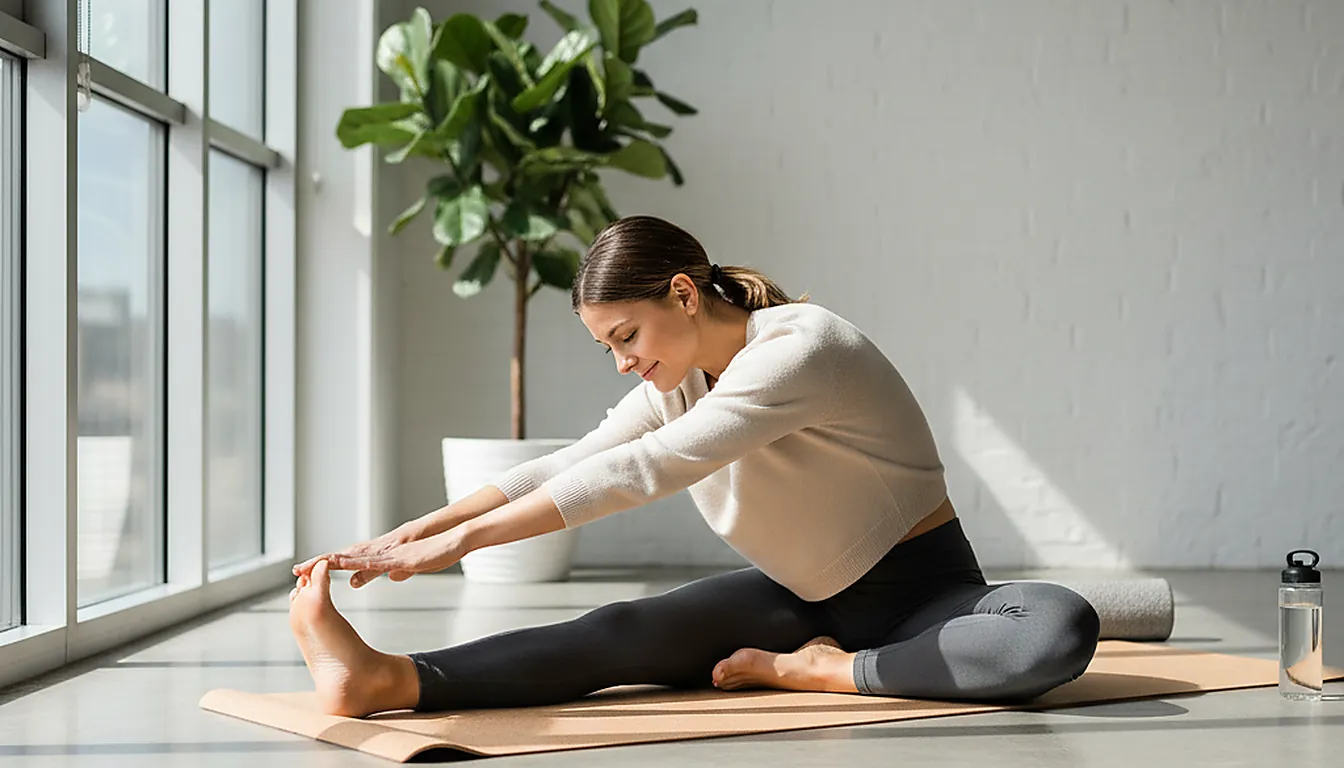
- Mat Work Mastery: Traditional mat Pilates demands complete unassisted control of bodyweight against gravity, serving as the ultimate test of intrinsic core strength.
The Forgotten Inner Core Cylinder
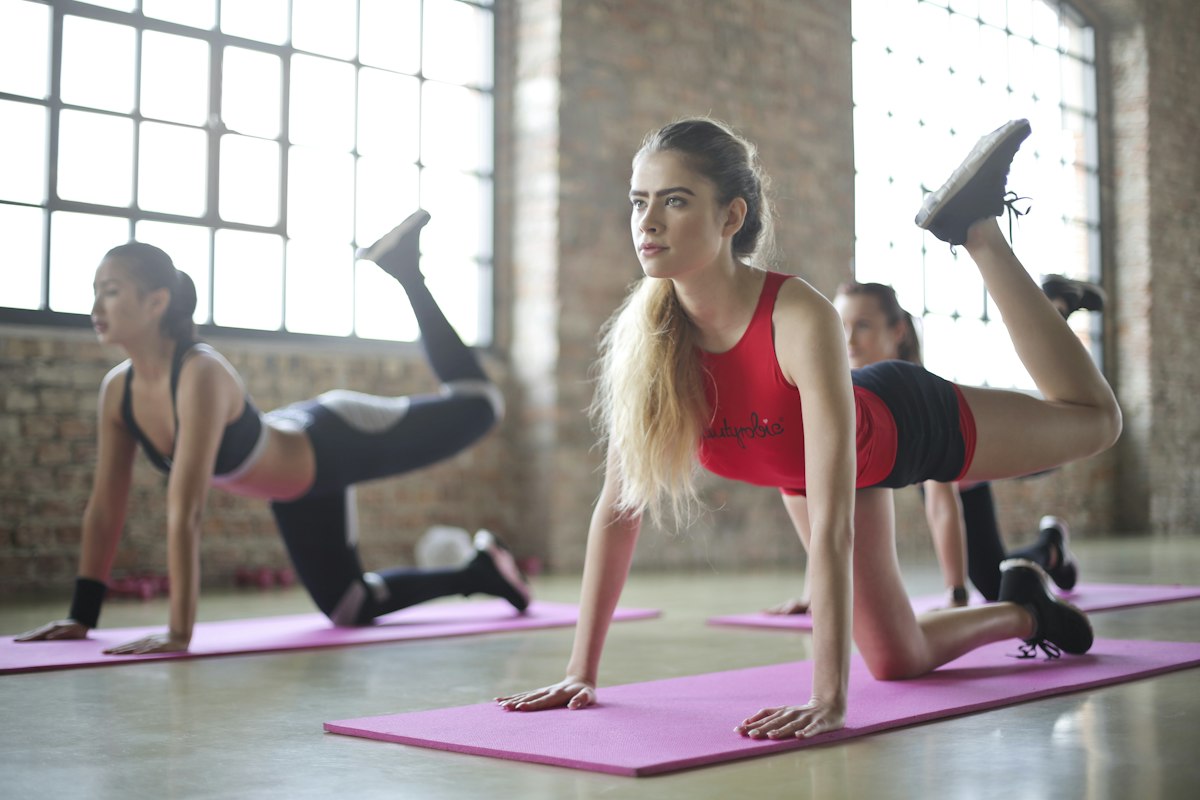
Contemporary fitness often fixates on visible superficial muscles?the rectus abdominis ‘six-pack’ and external obliques. Yet these global prime movers generate torque rather than segmental spinal stability. Chronic lower back discomfort, sacroiliac joint dysfunction, and poor postural stamina frequently stem from an inactive deep intrinsic core.
This deep stabilizing cylinder is anchored superiorly by the respiratory diaphragm, inferiorly by the pelvic floor muscular hammock, circumferentially by the transversus abdominis, and posteriorly by the segmental multifidus. Joseph Pilates originally created Contrology to re-educate these dormant stabilizers through breath-coordinated biomechanical precision.
Reformer Springs vs Gravity Mat: A Clinical Comparison
While both modalities share identical movement fundamentals, their mechanical applications differ substantially:
| Attribute | Pilates Reformer | Classical Mat Work |
|---|---|---|
| Resistance Profile | Linear spring tension (peaks at elongation) | Constant gravitational vector (9.8 m/s?) |
| Rehabilitation Utility | High; springs can support bodyweight | Moderate; demands full unassisted lever control |
| Eccentric Loading | Superior control on carriage return | Challenging; relies solely on internal braking |
| Accessibility | Requires specialized studio equipment | Ubiquitous; requires only floor space |
Pelvic Floor Coordination and Intra-Abdominal Pressure
A critical failure in conventional abdominal training is breath-holding (Valsalva maneuver), which drives downward visceral pressure onto the pelvic floor, exacerbating prolapse or diastasis recti. Pilates enforces diaphragmatic lateral-costal breathing. As you exhale through pursed lips, the diaphragm elevates, naturally drawing the pelvic floor upward and drawing the transversus abdominis inward like a corset.
Performance Pro-Tip:
When performing reformer footwork or mat-based hundreds, focus on expanding your lower ribcage laterally into your mat during inhalation rather than belly-breathing. This preserves gentle baseline tension across the lower abdominals throughout the movement arc.
The Bottom Line on Postural Mastery
Whether utilizing the engineered precision of reformer springs or the minimalist rigor of the mat, mindful Pilates practice transforms posture, relieves chronic back tension, and restores effortless functional movement to everyday life.