I get it. The weight-loss journey can often feel like a frustrating rollercoaster – one minute you’re feeling motivated and on track, the next you’re reaching for comfort foods, wondering where your resolve went. I’ve been there, more times than I care to admit! But after years of studying nutrition and working with countless clients, I’ve discovered a powerful, yet often overlooked, secret to sustainable weight management: enjoying low-calorie snacks that actually satisfy you.
Forget the starvation diets and the bland, unsatisfying options. The key isn’t deprivation; it’s about making smart, delicious choices that support your body and your goals, helping you say “bye-bye” to that uncomfortable belly bloat. These aren’t just diet hacks; they’re sustainable habits that fit seamlessly into your day. Let’s dive into how strategic snacking can transform your weight management journey.
Why Smart Snacking is Your Weight Management Secret Weapon
Many people view snacking as a diet downfall, but I see it as a strategic advantage. When done right, snacking can be a powerful tool for weight management, helping you maintain energy levels, control hunger, and prevent overeating at main meals.
Beyond Hunger Pangs: The Benefits of Strategic Snacking
- Stabilizes Blood Sugar: Regular, balanced snacks can prevent drastic drops in blood sugar, which often lead to intense cravings and energy crashes. This means fewer “hangry” moments and better decision-making around food.
- Boosts Metabolism: Eating smaller, more frequent meals and snacks can help keep your metabolism gently humming throughout the day, rather than slowing down between large meals.
- Prevents Overeating: By curbing your hunger between meals, you’re less likely to arrive at your next meal ravenous and prone to overeating. This is especially true for the notorious “afternoon slump,” where a well-chosen snack can be your hero.
- Increases Nutrient Intake: Smart snacks offer an excellent opportunity to sneak in extra vitamins, minerals, and fiber that you might miss in your main meals.
The Pitfalls of Poor Snacking Choices
On the flip side, mindless snacking on highly processed, sugary, or fatty foods can quickly derail your efforts. These snacks often provide a temporary energy spike followed by a crash, leaving you feeling unsatisfied and craving more. They contribute to calorie surplus without offering much nutritional value, making weight management an uphill battle.
My Top 5 Low-Calorie Snack Heroes for Sustainable Weight Loss
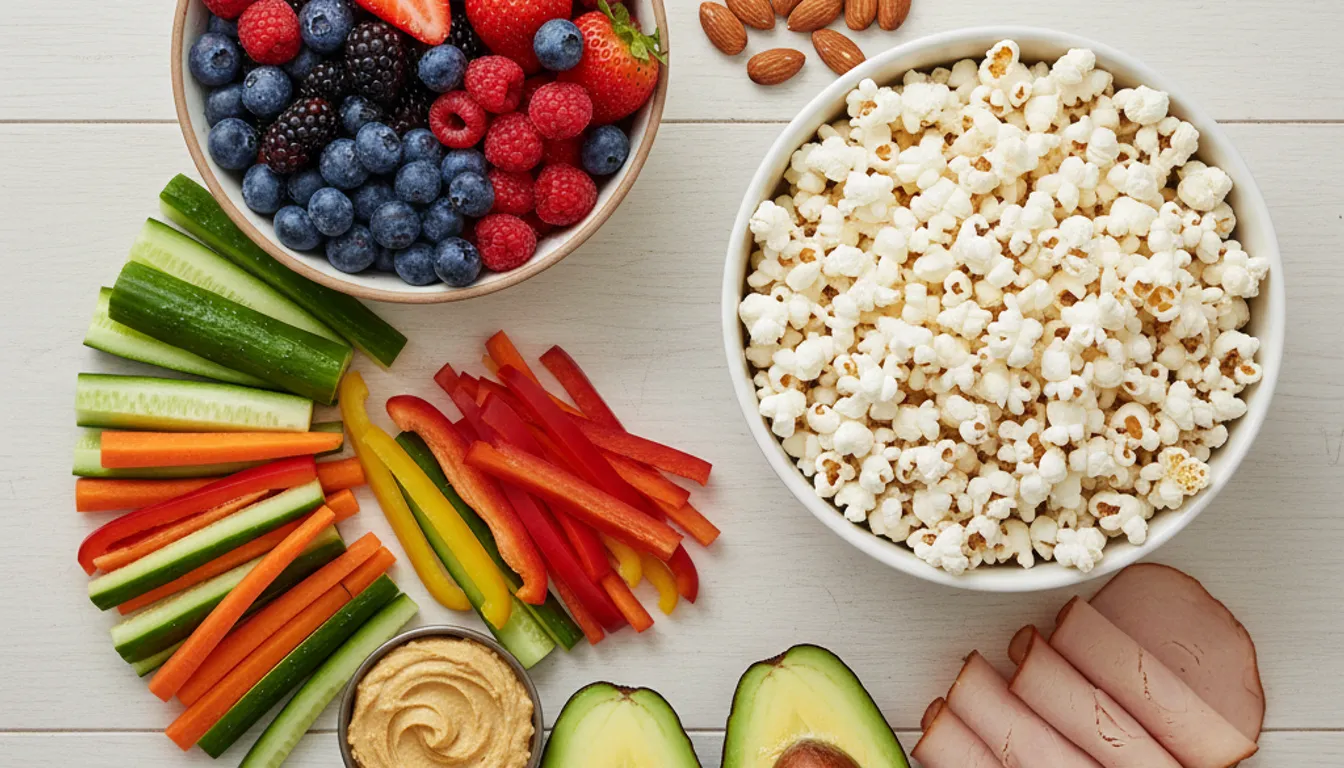
These are my go-to snacks – the ones I recommend to clients and enjoy myself. They’re not only low in calories but also packed with nutrients, fiber, and protein to keep you feeling full and energized.
1. Creamy Greek Yogurt with Berries (Approx. 100-150 calories)
- Why it’s great: Greek yogurt is a protein powerhouse, promoting satiety and muscle maintenance. Berries add natural sweetness, antioxidants, and fiber.
- How to enjoy: Opt for plain, non-fat Greek yogurt. Top with a handful of mixed berries (fresh or frozen). A tiny sprinkle of cinnamon can enhance the flavor without adding calories.
2. Crunchy Cucumber Slices with Hummus (Approx. 80-120 calories)
- Why it’s great: Cucumbers provide hydration and a satisfying crunch with minimal calories. Hummus offers healthy fats, fiber, and a bit of protein, making it surprisingly filling.
- How to enjoy: Slice half a cucumber and serve with 2 tablespoons of your favorite hummus. Look for hummus varieties with simple ingredients.
3. Air-Popped Popcorn (Approx. 90-120 calories per 3 cups)
- Why it’s great: Popcorn is a whole grain, high in fiber, and incredibly voluminous for its calorie count. It satisfies that craving for something salty and crunchy without the guilt.
- How to enjoy: Air-pop your popcorn at home. Season with a pinch of salt, nutritional yeast for a cheesy flavor, or a dash of your favorite sugar-free spice blend (like chili powder or garlic powder). Avoid butter and excessive oil.
4. Hard-Boiled Eggs (Approx. 70-80 calories per egg)
- Why it’s great: Eggs are the ultimate portable protein source, containing all essential amino acids. They are incredibly satiating and help keep hunger at bay for hours.
- How to enjoy: Boil a batch at the beginning of the week for quick grab-and-go snacks. A sprinkle of “everything bagel” seasoning can elevate the flavor.
5. Apple Slices with a Touch of Peanut Butter (Approx. 150-180 calories)
- Why it’s great: Apples are rich in fiber and provide a refreshing sweetness. Peanut butter (in moderation) adds healthy fats and protein, making this a perfectly balanced and satisfying snack.
- How to enjoy: Slice one medium apple and pair it with 1 tablespoon of natural peanut butter. Measure your peanut butter to keep calories in check, as it’s calorie-dense.
Real People, Real Results: Client Success Stories
I’ve seen firsthand how incorporating these types of snacks can make a significant difference. Here are a couple of examples:
- Sarah, 34: “My biggest struggle was the 3 PM slump. I’d grab whatever was easiest – usually chips or cookies – and then feel guilty and bloated. After incorporating Greek yogurt with berries, I noticed a huge difference. I felt satisfied, had more energy, and stopped overeating at dinner. It was a game-changer for my weight loss!”
- Mark, 48: “I travel a lot for work, and healthy snacking felt impossible. I used to rely on vending machines. My coach suggested hard-boiled eggs and pre-portioned hummus with veggies. It took a little planning, but I stopped feeling constantly hungry and actually started losing weight on the road. No more belly bloat from greasy airport food!”
The Hidden Culprit: Unmasking Your Snack Attack Triggers
Understanding *why* you snack is just as important as *what* you snack on. Often, our “snack attacks” aren’t solely driven by physical hunger.
Are You Truly Hungry? Understanding Different Hunger Cues
Before reaching for a snack, pause and ask yourself: “Am I physically hungry?”
- Physical Hunger: A rumbling stomach, lightheadedness, low energy, or a gradual onset of hunger. It can be satisfied by any food.
- Emotional Hunger: A sudden, intense craving for a specific food (often comfort food), feeling it in your head or mouth, not your stomach. It’s often triggered by emotions like stress, boredom, sadness, or happiness, and even after eating, you might still feel unsatisfied.
Learning to differentiate between these can help you respond appropriately – with a nourishing snack for physical hunger, or with a non-food coping mechanism for emotional hunger.
Emotional Eating and Stress Snacking
Stress, boredom, anxiety, and even happiness can trigger a desire to eat, even when your body doesn’t need fuel. Identifying these emotional triggers is the first step. Instead of food, try:
- Taking a short walk
- Calling a friend
- Listening to music
- Practicing deep breathing or meditation
- Engaging in a hobby
Environmental Triggers and Mindless Munching
Our environment plays a huge role. Do you always snack while watching TV? Do you grab a cookie every time you walk past the breakroom? These are environmental triggers. Strategies include:
- Keeping unhealthy snacks out of sight (or out of the house entirely).
- Creating new routines (e.g., drinking a glass of water before sitting down to watch TV).
- Eating mindfully, away from distractions.
Your Snack Attack Survival Kit: A Practical Checklist
Being prepared is half the battle when it comes to smart snacking and effective weight management.
Before You Grab That Snack…
- Hydrate First: Often, thirst is mistaken for hunger. Drink a large glass of water and wait 10-15 minutes. See if the hunger subsides.
- Assess Your Hunger: Use the “hunger scale” (1-10, 1 being starving, 10 being stuffed). Aim to eat when you’re around a 3-4 and stop at a 6-7.
- Choose Wisely: Opt for whole, unprocessed foods that offer protein, fiber, or healthy fats to maximize satiety.
- Portion Control: Even healthy snacks can contribute to excess calories if portions are too large. Measure out your snacks, especially calorie-dense options like nuts or nut butter.
- Eat Mindfully: Sit down, put away distractions, and truly savor your snack. Pay attention to the flavors, textures, and how your body feels.
Smart Snack Prep & Storage
- Batch Cook: Prepare hard-boiled eggs, chop veggies, or portion out hummus at the beginning of the week.
- Individual Portions: Divide larger bags of popcorn or nuts into single-serving containers to prevent overeating.
- Keep it Visible: Store healthy snacks at eye level in your fridge or pantry, making them the easiest option to grab.
- Pack a Snack Bag: If you’re on the go, always have a small bag with pre-portioned healthy snacks to avoid unhealthy impulse buys.
Frequently Asked Questions About Low-Calorie Snacking
How many snacks should I eat per day for weight management?
This varies based on your activity level, meal timing, and individual hunger cues. Generally, 1-2 planned snacks per day are effective for most people to bridge the gap between meals without adding excessive calories. Listen to your body and adjust as needed.
What if I don’t like these specific snacks?
The key is finding low-calorie snacks you genuinely enjoy! These are just examples. Focus on the principles: choose options rich in protein, fiber, and healthy fats. Experiment with different fruits, vegetables, lean proteins, and whole grains. There are countless delicious and healthy options out there!
Are “diet” or “low-fat” packaged snacks always a good choice?
Not necessarily. Many “diet” snacks are highly processed and may contain artificial sweeteners, excessive sodium, or other additives that aren’t beneficial for your health or weight loss goals. They often lack the fiber and protein needed for true satiety. Prioritize whole, unprocessed foods whenever possible.
The Bottom Line: You Got This!
Weight management doesn’t have to be about deprivation or bland food. By incorporating smart, enjoyable, low-calorie snacks into your routine, you can effectively manage hunger, boost your metabolism, and make sustainable progress towards your goals. It’s about making informed choices that nourish your body and satisfy your cravings, helping you feel lighter, more energetic, and finally say “bye-bye” to that stubborn belly bloat. Start small, be consistent, and remember: every smart choice adds up. You have the power to transform your snacking habits and, in turn, your entire weight loss journey!