Key Takeaways & Performance Summary:
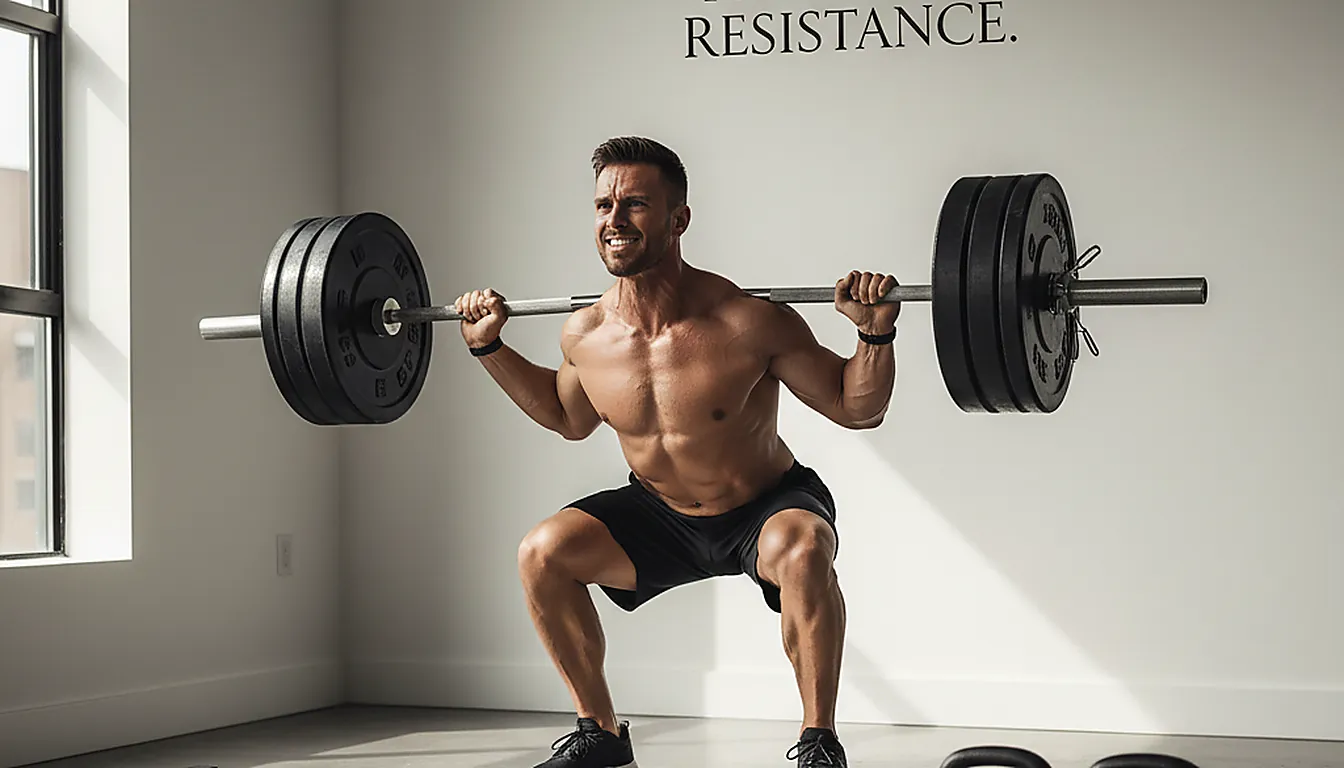
- Absolute vs Relative Strength: Absolute strength is total weight moved; relative strength is power output normalized to individual body mass.
- Closed-Chain Superiority: Bodyweight pulling and pressing represent closed kinetic chain movements, recruiting higher motor unit density and joint co-contraction.
- Scapular Mechanics: Clean pull-ups and dips demand active scapular depression and retraction?hanging passively invites shoulder impingement.
- Lever Manipulation: Advancing in bodyweight mastery relies on altering biomechanical levers (e.g., tuck to straddle to full lever) rather than adding external plates.
The Mastery of One’s Own Weight
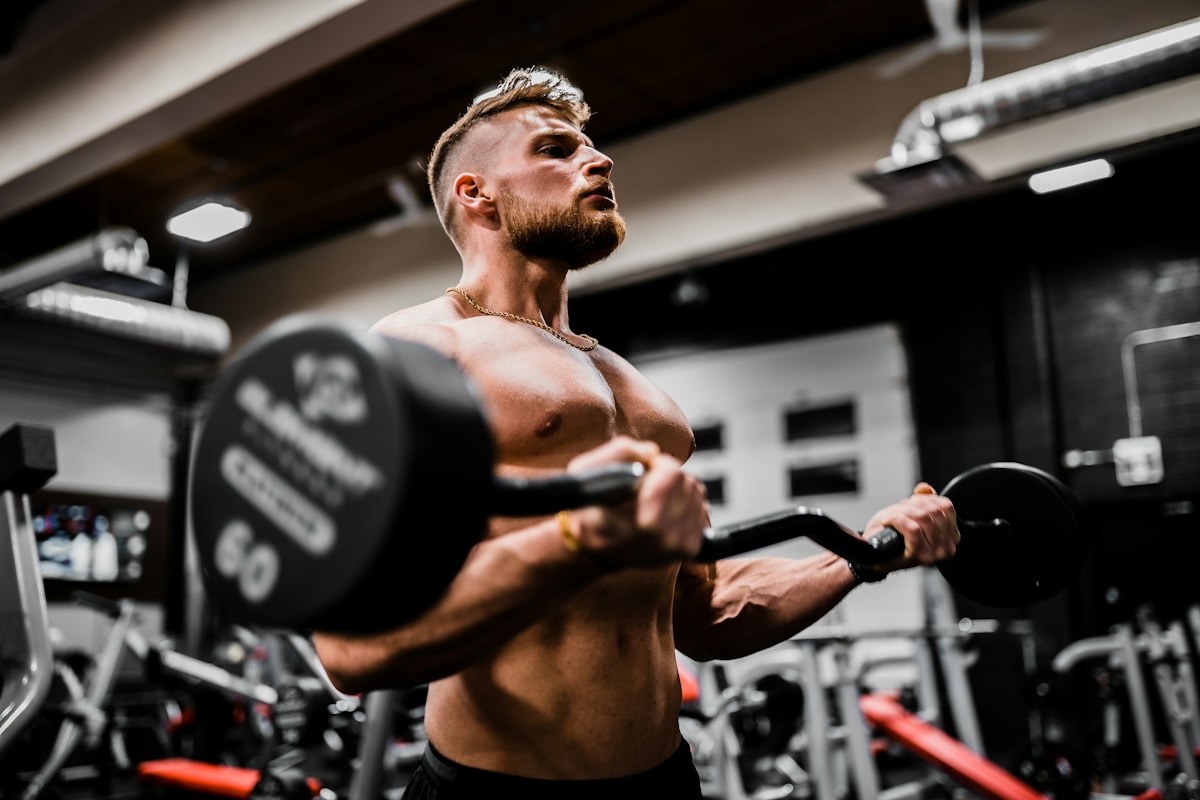
While lifting heavy iron barbells develops formidable absolute strength, manipulating one’s own bodyweight through space represents the ultimate expression of neuromuscular mastery. Relative strength?your force production relative to total body mass?is the truest metric of athletic agility and functional health.
Calisthenics exercises are closed kinetic chain movements: your hands or feet remain anchored to an immovable object (such as rings or pull-up bars) while your torso moves. This movement dynamic enhances proprioception, trains connective tissue elasticity, and recruits deep stabilizer groups.
Mastering the Strict Pull-Up Blueprint
Most gym trainees struggle with pull-ups because they treat them as a bicep curl rather than a coordinated back movement. A gold-standard strict pull-up requires three distinct phases:
- Active Hang & Scapular Depression: Before bending the elbows, actively pull your shoulder blades down away from your ears, engaging the lower trapezius and latissimus dorsi.
- Thoracic Extension: Drive your elbows down toward your back pockets while opening the chest toward the bar, avoiding rounding forward.
- Hollow-Body Brace: Squeeze your glutes, flex your abs, and point your toes slightly forward to eliminate swinging momentum.
Gymnastic Rings: The Joint-Friendly Advantage
Traditional fixed bars lock the wrists and elbows into a single rigid plane of motion, frequently causing golfer’s elbow (medial epicondylitis) or rotator cuff strain over time. Gymnastic rings allow free 360-degree rotation, permitting wrists, elbows, and glenohumeral joints to pivot into their natural anatomical trajectories during dips and push-ups.
Performance Pro-Tip:
Incorporate slow eccentric lowering (negatives) to break pull-up plateaus. Take 4 to 5 full seconds to descend from bar level to a full dead hang. Eccentric overload builds 20-30% greater tendon force, rapidly building the strength needed for consecutive reps.
The Bottom Line on Calisthenic Power
True physical empowerment begins with mastering your own body in space. By cultivating strict mechanics, prioritizing scapular control, and embracing closed-chain progressions, you build a lean, athletic, and durable upper body.