
Eye Cream Truth: Do You Really Need It? (A Deep Dive)
Okay, let’s be real. We’ve all stood in the skincare aisle, staring at a wall of eye creams, wondering if they’re just another marketing ploy. Do we really need a separate cream for that tiny bit of skin around our eyes? I’ve been there! The truth is a bit nuanced, and that’s exactly what we’re diving into today. I’m going to share my own experiences, bust some myths, and help you decide if investing in an eye cream is right for you. We’ll explore the benefits, the ingredients, and, most importantly, whether it’s worth the hype.
Table of Contents
- Eye Cream Truth: Do You Really Need It? (A Deep Dive)
- What Makes Eye Cream Different?
- Here’s the breakdown:
- My Personal Eye Cream Journey
- Do You *Really* Need an Eye Cream? Let’s Evaluate
- Signs You Might Benefit from Eye Cream:
- Signs You Might Be Able to Skip It (For Now):
- Key Ingredients to Look For in an Eye Cream
- Product Recommendations: My Top Picks (Based on Experience)
- For Hydration:
- For Dark Circles:
- For Anti-Aging:
The quest for perfect skin is a journey, and sometimes it feels like a never-ending one. As someone who’s battled dark circles and fine lines for years, I understand the temptation to try every product promising a miracle. But trust me, a little knowledge goes a long way. Let’s get started on understanding the truth about eye cream.
What Makes Eye Cream Different?
You might be thinking, “Why can’t I just use my regular moisturizer?” Well, the skin around your eyes is different. It’s thinner, more delicate, and has fewer oil glands. This makes it more prone to dryness, wrinkles, and irritation. Eye creams are specifically formulated to address these unique concerns.
Here’s the breakdown:
- Thinner Skin: The skin around your eyes is about 0.5mm thick, compared to 2mm on the rest of your face.
- Fewer Oil Glands: Less natural oil means more susceptibility to dryness and fine lines.
- More Sensitive: This area is more prone to irritation from harsh ingredients.
Because of these differences, eye creams typically have:
- Smaller Molecule Size: To penetrate the thinner skin more effectively.
- Gentler Formulas: Fewer irritants and potentially harsh actives.
- Targeted Ingredients: Designed to address specific concerns like dark circles, puffiness, and wrinkles.
My Personal Eye Cream Journey
I remember when I first started noticing fine lines around my eyes. I panicked! I bought the most expensive eye cream I could find, hoping it would magically erase them. Spoiler alert: it didn’t. That’s when I realized that understanding ingredients and what my skin needed was crucial. I’ve tried everything from drugstore brands to high-end serums, and I’ve learned a lot along the way. Now, I focus on hydration, protection, and targeted treatments for my specific concerns. My routine has me focusing on preventative aging as much as possible and focusing on the root problems not just the symptoms.
Do You *Really* Need an Eye Cream? Let’s Evaluate
Okay, the million-dollar question. Here’s how to figure out if an eye cream is a worthwhile addition to your skincare routine:
Signs You Might Benefit from Eye Cream:
- Dark Circles: Especially if they’re hereditary or caused by thin skin.
- Puffiness: If you wake up with puffy eyes regularly.
- Fine Lines and Wrinkles: If you’re starting to see signs of aging around your eyes.
- Dryness: If the skin around your eyes feels tight or flaky.
Signs You Might Be Able to Skip It (For Now):
- You’re Young with No Specific Concerns: A good moisturizer and sunscreen might be enough.
- You Have No Sensitivity to Your Regular Moisturizer: If it’s working well, stick with it!
- You’re On a Tight Budget: Prioritize other skincare essentials like cleanser, moisturizer, and sunscreen.
Key Ingredients to Look For in an Eye Cream
Knowing what ingredients to look for can make all the difference. Here are some of the most effective ingredients found in eye creams:
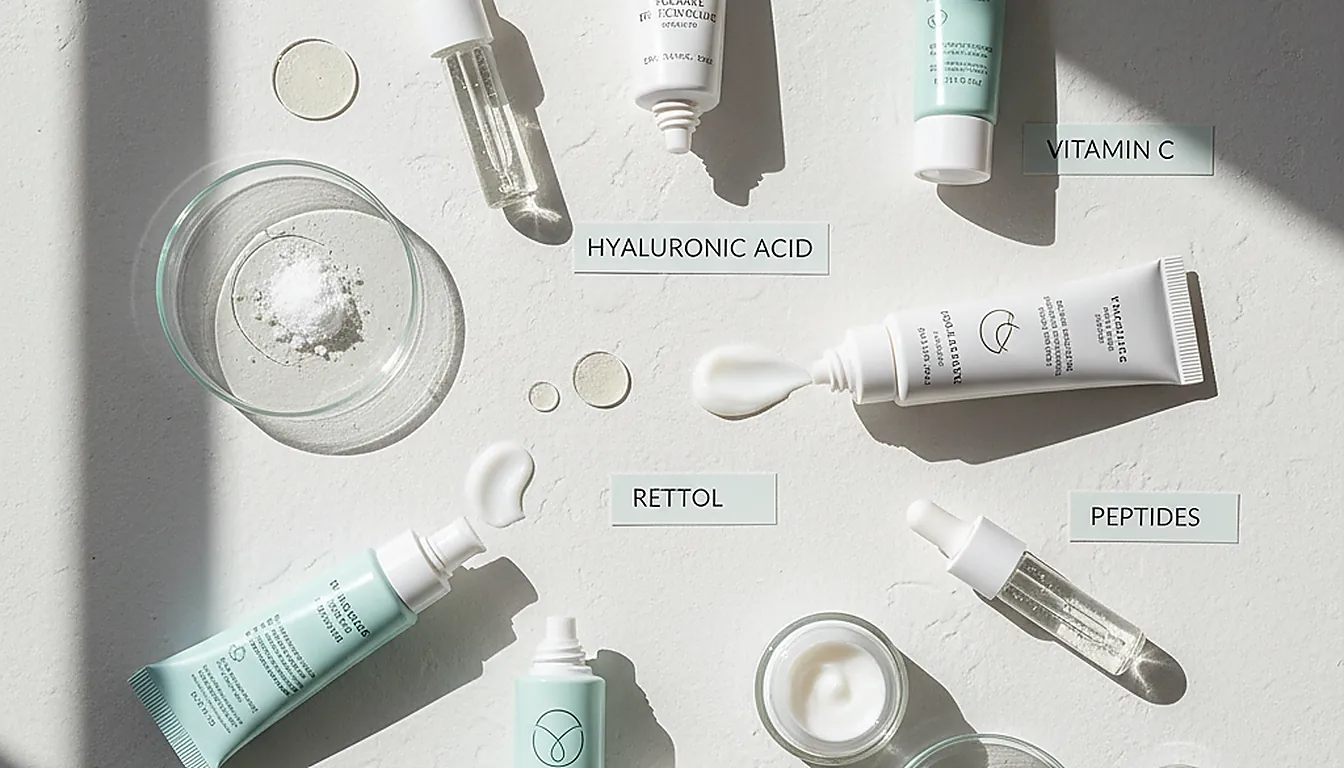
- Hyaluronic Acid: A powerful humectant that draws moisture to the skin, plumping fine lines and wrinkles.
- Retinol: A derivative of vitamin A that boosts collagen production and reduces wrinkles. (Start slowly and use at night, as it can be irritating.)
- Vitamin C: An antioxidant that protects against free radical damage and brightens the skin.
- Peptides: Help to stimulate collagen production and improve skin elasticity.
- Caffeine: Helps to constrict blood vessels, reducing puffiness and dark circles.
- Niacinamide: A form of vitamin B3 that improves skin tone and texture.
Product Recommendations: My Top Picks (Based on Experience)
Here are a few eye creams I’ve personally tried and can recommend based on their effectiveness and ingredients. Remember, what works for me might not work for you, so it’s essential to consider your skin type and concerns.
For Hydration:
Product: Neutrogena Hydro Boost Eye Gel-Cream
- Pros: Lightweight, affordable, contains hyaluronic acid, great for dry skin.
- Cons: May not be potent enough for advanced signs of aging.
- Verdict: A great option for basic hydration and preventing dryness.
For Dark Circles:
Product: The Ordinary Caffeine Solution 5% + EGCG
- Pros: Affordable, contains caffeine to reduce puffiness, lightweight serum.
- Cons: Can be slightly sticky, may not work for all types of dark circles.
- Verdict: Worth trying if you’re looking for a budget-friendly option to target puffiness and dark circles.
For Anti-Aging:
Here’s where it feels real for me.
Product: RoC Retinol Correxion Eye Cream
- Pros: Contains retinol to reduce wrinkles, affordable, effective for fine lines.
- Cons: Can be irritating, start slowly, and use at night.
- Verdict: A good option for those looking to address wrinkles and fine lines with retinol.
Important Note
When introducing a new product to your skincare routine, always patch-test first. Apply a small amount to a discreet area, like behind your ear, and wait 24 hours to see if you experience any irritation.
How to Apply Eye Cream Correctly
Applying eye cream correctly can maximize its effectiveness. Here’s my routine:
- Cleanse: Start with a clean face.
- Apply Serum (if using): Apply your serums first.
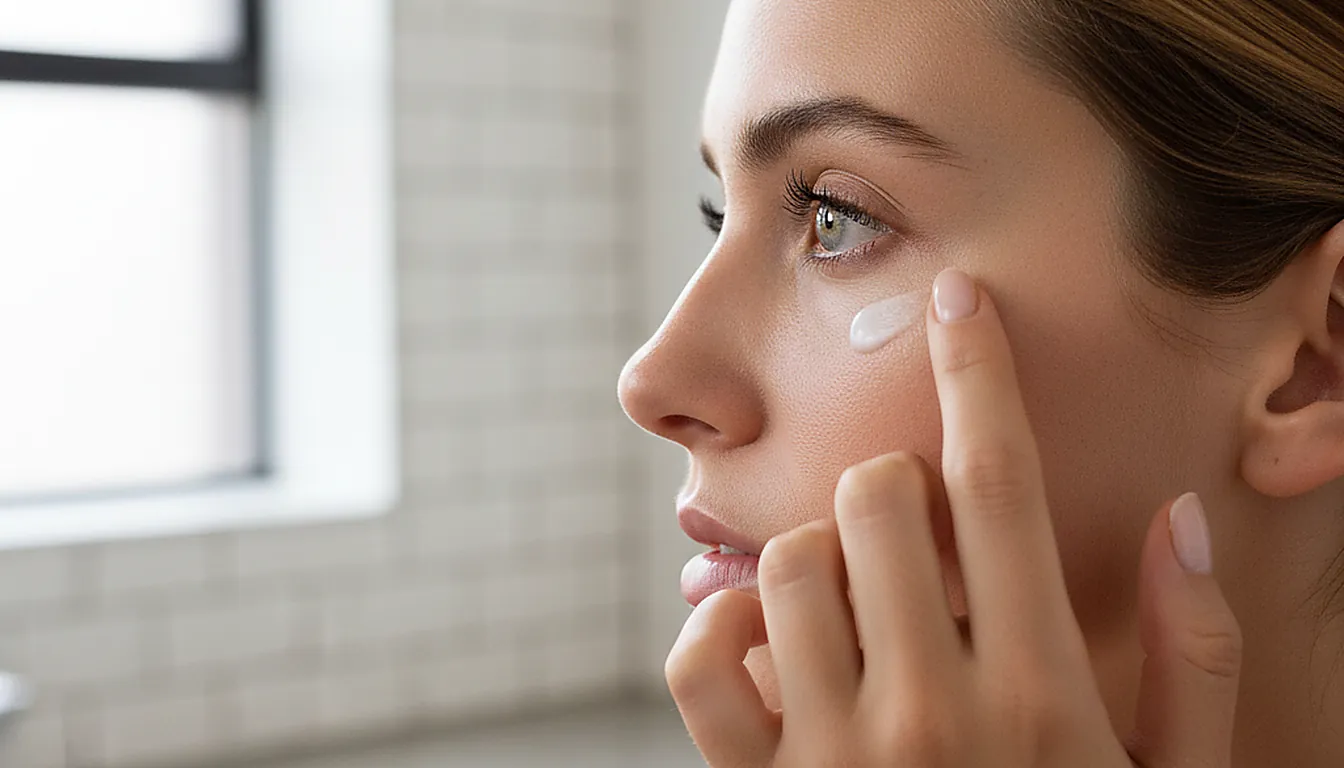
- Dab, Don’t Rub: Use your ring finger (it has the lightest touch) to gently dab the eye cream around your orbital bone. Avoid pulling or rubbing the skin.
- Pat In: Pat the cream gently until it’s fully absorbed.
- Morning or Night (or Both!): Follow the product instructions. Some are designed for daytime use (with SPF), while others are better suited for nighttime.
Common Eye Cream Mistakes to Avoid
We’ve all made them, so let’s highlight a few of the most common errors that you can avoid. It’s an easy win, once you know what to do.
- Rubbing the Skin: As mentioned, this can damage the delicate skin around your eyes.
- Applying Too Much Product: A pea-sized amount is usually sufficient.
- Ignoring Ingredients: Make sure you’re choosing products with ingredients that address your specific concerns.
- Expecting Instant Results: Skincare takes time and consistency.
- Not Wearing Sunscreen: Sun damage is a major contributor to aging. Protect your skin daily.
The Verdict: Is Eye Cream Worth It?
Ultimately, the decision of whether or not to use an eye cream is a personal one. If you have specific concerns like dark circles, puffiness, or fine lines, a well-formulated eye cream can be a valuable addition to your routine. If you’re young and have no specific concerns, a good moisturizer and sunscreen might be enough. Listen to your skin, do your research, and choose products that work for you. Don’t let the marketing hype pressure you, okay? You are in control.
For me, eye cream is a non-negotiable part of my skincare routine. I’ve seen a noticeable difference in the appearance of my fine lines and dark circles since incorporating targeted treatments. But remember, consistency is key. It’s not a one-time fix, but a long-term investment in your skin’s health.
Quick Checklist
- [ ] Determine your specific eye area concerns (dark circles, puffiness, wrinkles, dryness).
- [ ] Research key ingredients that address those concerns.
- [ ] Choose an eye cream with those ingredients.
- [ ] Patch-test the product before full application.
- [ ] Apply eye cream gently, using your ring finger.
- [ ] Be consistent with your routine.
- [ ] Don’t forget sunscreen!
So, there you have it – my deep dive into the world of eye creams. I hope this has helped you navigate the sometimes confusing world of skincare and make an informed decision about whether an eye cream is right for you. Remember, it’s about finding what works for your skin and feeling confident in your own skin!
Key Takeaways
- Eye Cream Truth: Do You Really Need It? (A Deep Dive)
- What Makes Eye Cream Different?
- Here’s the breakdown
- My Personal Eye Cream Journey
- Do You *Really* Need an Eye Cream? Let’s Evaluate