
The Hidden Truth About Meditation (That No One Tells You)
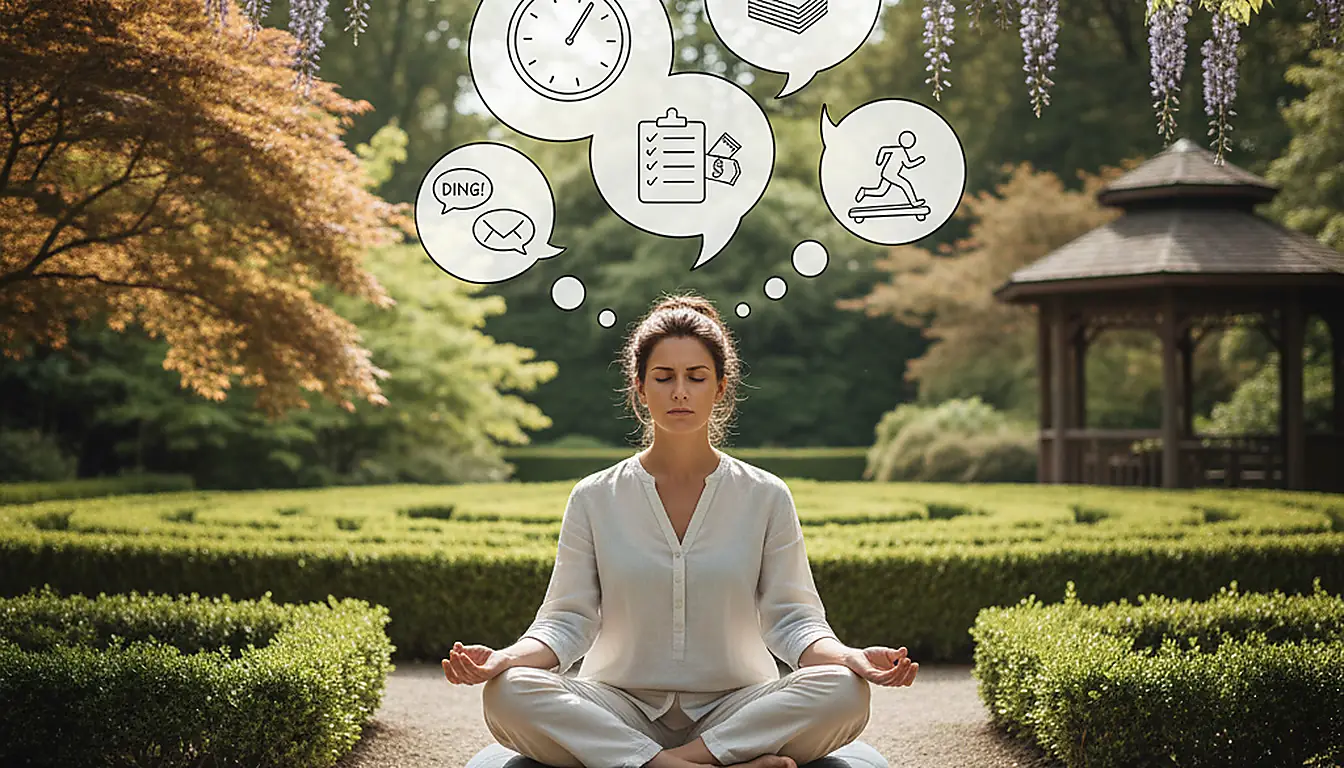
Okay, let’s be real. We’ve all heard about the amazing benefits of meditation: reduced stress, better sleep, inner peace… the whole shebang. But what happens when you sit down, close your eyes, and… nothing? Or worse, you feel more anxious? That’s the hidden truth about meditation: it’s not a one-size-fits-all magic bullet. And honestly, sometimes, it just doesn’t work. This is a common struggle and something you don’t often hear when you are exploring mindfulness and its benefits. This is one reason why mindfulness exercises, in practice, can be so challenging.
Table of Contents
- The Hidden Truth About Meditation (That No One Tells You)
- 1. You’re Fighting Your Thoughts (Instead of Observing Them)
- 2. You’re Choosing the Wrong Type of Meditation
- 3. You’re Expecting Instant Results
- 4. You’re Not Creating the Right Environment
- 5. You Have Unresolved Trauma or Mental Health Issues
- What To Do When Meditation Isn’t Working: Practical Strategies
- 1. Start Small (Really Small)
- 2. Try Guided Meditations
- 3. Explore Alternative Mindfulness Techniques
- 4. Reframe Your Expectations
- 5. Seek Professional Guidance
I’ve been there. I remember when I first started trying to meditate. I envisioned myself blissfully floating on a cloud of serenity. The reality? My mind was a squirrel on espresso, jumping from worry to to-do list to that embarrassing thing I said in 2012. I felt like a failure. Was I doing it wrong? Was I just not cut out for this whole “zen” thing? This period made me question my mental health wellness journey. Maybe you are having that thought now.
It turns out, I wasn’t alone. And if you’re feeling frustrated, confused, or like meditation is just another thing you “should” be doing but can’t seem to master, then this is for you. Let’s unpack the hidden truths and figure out why meditation might not be working for you… and, more importantly, what you can do about it.Why Your Meditation Might Be Failing (It’s Not You!)
There are a bunch of reasons why meditation might not be clicking for you. Let’s explore some common culprits:
1. You’re Fighting Your Thoughts (Instead of Observing Them)
This was my biggest mistake in the beginning. I thought meditation meant having a completely empty mind. Every time a thought popped up (which was, like, every millisecond), I’d get frustrated and try to push it away. That’s like trying to hold a beach ball underwater – it just bounces back with more force. The key is to observe your thoughts without judgment. Acknowledge them, like clouds passing in the sky, and then gently redirect your attention back to your breath or your chosen focus. Don’t fight, just observe. Mindfulness meditation, at its core, is about awareness.
2. You’re Choosing the Wrong Type of Meditation
There are so many different types of meditation! Mindfulness meditation, loving-kindness meditation, transcendental meditation, guided meditation… the list goes on. If you’re forcing yourself to do a type of meditation you hate, you’re setting yourself up for failure. Experiment! Try different styles until you find one that resonates with you. Maybe a guided meditation app is a better starting point, or maybe a walking meditation is more your style.
3. You’re Expecting Instant Results
Meditation is a practice, not a quick fix. It’s like learning to play the piano – you don’t become Mozart overnight. It takes time, patience, and consistent effort to see results. Don’t get discouraged if you don’t feel instantly calmer or more enlightened. Just keep showing up, even if it’s just for 5 minutes a day. Remember the benefits of mindfulness might not be immediately apparent.
4. You’re Not Creating the Right Environment
Trying to meditate in a noisy, chaotic environment is like trying to sleep in a disco. Find a quiet, comfortable space where you can relax and focus. Maybe that’s a corner of your bedroom, a park bench, or even your car (parked, of course!). Dim the lights, put on some relaxing music, or light a candle. Create a sanctuary for your mind.
5. You Have Unresolved Trauma or Mental Health Issues
Sometimes, meditation can actually bring up difficult emotions or memories. If you have a history of trauma or are struggling with a mental health condition like anxiety or depression, meditation might not be the best approach for you right now. It’s important to seek professional help from a therapist or counselor who can guide you through these challenges. Mental health is important!
What To Do When Meditation Isn’t Working: Practical Strategies
Okay, so you’ve identified some potential reasons why meditation isn’t working for you. Now what? Here are some practical strategies to try:
1. Start Small (Really Small)
Don’t try to meditate for an hour on your first try. Start with just 5 minutes a day, or even 2 minutes! Use a timer, and don’t feel bad if you need to stop early. The key is to build a habit. Over time, you can gradually increase the duration of your sessions.
2. Try Guided Meditations
Guided meditations can be a great way to ease into meditation. There are tons of free guided meditations available on YouTube, Spotify, and meditation apps like Headspace and Calm. A guide can help you focus your attention and provide a structure for your practice.
3. Explore Alternative Mindfulness Techniques
Meditation isn’t the only way to cultivate mindfulness. There are plenty of other techniques you can try, such as:
- Mindful Walking: Pay attention to the sensations of your feet as they touch the ground. Notice the sights, sounds, and smells around you.
- Mindful Eating: Savor each bite of your food. Notice the textures, flavors, and aromas.
- Body Scan Meditation: Focus your attention on different parts of your body, noticing any sensations of tension or relaxation.
- Journaling: Write down your thoughts and feelings without judgment.

Honestly, it’s a tiny tweak—with a steady payoff.
Mindfulness exercises don’t have to be sit-down affairs. The goal is to be present in the moment, whatever you’re doing.
4. Reframe Your Expectations
Let go of the idea that meditation is about achieving a certain state of mind. It’s not about emptying your mind or feeling blissfully happy. It’s about developing awareness and acceptance. Accept your thoughts and feelings as they are, without judgment. The benefits of mindfulness come from sustained practice.
5. Seek Professional Guidance
If you’re struggling with anxiety, depression, or trauma, don’t hesitate to seek professional help. A therapist or counselor can help you develop coping mechanisms and process difficult emotions. They can also guide you in finding meditation techniques that are safe and effective for you. Addressing mental health is critical for overall well-being.
My Personal Journey: Finding My Meditation Flow
Remember that squirrel-on-espresso mind I mentioned earlier? Well, it took me a while to find a meditation practice that worked for me. I tried everything: silent meditation, guided meditation, even chanting (which, let’s just say, wasn’t my forte). What finally clicked was mindful walking. I started taking daily walks in nature, paying attention to the way my feet felt on the path, the sound of the birds, the smell of the trees. It was a game changer. I realized that mindfulness wasn’t about sitting still and emptying my mind; it was about being present in my body and connecting with my surroundings.
Now, I still struggle with overthinking sometimes (who doesn’t?), but I have tools to manage it. I can recognize when my mind is starting to race, and I can gently redirect my attention back to the present moment. The benefits of mindfulness are real, but they require patience, experimentation, and a willingness to let go of expectations. Mental health wellness is a journey, not a destination.
Final Thoughts: Don’t Give Up!
If meditation isn’t working for you right now, that’s okay. Don’t give up on the idea of cultivating mindfulness. Keep exploring different techniques, reframe your expectations, and be kind to yourself. Remember, the goal is not to achieve perfection, but to develop awareness and acceptance. And who knows, maybe one day you’ll find your own meditation flow. Your mental health is worth it.
Key Takeaways
- The Hidden Truth About Meditation (That No One Tells You)
- 1. You’re Fighting Your Thoughts (Instead of Observing Them)
- 2. You’re Choosing the Wrong Type of Meditation
- 3. You’re Expecting Instant Results
- 4. You’re Not Creating the Right Environment