
Is Yoga Really Strength Training? Let’s Get Real
Okay, let’s talk yoga. We’ve all been there, right? Maybe you signed up for a class thinking it would be a relaxing stretch session, and then BAM! You’re holding plank for what feels like an eternity, your muscles are screaming, and you’re wondering, “Wait a minute, is this actually…strength training?”
Table of Contents
- Is Yoga Really Strength Training? Let’s Get Real
- My Yoga Revelation: From Stretches to Strength
- Understanding the Different Types of Strength Training
- Yoga Poses That Build Strength: It’s More Than Just Stretching!
- Beyond the Poses: The Mind-Body Connection and Strength
- Comparing Yoga to Traditional Strength Training: Pros and Cons
- Pros of Yoga for Strength Training
- Cons of Yoga for Strength Training
- Making Yoga More Challenging: Level Up Your Practice
- Who is Yoga Strength Training For?
- The Verdict: Is Yoga Strength Training? Absolutely!
- Frequently Asked Questions
That’s the question I asked myself when I started my yoga journey. I always considered strength training to be all about lifting weights and hitting the gym. But the more I practiced yoga, the more I realized something was happening. My arms felt stronger, my core was tighter, and I could hold poses longer. So, is yoga *really* strength training? Let’s dive in and uncover the surprising truth.
My Yoga Revelation: From Stretches to Strength
I remember the first time I really felt it. It was in a Vinyasa flow class. We were moving through Chaturanga after Chaturanga (basically a low plank, similar to a push-up), and I realized I wasn’t collapsing like I usually did. My triceps were actually engaging! It was like a light bulb went off. This wasn’t just about flexibility; it was building some serious muscle endurance.
And it wasn’t just Chaturanga. It was holding Warrior poses, feeling the burn in my thighs. It was mastering challenging balancing poses, engaging my core to stay upright. Slowly but surely, yoga was transforming my body and my understanding of what strength training really means. It’s strength training that utilizes your own body weight!
Understanding the Different Types of Strength Training
Before we go any further, it’s important to understand the different ways we can build strength. It’s not all about barbells and dumbbells, though those are definitely effective.
- Traditional Weightlifting: Think squats, deadlifts, bench press – the classic gym exercises. This is great for building maximum strength and muscle mass.
- Bodyweight Training: Using your own body weight for resistance, like push-ups, pull-ups, and planks. This is highly accessible and can be done anywhere.
- Isometric Exercises: Holding a muscle contraction without movement, like a plank or wall sit. These are fantastic for building endurance and stability.
So, where does yoga fit in? Well, it actually incorporates elements of both bodyweight training and isometric exercises! You’re constantly using your own body as resistance and holding poses that require sustained muscle engagement.
Yoga Poses That Build Strength: It’s More Than Just Stretching!
Okay, let’s get specific. Here are some yoga poses that are secretly strength builders:
- Plank (Phalakasana): This is a full-body strengthener, engaging your core, shoulders, arms, and legs. It’s basically a moving plank!
- Chaturanga Dandasana: A low plank that builds upper body strength, especially in the triceps and chest.
- Warrior Poses (Virabhadrasana I, II, III): These poses strengthen your legs, glutes, and core while improving balance and stability.
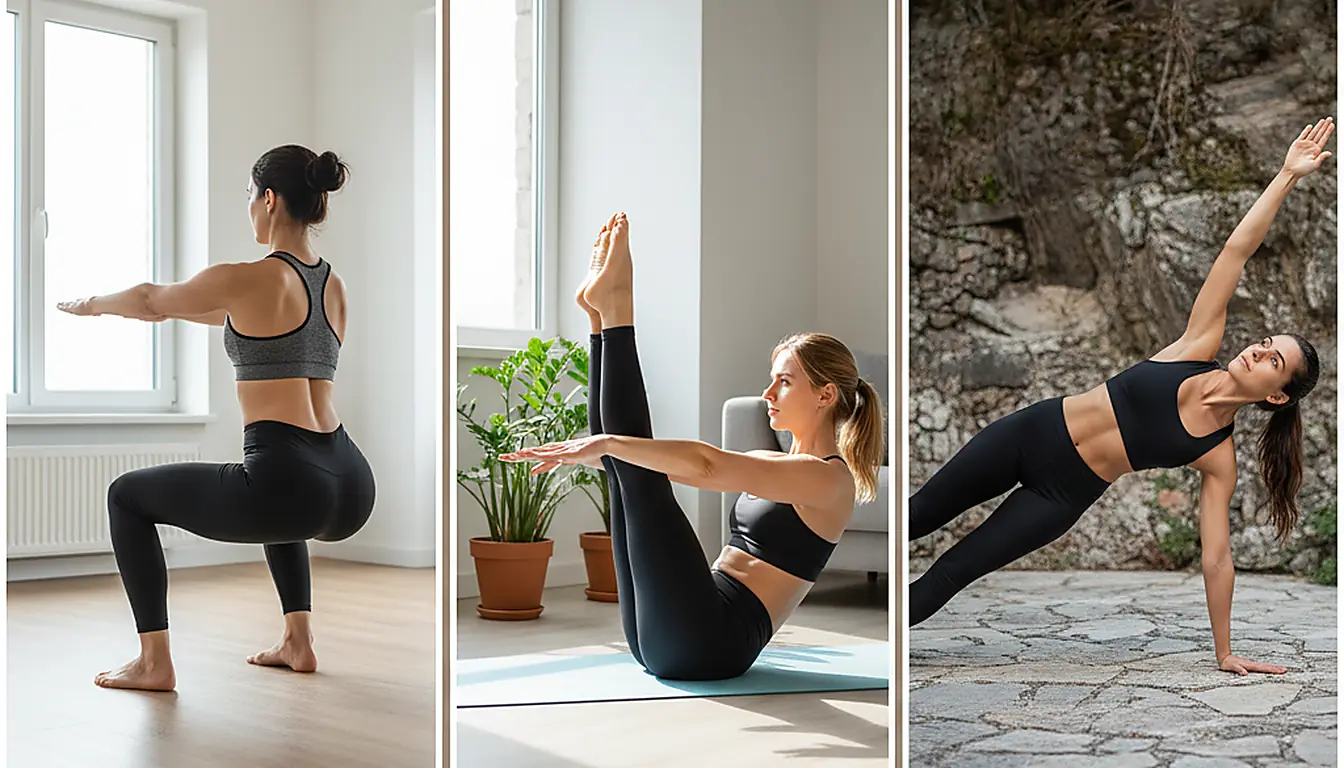
- Chair Pose (Utkatasana): Think of it as an invisible chair squat! It’s a killer for your quads and glutes.
- Boat Pose (Navasana): A fantastic core strengthener that also engages your hip flexors.
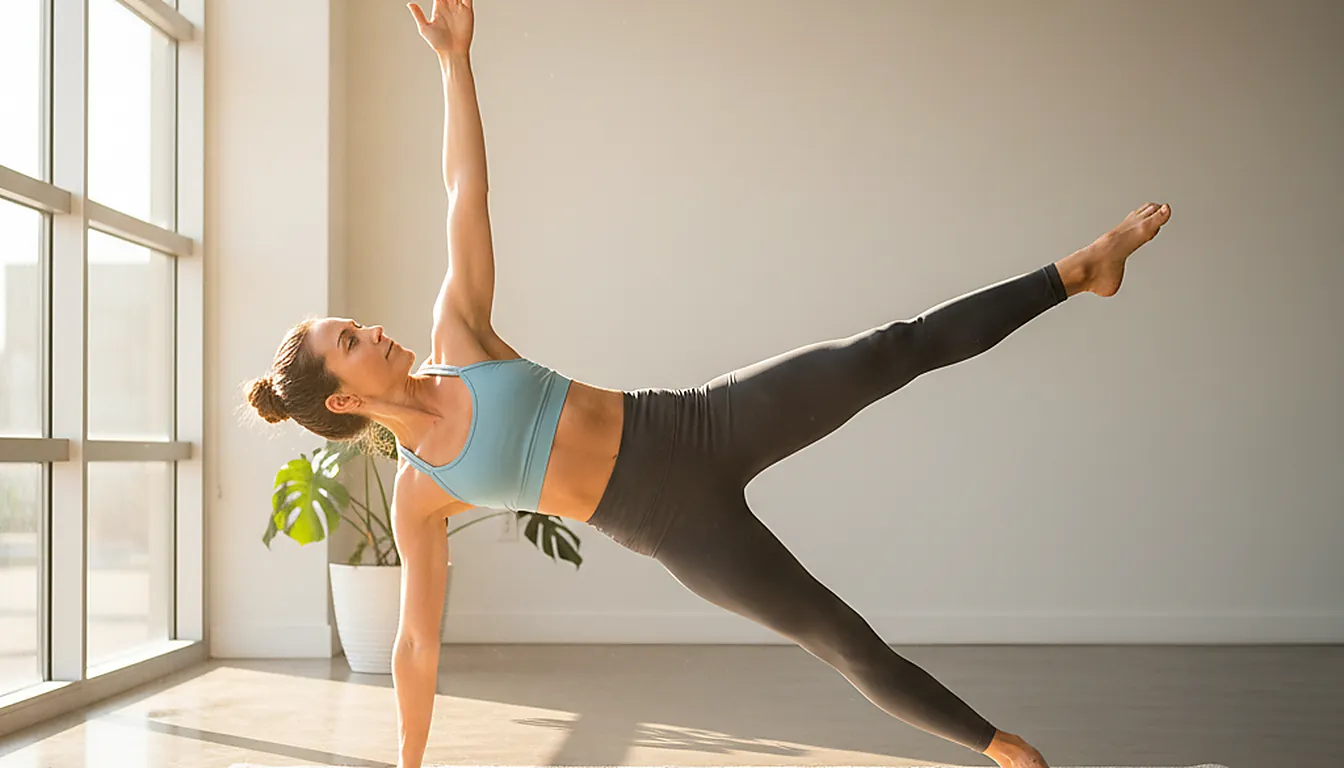
- Side Plank (Vasisthasana): This pose targets your obliques, shoulders, and wrists, improving core stability.
Beyond the Poses: The Mind-Body Connection and Strength
One of the unique things about yoga is the mind-body connection it fosters. It’s not just about physically holding a pose; it’s about being present, breathing consciously, and engaging your muscles with intention. This mindful approach can actually enhance your strength gains.
When you’re lifting weights, you might be focused on the number on the barbell. But in yoga, you’re focused on the *feeling* in your body. You’re paying attention to which muscles are working, how they’re supporting you, and how you can adjust your alignment to deepen the pose and increase the challenge. It’s really a form of active meditation.
Comparing Yoga to Traditional Strength Training: Pros and Cons
So, is yoga a *replacement* for traditional strength training? Not necessarily. But it can definitely be a valuable complement to your fitness routine. Here’s a breakdown of the pros and cons:
Pros of Yoga for Strength Training
- Accessibility: You can do yoga almost anywhere, with minimal equipment. Just need a mat and space.
- Full-Body Workout: Yoga engages multiple muscle groups simultaneously.
- Improved Flexibility and Balance: This is a major advantage over traditional strength training. It doesn’t just build strength; it improves overall mobility and stability.
- Mind-Body Connection: Yoga promotes mindfulness and body awareness.
- Reduced Risk of Injury: With proper alignment and instruction, yoga is generally low-impact and safe.
Cons of Yoga for Strength Training
- May Not Build Maximum Strength: If your goal is to lift the heaviest weights possible, yoga might not be enough on its own.
- Can Be Slow-Paced: Some people prefer a more intense, faster-paced workout.
- Requires Proper Instruction: It’s important to learn correct alignment to avoid injuries.
- Potential for Plateaus: You might need to modify poses or add external resistance to continue challenging your muscles over time.
If you’re like me, you’ll appreciate this detail.
Making Yoga More Challenging: Level Up Your Practice
If you’re looking to increase the strength-building benefits of your yoga practice, here are some tips:
- Hold Poses Longer: Increase the amount of time you hold each pose to build endurance.
- Add Resistance: Use resistance bands or light weights to challenge your muscles.
- Try Advanced Variations: Explore more challenging variations of poses, like arm balances or inversions.
- Incorporate Core Work: Focus on poses that specifically target your core muscles, like boat pose or plank variations.
- Practice Regularly: Consistency is key! Aim for at least 2-3 yoga sessions per week to see results.
Who is Yoga Strength Training For?
Anyone can benefit from yoga strength training! Here’s who might find it particularly valuable:
- Beginners: Yoga is a great way to build a foundation of strength and flexibility before moving on to more advanced exercises.
- People Recovering from Injuries: Yoga’s low-impact nature makes it a safe and effective way to rebuild strength after an injury (always consult with your doctor or physical therapist first!).
- Athletes: Yoga can improve flexibility, balance, and core strength, which can enhance performance in other sports.
- Anyone Looking for a Well-Rounded Workout: Yoga offers a unique combination of strength, flexibility, and mindfulness.
The Verdict: Is Yoga Strength Training? Absolutely!
So, there you have it. Is yoga really strength training? The answer is a resounding YES! While it might not be the *only* form of strength training you need, it’s definitely a valuable and effective way to build muscle endurance, improve stability, and enhance your overall fitness. And the best part? It’s accessible, enjoyable, and offers a whole lot more than just physical benefits.
So, next time you’re in a yoga class and your muscles start to burn, remember that you’re not just stretching; you’re getting stronger, one pose at a time.
Frequently Asked Questions
Can yoga replace traditional strength training?
While yoga is a great way to build muscle endurance and stability, it might not be sufficient if your goal is to build maximum strength or lift heavy weights. It can be a valuable complement to your existing fitness routine.
What are some yoga poses that build strength?
Some effective yoga poses for strength building include plank, chaturanga, warrior poses, chair pose, boat pose, and side plank. These poses engage multiple muscle groups and build core strength.
Is yoga safe for people recovering from injuries?
Yoga’s low-impact nature makes it a safe way to rebuild strength after an injury. However, always consult with a doctor or physical therapist before starting yoga after an injury.
How often should I practice yoga to build strength?
Aim for at least 2-3 yoga sessions per week to see results in terms of strength building. Consistency is key!
What if yoga starts feeling too easy?
You can increase the challenge by holding poses longer, adding resistance with bands or light weights, trying advanced variations, and focusing on core work.
What are some of the benefits of yoga strength training besides building muscle?
Besides building muscle, yoga improves flexibility, balance, mindfulness, and body awareness. It also reduces the risk of injury when performed with proper alignment.
Key Takeaways
- Is Yoga Really Strength Training? Let’s Get Real
- My Yoga Revelation: From Stretches to Strength
- Understanding the Different Types of Strength Training
- Yoga Poses That Build Strength: It’s More Than Just Stretching!
- Beyond the Poses: The Mind-Body Connection and Strength