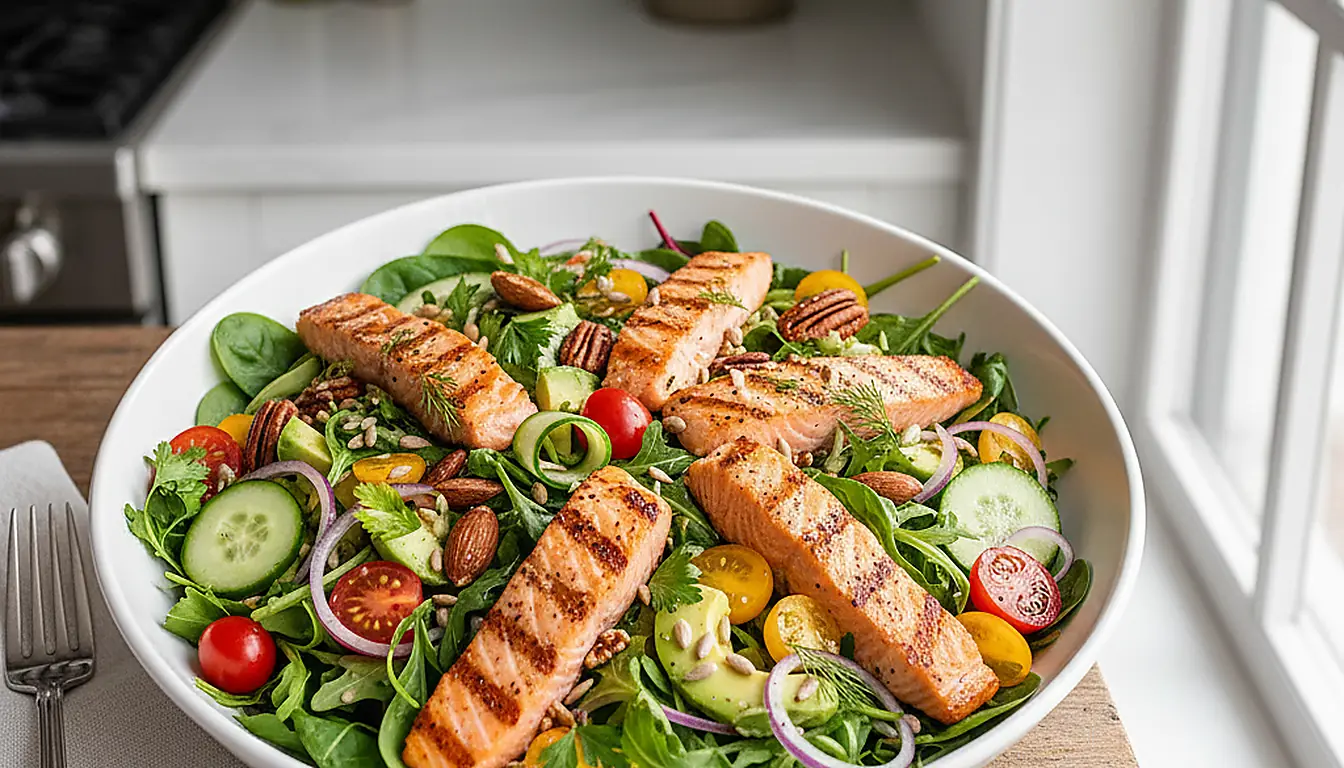
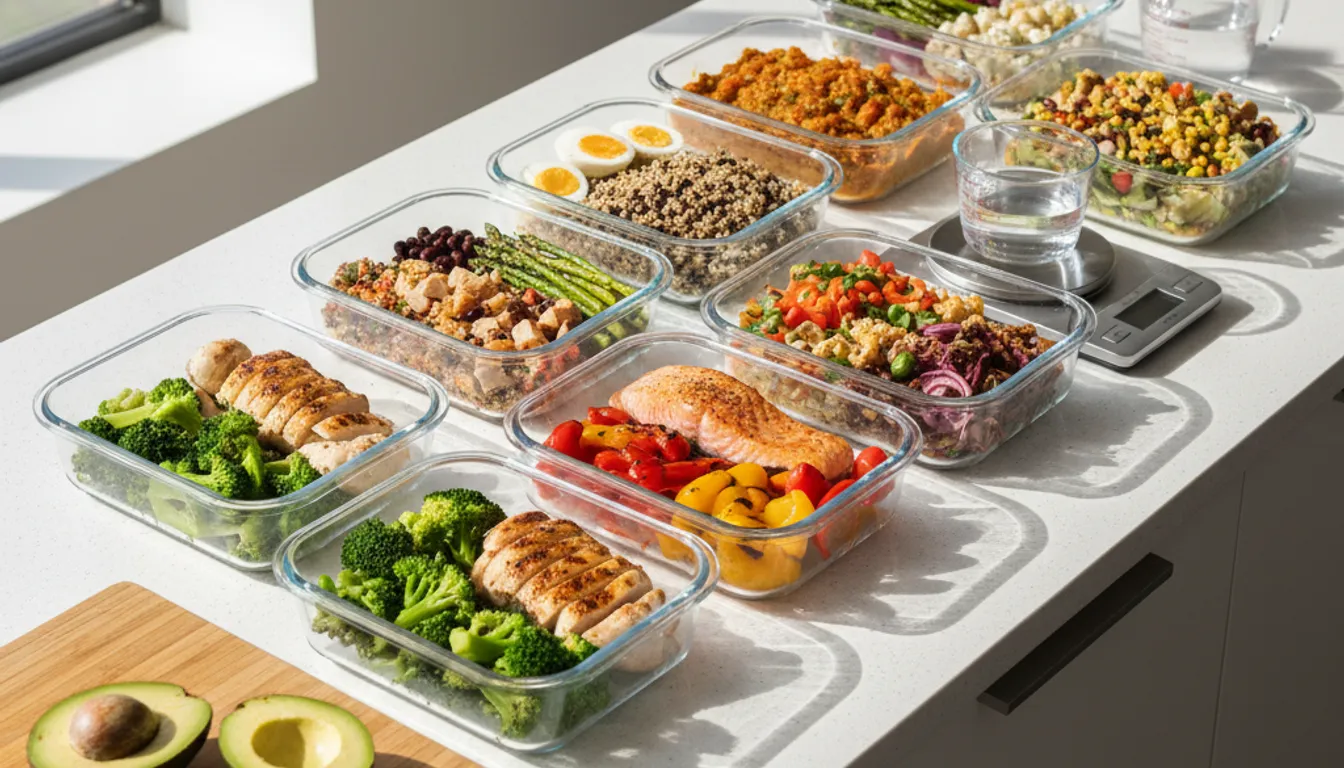
I get it. You’re scrolling through social media, seeing those “perfect” meal prep photos, and feeling… overwhelmed. That used to be me. I’d stare at those pristine containers of chicken and broccoli, thinking, “There’s NO way I have the time or energy for that.” And honestly? I was right.
Most meal prep guides are so complicated, they’re designed to fail you. They’re usually full of fancy ingredients, obscure cooking methods, and unrealistic promises that leave you feeling defeated before you even start. But then, after a particularly brutal break-up (the kind where you eat ice cream directly from the carton, in your pajamas, at 3 p.m.), I knew something had to change. I needed to feel good again, inside and out.
That’s when I finally cracked the code to high-protein meal prep for weight loss that actually works – not just for a week, but for lasting results. This isn’t about deprivation or endless hours in the kitchen. It’s about smart strategies, simple ingredients, and a powerful secret weapon: protein. And yes, it helped me melt away 10 pounds and, more importantly, keep it off for good.
Ready to discover how to make meal prep your ally, not your enemy? Let’s dive in.
The Problem With Most Meal Prep “Plans”
Before we get to the solution, let’s acknowledge why so many people struggle with meal prep. It’s not you; it’s the approach!
- Overly Complicated Recipes: Many plans demand gourmet-level cooking skills and ingredients you can only find at specialty stores. Who has time for that on a Sunday afternoon?
- Rigid Schedules: “Eat this exact meal at this exact time.” Life happens! A strict plan leaves no room for spontaneity, social events, or simply not feeling like eating chicken and broccoli for the fifth day in a row.
- Lack of Flavor and Variety: Bland, repetitive meals are a one-way ticket to giving up. If your food isn’t enjoyable, you won’t stick with it.
- Unrealistic Time Commitment: Spending an entire day cooking can be daunting. Most people need a system that fits into a busy lifestyle, not one that demands a full-time chef’s schedule.
- Focus on Deprivation: Many plans emphasize what you can’t have, leading to feelings of restriction and eventual rebound eating.
My approach addresses these pitfalls head-on, focusing on simplicity, flexibility, and deliciousness.
Why High Protein Is Your Secret Weapon for Weight Loss
If there’s one nutritional cornerstone for sustainable weight loss and maintenance, it’s protein. Here’s why it’s so powerful:
- Satiety & Reduced Cravings: Protein is incredibly filling. It helps you feel fuller for longer, reducing the urge to snack unnecessarily and curbing those pesky cravings that often derail weight loss efforts. When you’re satisfied, you’re less likely to overeat.
- Boosted Metabolism (Thermic Effect of Food): Your body uses more energy to digest and metabolize protein compared to fats or carbohydrates. This is known as the “thermic effect of food” (TEF), and it means you burn slightly more calories just by eating protein-rich foods.
- Muscle Preservation: When you’re in a calorie deficit for weight loss, your body can sometimes break down muscle tissue along with fat. Adequate protein intake helps protect your lean muscle mass. Why is this important? Muscle burns more calories at rest than fat, so preserving it is crucial for maintaining a healthy metabolism and preventing weight regain.
- Stable Blood Sugar: Protein helps slow down the absorption of carbohydrates, leading to more stable blood sugar levels. This prevents energy crashes and subsequent cravings for sugary foods.
By making protein a priority in your meals, you’re not just cutting calories; you’re optimizing your body’s natural processes to support fat loss and long-term health.
My 7-Day High-Protein Meal Prep Blueprint (That Actually Works!)
This isn’t a rigid, day-by-day menu. Instead, it’s a flexible framework designed to make high-protein eating simple, sustainable, and enjoyable. The goal is to set yourself up for success without feeling chained to your kitchen.
The Core Principles:
- Batch Cook Your Proteins: This is the cornerstone. Cook enough lean protein (chicken breast, ground turkey, fish, lentils, beans, tofu) for 3-4 days at a time.
- Prep Your Veggies: Wash, chop, and store a variety of non-starchy vegetables. Roasting a big batch of broccoli, bell peppers, and zucchini is also a game-changer.
- Smart Carbs: Cook a batch of complex carbohydrates like quinoa, brown rice, or sweet potatoes.
- Healthy Fats: Have sources readily available – avocados, nuts, seeds, olive oil.
- Flavor Boosters: Don’t forget herbs, spices, and low-calorie sauces (salsa, hot sauce, mustard) to keep things interesting.
Your Weekly Prep Strategy:
Dedicate 1-2 hours on a Sunday (or your preferred prep day) to get ahead.
- Choose 2-3 Protein Sources: For example, bake chicken breasts, cook a pot of lentils, and grill some salmon.
- Roast or Chop Veggies: Fill a sheet pan with your favorite vegetables and roast them. Simultaneously, chop raw veggies for salads or quick stir-fries.
- Cook a Grain: Prepare a large batch of quinoa or brown rice.
- Assemble Components: Instead of full meals, focus on preparing *components*. This allows for flexibility later in the week.
- Portion & Store: Use airtight containers. Store proteins, carbs, and veggies separately or in meal-sized portions.
The Plot Twist: The Power of Flexibility
This is where my plan differs from the rest. The reason most people fail isn’t a lack of willpower; it’s a lack of flexibility. Life happens, and a plan that can bend without breaking is a plan you’ll stick with.
- Mix-and-Match Meals: Instead of strict recipes, think of your prepped components as building blocks.
- Example: Cooked chicken + roasted veggies + quinoa = a balanced bowl.
- Example: Cooked chicken + chopped raw veggies + light dressing = a quick salad.
- Example: Cooked lentils + roasted veggies + a dollop of Greek yogurt = a hearty vegetarian meal.
- The “Emergency Meal” Strategy: Always have one or two quick, healthy options on hand for those days when you just can’t bring yourself to cook or assemble. Think canned tuna, frozen edamame, hard-boiled eggs, or a protein shake.
- Strategic Eating Out: Don’t avoid social situations! Look for high-protein, veggie-rich options on menus. Ask for sauces on the side, choose grilled over fried, and don’t be afraid to customize.
- Listen to Your Body: If you’re truly not hungry, don’t force a meal. If you’re genuinely craving something, find a healthier way to satisfy it (e.g., dark chocolate instead of a candy bar).
This flexibility reduces the mental load and makes healthy eating feel less like a chore and more like a natural part of your life.
Recipe Inspiration: My Go-To High-Protein Meals
Here are some simple, delicious, and versatile ideas to get you started. Remember, the key is to prep components, not necessarily full meals.
Breakfast Ideas:
- Overnight Protein Oats: Mix rolled oats, protein powder, chia seeds, and milk (dairy or non-dairy). Top with berries and a sprinkle of nuts. Prep 3-4 jars at once.
- High-Protein Egg Muffins: Whisk eggs with chopped veggies (spinach, bell peppers), a dash of milk, and a sprinkle of cheese. Bake in a muffin tin. Grab-and-go perfection.
- Greek Yogurt Parfait: Layer plain Greek yogurt (high in protein!), berries, and a small amount of granola or chopped nuts.
Lunch & Dinner Staples:
- Chicken & Veggie Power Bowls: Combine pre-cooked shredded chicken, roasted sweet potatoes, steamed green beans, and a drizzle of olive oil and lemon juice.
- Lean Ground Turkey & Quinoa Skillet: Brown ground turkey with onions and peppers, then stir in pre-cooked quinoa and a can of diced tomatoes. Season with taco seasoning for a Mexican twist or Italian herbs for a Mediterranean feel.
- Baked Salmon & Asparagus: Quick to cook fresh, or bake a larger piece of salmon to flake into salads or serve with prepped grains and veggies.
- Lentil & Vegetable Curry: A hearty vegetarian option. Cook lentils with coconut milk, curry powder, and a mix of pre-chopped vegetables like cauliflower, carrots, and spinach.
Smart Snacks:
- Hard-boiled eggs (prep a dozen at the start of the week)
- Cottage cheese with fruit
- Apple slices with a tablespoon of nut butter
- Protein shake (whey, casein, or plant-based)
- A handful of almonds or walnuts
Troubleshooting Common Meal Prep Pitfalls
Even with the best intentions, challenges can arise. Here’s how to tackle them:
-
“I get bored with the same food!”
Solution: Embrace variety within simplicity. Change up your seasonings (e.g., taco seasoning one day, Italian herbs the next). Rotate your protein sources. Use different sauces or dressings. The mix-and-match approach is key here.
-
“I don’t have enough time to prep.”
Solution: Start small. Even prepping just one component (like cooking a batch of chicken) can save you time later. Use pre-cut veggies from the store. Invest in a slow cooker or instant pot for hands-off cooking. Remember, 1 hour of prep can save you 5 hours of decision-making and last-minute cooking during the week.
-
“My food goes bad before I can eat it all.”
Solution: Don’t prep for a full 7 days if you’re worried. Aim for 3-4 days of fresh prep, then cook a second batch mid-week. Freeze portions of cooked protein or grains for later in the week or next week. Store items in airtight containers.
-
“I feel deprived and end up binging.”
Solution: This is often a sign of overly restrictive eating. Ensure your meals are satisfying and include a good balance of protein, fiber-rich carbs, and healthy fats. Allow for occasional treats in moderation, rather than making them forbidden. The goal is sustainable eating, not perfection.
Client Spotlight: How Sarah Transformed Her Meal Prep
Sarah, a busy marketing professional, came to me feeling defeated by her previous attempts at meal prep. She’d tried several popular plans, only to find herself ordering takeout by Wednesday, feeling guilty and frustrated.
We started with my flexible high-protein blueprint. Instead of a rigid menu, we focused on:
- Batch cooking two lean proteins (chicken and lentils) on Sunday.
- Roasting a large tray of mixed vegetables and chopping fresh salad greens.
- Cooking a big pot of quinoa.
- Creating a “flavor station” with different spices, salsas, and light dressings.
Sarah quickly discovered the power of mixing and matching. One day, her chicken, quinoa, and roasted veggies became a warm power bowl. The next, the chicken and fresh greens turned into a vibrant salad. She even used the lentils for a quick, hearty soup on a cold evening.
The result? Sarah felt empowered, not restricted. She no longer dreaded mealtime decisions. She consistently hit her protein goals, felt fuller, and had more energy. Within a month, she reported feeling lighter, more confident, and had shed 8 pounds without feeling like she was on a “diet.” More importantly, she learned a sustainable way to eat healthy that fit seamlessly into her demanding schedule.
The Final Word
Melting away 10 pounds and keeping it off wasn’t about a magic pill or an unsustainable crash diet. It was about understanding the power of protein, simplifying my approach to food, and building a flexible system that worked for my real life. This 7-day high-protein meal prep blueprint isn’t just about losing weight; it’s about gaining control, confidence, and a sustainable way to nourish your body.
You don’t need to be a chef, and you don’t need endless hours. Start small, stay consistent, and embrace the power of protein. Your future, healthier self will thank you.
Frequently Asked Questions
How much protein do I need for weight loss?
A good general guideline for weight loss is to aim for 0.7 to 1 gram of protein per pound of your target body weight. For example, if you aim for 140 pounds, target 98-140 grams of protein per day. It’s best to distribute this intake across your meals and snacks.
Is losing 10 lbs in 7 days healthy or realistic?
While the initial drop in weight can be significant, especially if you’re reducing processed foods and water retention, losing 10 lbs of pure fat in 7 days is generally not realistic or healthy. The initial rapid weight loss often includes water weight. This plan focuses on sustainable habits that lead to gradual, healthy fat loss and long-term maintenance, which is far more important than a quick, unsustainable drop.
What if I don’t like cooking?
You don’t need to be a gourmet chef! This plan emphasizes simple cooking methods like baking, grilling, and slow cooking. Utilize pre-chopped vegetables, rotisserie chicken, or canned beans to minimize hands-on time. The goal is efficiency, not culinary mastery.
Can I adapt this for vegetarian or vegan diets?
Absolutely! Focus on plant-based protein sources like lentils, beans, chickpeas, tofu, tempeh, edamame, seitan, and plant-based protein powders. Many of the principles (batch cooking, veggie prep, flexibility) remain the same.
How do I prevent my prepped food from getting soggy or bland?
Store components separately when possible (e.g., dressing on the side, sauces separate from grains). Allow food to cool completely before sealing in airtight containers to prevent condensation. Reheat gently, and always add fresh herbs or a squeeze of lemon/lime juice before eating to brighten flavors.