The first time my lower back seized up, I was twenty-eight, fresh out of a yoga class, and reaching for a bag of organic kale chips. One sharp, searing bolt of pain, and *bam* — I was on the floor, unable to move. It felt like someone had driven a hot poker into my spine. I remember the exact fluorescent lighting of the grocery store, the mortified looks from other shoppers, and the crushing feeling that I was officially old.

Table of Contents
- Why Pilates?
- My “Aha!” Moment With Pilates
- Client Story: Maria’s Transformation
- The Exact Pilates Routine I Followed (and You Can, Too)
- My “Plot Twist” Moment: The Power of Breathing
- My Own “I’ve Been There” Moments
- Beyond Pilates: Additional Tips for Lower Back Pain Relief
- Client Success Story: John Found Relief
- Frequently Asked Questions About Pilates for Lower Back Pain
- Pilates for Lower Back Pain: Your Next Chapter
That was the beginning of a long, frustrating journey of doctors’ appointments, physical therapy sessions that didn’t quite hit the mark, and a constant, low-grade ache that settled into my life like an unwelcome houseguest. I tried everything. Chiropractic adjustments, massage therapy, painkillers… you name it. Nothing seemed to stick. That is, until I discovered the magic of pilates for lower back pain.
Why Pilates?
Look, I get it. The word “pilates” might conjure images of super-bendy, impossibly toned people gracefully contorting their bodies on fancy machines. And while that can be true, the core principles of pilates are actually perfect for rehabilitating and strengthening a wonky lower back. It’s all about controlled movements, precise form, and strengthening your core – the very foundation of your body. Think of it like building a house: without a strong foundation, the whole thing is going to crumble. Your core is *that* foundation.
Pilates focuses on:
- Core Strength: Pilates exercises target deep abdominal muscles, the ones that often get neglected.
- Flexibility: Gentle stretches in pilates increase range of motion and loosen tight muscles, a real bonus if you’re battling lower back pain.
- Posture: Improving posture can seriously alleviate pressure on the spine.
- Muscle Balance: Pilates helps address imbalances by strengthening weaker muscles and stretching tight ones.
I wish I’d known all of this years ago.
My “Aha!” Moment With Pilates
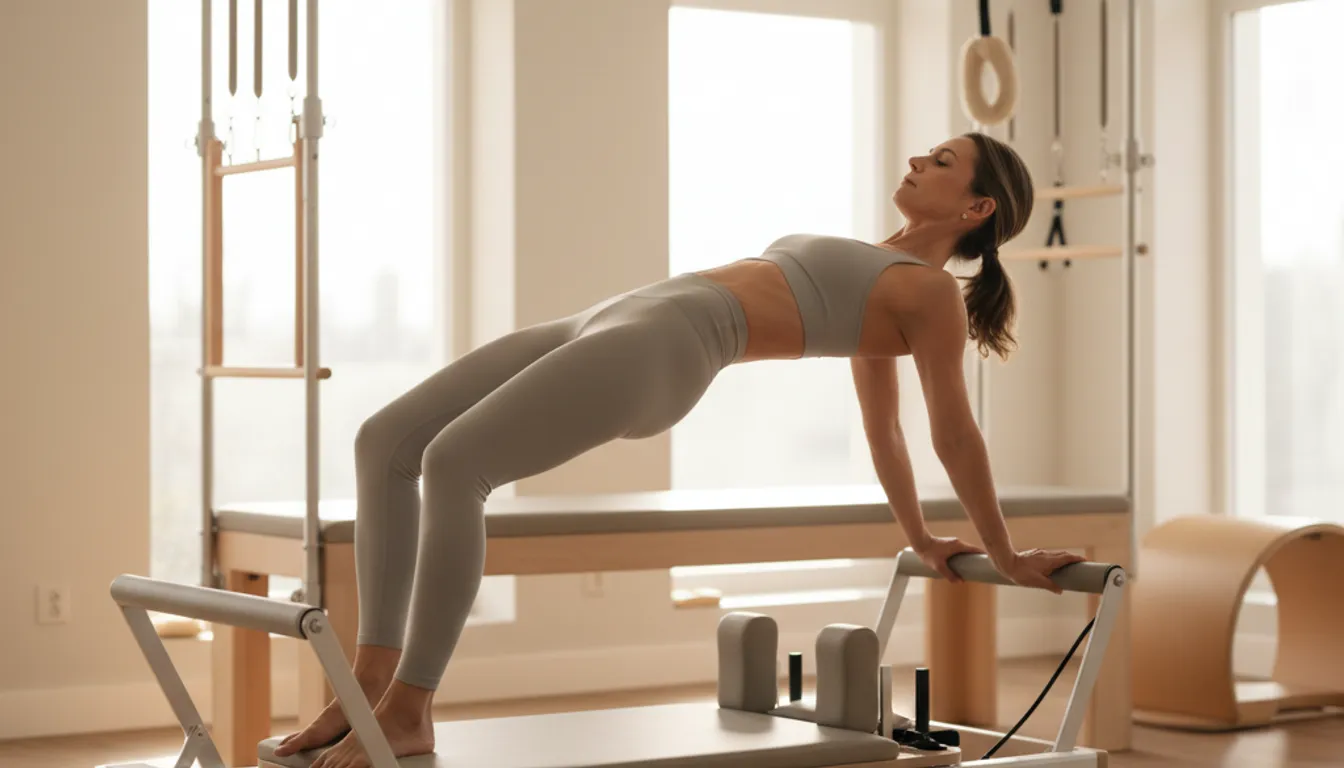
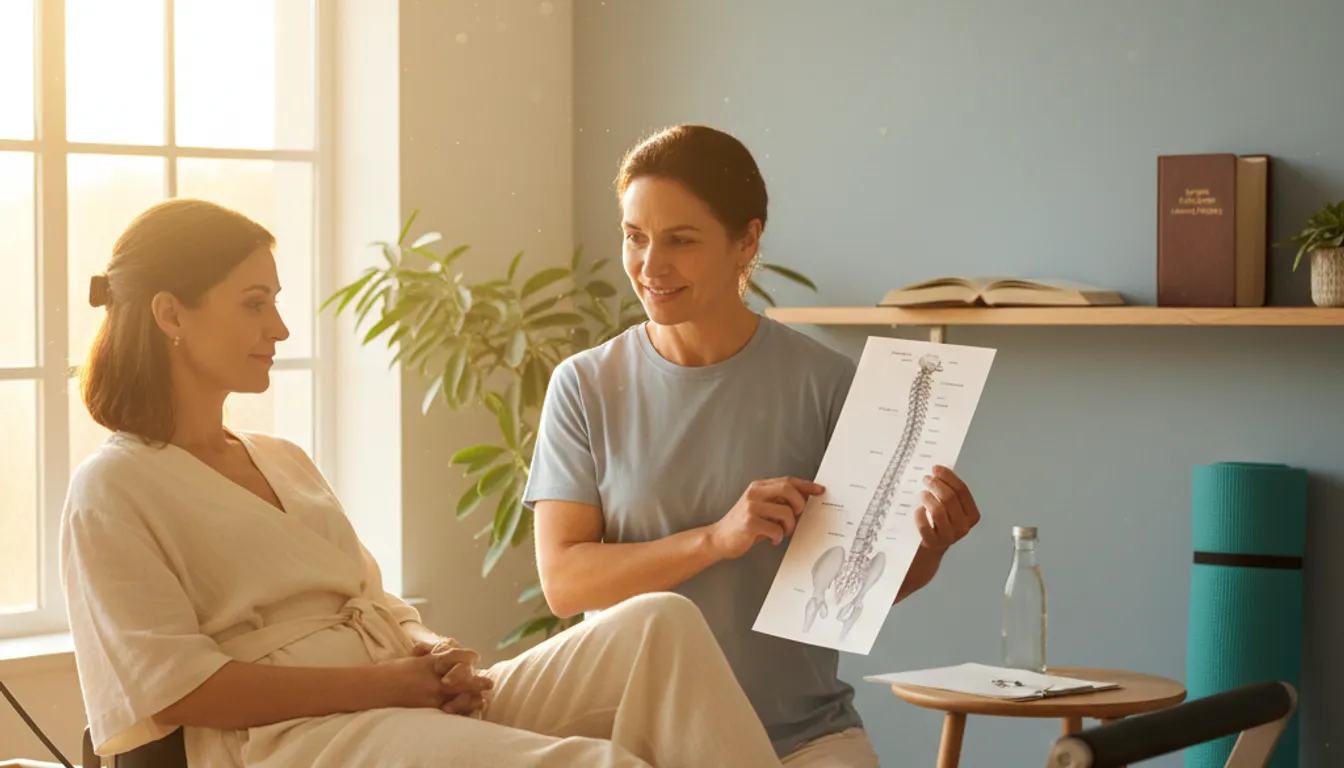
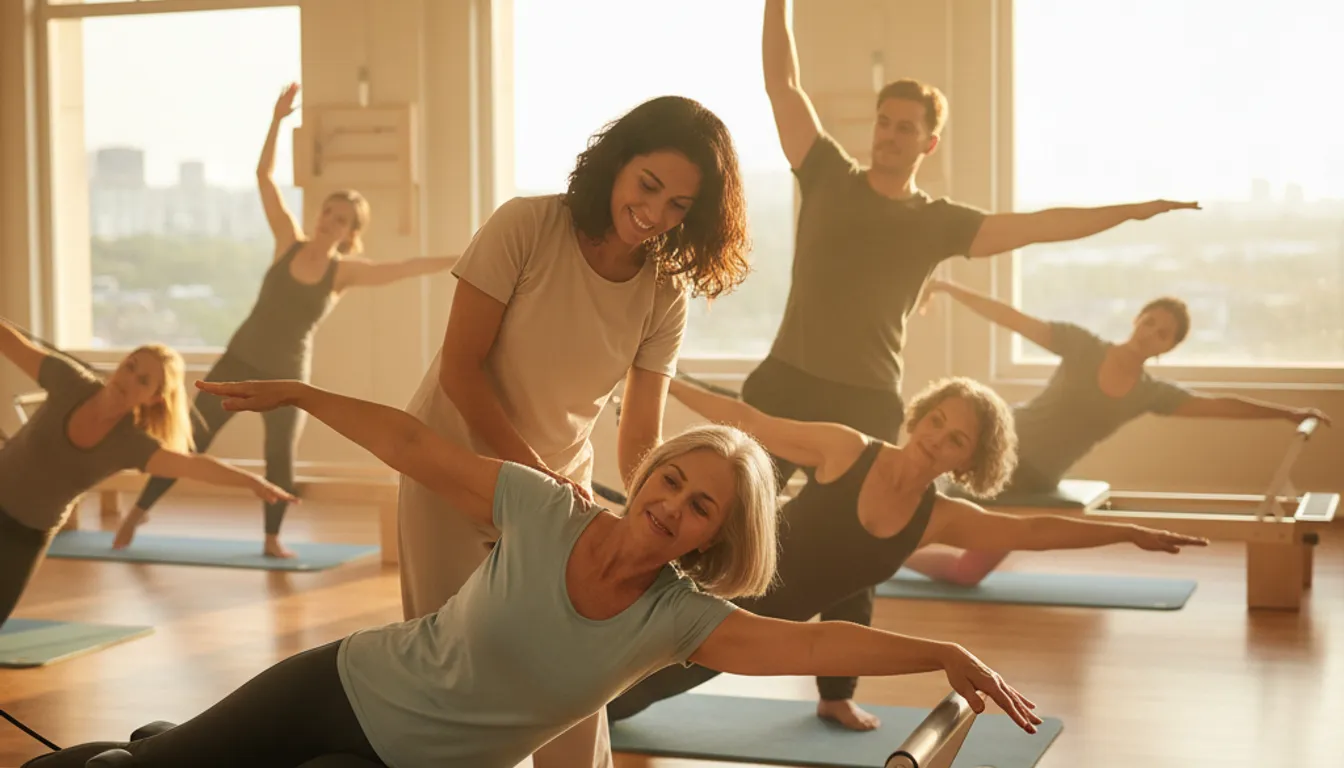
After months of frustration, I stumbled upon a small pilates studio near my house. I was skeptical, to be honest. But the instructor, a woman named Sarah, had a gentle demeanor and a no-nonsense approach that I immediately connected with. She took the time to understand my specific issues, listen to my concerns, and tailor the exercises to my needs. That personalized approach, which felt like something other professionals missed, was the game-changer.
I remember the first exercise she had me do: the pelvic tilt. Sounds simple, right? It’s where you lie on your back, knees bent, and gently rock your pelvis forward and backward. But as I focused on engaging my core and moving with control, I felt something shift. A tiny unlocking sensation, like rusty gears finally turning. And a glimmer of hope that maybe, just maybe, I could find relief from my lower back pain.
This wasn’t just about exercises; Sarah also helped me understand how to manage lower back pain through my daily habits. She gave me tips on posture while I sat at my desk, lifting heavy groceries, and even while I slept. I started making small tweaks, and the cumulative impact was incredible.
Client Story: Maria’s Transformation
I’m a big believer in the power of shared experiences, so let me introduce you to one of my clients, Maria. She’s a 52-year-old accountant who spent most of her day hunched over a computer. For years, she battled chronic lower back pain. Like me, she tried everything. Physical therapy, painkillers, even injections. But nothing worked.
When Maria first came to me, she could barely stand for more than a few minutes without being in agony. After only a few months of consistent pilates, she was not only pain-free but also had more energy and a newfound confidence. Her posture improved, she gained core strength, and she felt like a completely different person. She’s now a huge advocate for pilates, often telling anyone who will listen about her experience. The joy of helping people like Maria is something I never take for granted.
The Exact Pilates Routine I Followed (and You Can, Too)
Ready to try it yourself? Here’s the beginner-friendly pilates routine that worked wonders for me. Start slow, listen to your body, and don’t push yourself too hard. Consistency is key.
Disclaimer: Please consult with your doctor or physical therapist before starting any new exercise program, especially if you have pre-existing conditions or severe pain.
Warm-Up (5 minutes)
- Pelvic Tilts: Lie on your back, knees bent, feet flat on the floor. Gently rock your pelvis forward and backward, engaging your core muscles.
- Cat-Cow Stretch: Start on your hands and knees. Alternate between arching your back like a cat (rounding your spine) and dropping your belly toward the floor (cow pose).
Core Strengthening (15 minutes)
- Hundred: Lie on your back, legs extended and hovering above the floor (or bent at 90 degrees if this is too challenging), and arms straight at your sides. Pump your arms up and down as you inhale for five counts and exhale for five counts. Repeat ten times.
- Single Leg Circles: Lie on your back with one leg extended towards the ceiling. Circle the leg out to the side, down, and back up, engaging your core and keeping your pelvis stable. Repeat 5-10 times on each leg.
- Roll-Ups (modified): Lie on your back with your knees bent. Slowly curl your head and shoulders off the mat, reaching your arms forward and engaging your core. Slowly roll back down, one vertebra at a time. If this is too difficult, start with just a neck lift.
Stretching (10 minutes)
- Spine Twist: Sit tall with your legs crossed, your back straight. Inhale and twist your torso to the right, placing your right hand behind you and your left hand on your right knee. Exhale and return to the center. Repeat on the left side.
- Knee to Chest Stretch: Lie on your back and bring your knees to your chest, hugging them gently. Hold for 30 seconds.
- Child’s Pose: Kneel on the floor with your knees hip-width apart and your big toes touching. Sit back on your heels, fold forward, and rest your forehead on the floor. Extend your arms forward or alongside your body, and hold for 30-60 seconds.
My “Plot Twist” Moment: The Power of Breathing
Okay, here’s a surprise I discovered on my journey. It wasn’t just the exercises that helped me overcome pilates for lower back pain; it was the way I learned to breathe.
See, in pilates, breathing isn’t just an afterthought; it’s an integral part of every movement. You inhale to prepare, and exhale to engage your core and perform the exercise. When you exhale, you gently draw your belly button toward your spine, activating those deep abdominal muscles that support your back. Learning to breathe correctly significantly enhanced the effectiveness of the exercises and helped me release tension, making each movement more mindful. It’s a game-changer!
My Own “I’ve Been There” Moments
The journey to healing my back wasn’t a straight line. There were days when the pain was so bad I couldn’t get out of bed. There were moments of frustration, self-doubt, and the overwhelming feeling that I’d be stuck in this cycle of pain forever. I remember one particularly rough patch. I was on a trip, and I made a wrong move, and *boom* — I was sidelined for days.
But then, I remembered the advice that Sarah gave me, and I started practicing my routine, breathing deep, and focusing on the connection between my mind and body. The pain didn’t disappear instantly, but it gradually subsided. And the more I practiced, the stronger I became.
It’s important to remember that progress isn’t always linear. There will be setbacks. But the key is to keep going, to be kind to yourself, and to celebrate every small victory. You’ve got this.
Beyond Pilates: Additional Tips for Lower Back Pain Relief
While pilates was the cornerstone of my recovery, I also incorporated other strategies to support my healing journey. It’s like a holistic approach, a comprehensive approach to managing lower back pain.
- Proper Posture: Be mindful of your posture throughout the day. Sit up straight, stand tall, and avoid slouching.
- Ergonomics: If you work at a desk, make sure your workstation is set up ergonomically. Your chair should support your back, and your monitor should be at eye level.
- Stress Management: Stress can exacerbate back pain. Incorporate stress-reducing activities like meditation, deep breathing exercises, and spending time in nature. Remember [[The Power of Self-Compassion: A Practical 10-Minute Exercise]].
- Movement Breaks: Take regular breaks to get up and move around, especially if you sit for long periods. Do some light stretching or take a short walk every hour.
- Sleep Hygiene: Ensure you get enough sleep, use a supportive mattress and pillows, and sleep in a position that supports your spine.
Client Success Story: John Found Relief
I want you to meet John, a 45-year-old construction worker. His job involved heavy lifting, bending, and a lot of physical strain. Unsurprisingly, he suffered from chronic lower back pain. It had affected his ability to work, and his quality of life plummeted.
John started incorporating pilates into his routine, along with lifestyle adjustments. His strength, flexibility, and overall well-being improved dramatically. He learned how to move with more awareness, protect his back, and listen to his body. Today, John is back on the job, living a more active life, and advocating for the amazing benefits of pilates for lower back pain.
Hearing about success stories keeps me going. It reminds me why I got into this field in the first place. My heart swells when I see people transform their lives.
Frequently Asked Questions About Pilates for Lower Back Pain
Here are some of the most common questions I get from clients:
Is pilates safe for lower back pain?
Yes, in most cases, it’s a safe and effective exercise. However, it’s crucial to consult with your doctor or physical therapist before starting. They can assess your specific condition and provide personalized guidance.
How often should I do pilates for back pain?
For best results, aim for 2-3 pilates sessions per week, and combine it with other healthy lifestyle practices.
Can pilates cure lower back pain?
Pilates can be highly effective in reducing pain, improving strength, and increasing flexibility. However, it’s not a one-size-fits-all cure. It’s essential to approach it as part of a comprehensive recovery plan that may include other treatments and lifestyle adjustments.
What if I don’t have access to a pilates studio?
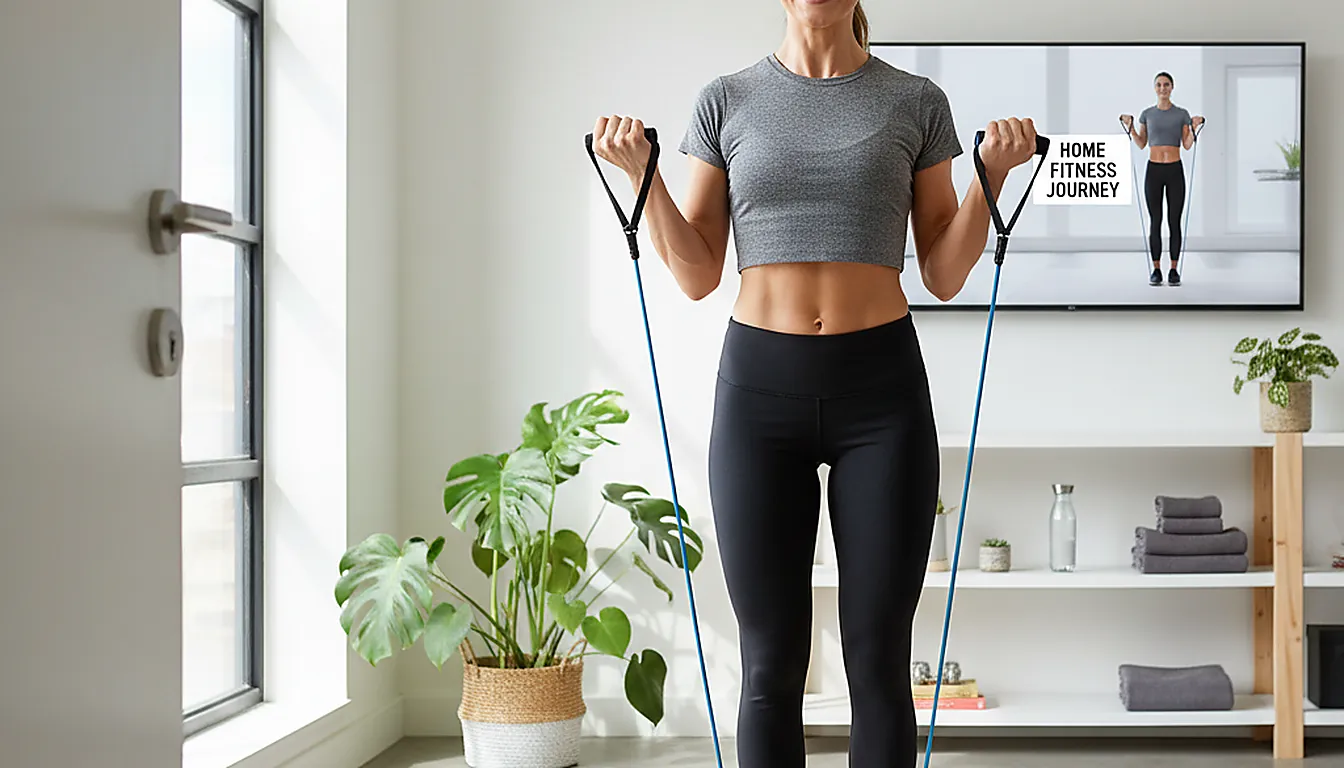
Don’t worry! You can easily find online pilates classes that you can do at home. There are tons of free and paid options available on platforms like YouTube and specialized fitness apps. Just make sure the instructor is qualified and experienced.
How long will it take to see results?
Some people experience relief within a few weeks, while others take a few months. It depends on your individual condition, the severity of your pain, and how consistently you practice. But trust me, be patient, and the results will come.
Should I still seek medical help?
Absolutely. Always consult a healthcare professional to rule out any underlying conditions or to assess the severity of your pain. Pilates is a fantastic complement to medical treatments, but it’s not a replacement for professional medical advice.
Pilates for Lower Back Pain: Your Next Chapter
I know firsthand how debilitating lower back pain can be. It can rob you of your energy, your joy, and your ability to live life to the fullest. But I also know that healing is possible. Pilates, with its focus on core strength, flexibility, and mindful movement, gave me my life back. And it can do the same for you.
Start today. Even just ten minutes a day can make a difference. Listen to your body, be patient with yourself, and celebrate every step forward. You’re strong, you’re capable, and you deserve to live a pain-free life.