Key Takeaways & Nutritional Summary:
- The Xenohormesis Hypothesis: Plants synthesize polyphenols under environmental stress; consuming them stimulates protective cellular survival genes in mammals.
- Sirtuin (SIRT1) Activation: Polyphenols like resveratrol and quercetin stimulate NAD+-dependent deacetylases that regulate DNA repair and mitochondrial homeostasis.
- Anthocyanin Neuroprotection: Dark blue and purple pigments cross the blood-brain barrier, accumulating in the hippocampus to support memory retention.
- Endothelial Nitric Oxide: Flavonols from dark cacao and green tea epicatechins stimulate endothelial nitric oxide synthase (eNOS), lowering blood pressure.
The Evolution of Plant Chemical Defense
When a wild blackberry survives scorching ultraviolet rays, or a mountain grapevine endures arid droughts, they cannot run away from danger. Instead, plants synthesize sophisticated secondary metabolites?polyphenols?to protect their delicate cellular machinery from oxidative degradation. For decades, nutritionists assumed polyphenols worked simply as direct free radical sponges in the human stomach.
Modern molecular biology reveals a far more fascinating mechanism known as xenohormesis: when animals consume stressed plants, these phytochemicals act as mild, beneficial cellular stressors that stimulate ancient mammalian survival and longevity pathways.
The Sirtuin and Nrf2 Connection
Polyphenols interact directly with critical longevity enzymes:
- SIRT1 and Sirtuins: NAD+-dependent enzymes that deacetylate histones, repair broken double-stranded DNA, and stimulate mitochondrial biogenesis.
- Nrf2 Pathway: The master antioxidant switch. Phytochemicals activate Nrf2, prompting cells to synthesize their own potent internal antioxidants?including superoxide dismutase (SOD), catalase, and glutathione.
- AMPK Activation: Stimulates autophagy, the cellular recycling system that sweeps away damaged senescent organelles.
Top Longevity Polyphenols in the Daily Diet
Elevating daily polyphenol density is simple and flavorful:
| Phytochemical Class | Primary Sources | Primary Clinical Target |
|---|---|---|
| Anthocyanins | Wild blueberries, blackberries, red cabbage | Cerebral microcirculation & neurogenesis |
| Quercetin | Red onions, capers, unpeeled apples | Senolytic activity & mast cell stabilization |
| EGCG (Epigallocatechin Gallate) | Ceremonial Japanese matcha, loose green tea | Metabolic oxidation & cellular autophagy |
| Flavan-3-ols | 85%+ raw dark cacao, pure cocoa powder | Arterial elasticity & flow-mediated dilation |
Clinical Nutrition Pro-Tip:
Eat the skin! For organic fruits and vegetables like apples, pears, and eggplants, the outermost epidermal layer contains up to ten times the polyphenol concentration found in the interior flesh, where it defended the fruit against solar UV rays.
The Bottom Line on Plant Longevity
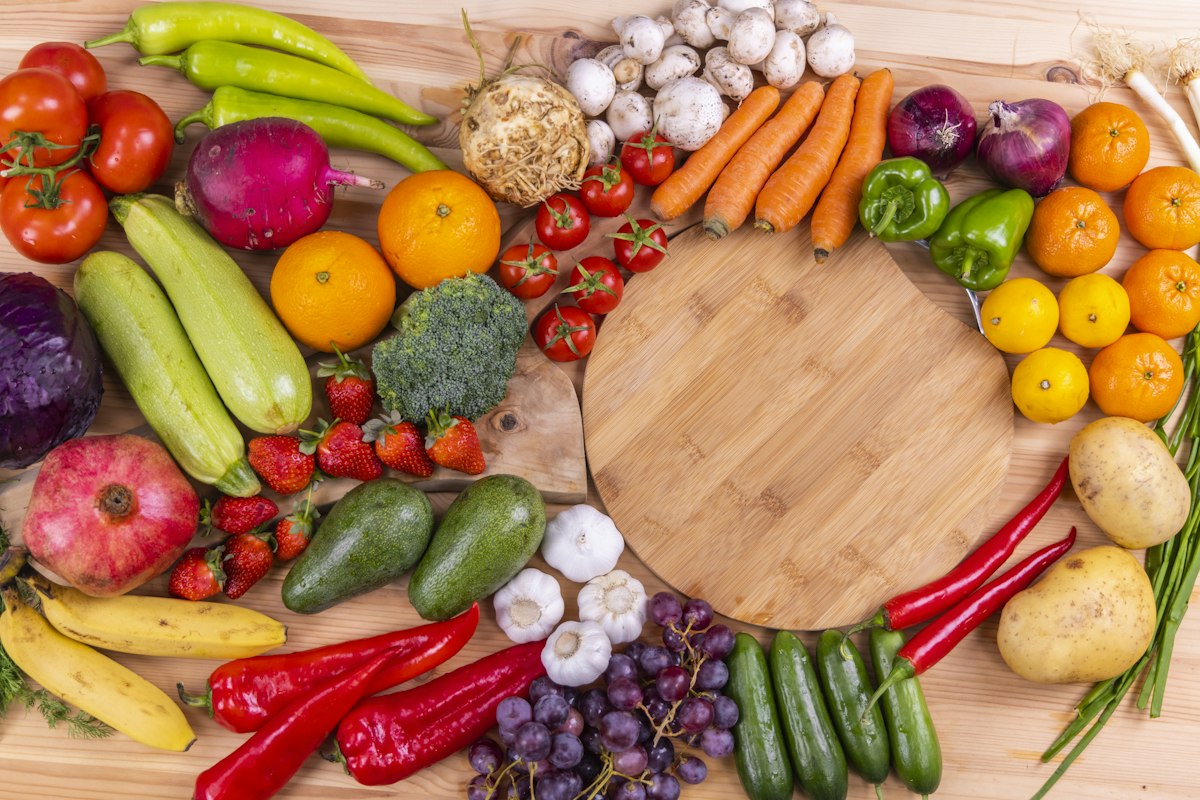
Color is a reliable marker of nutritional potency. ‘Eat the rainbow’ by curating deep blues, crimsons, purples, and rich greens into every meal to activate your body’s innate longevity enzymes.