Key Takeaways & Nutritional Summary:
- Anabolic Resistance: With advancing age, skeletal muscle becomes less responsive to small doses of amino acids, requiring higher protein thresholds to stimulate muscle repair.
- The Leucine Trigger: Essential amino acid leucine acts as the primary chemical ignition switch for the intracellular mTORC1 pathway; roughly 2.5 to 3.0 grams per meal is required.
- DIAAS Scoring: The Digestible Indispensable Amino Acid Score measures protein quality based on ileal amino acid digestibility and essential amino acid profiles.
- Meal Distribution Matters: Distributing protein into three or four 30-40g meals stimulates Muscle Protein Synthesis (MPS) throughout the day far more effectively than backloading at dinner.

The Challenge of Anabolic Resistance
Skeletal muscle mass and functional muscular strength are among the strongest biological predictors of all-cause mortality, fall prevention, and metabolic longevity. Between the ages of 30 and 80, the average sedentary individual loses roughly 30% of their total skeletal muscle mass?a degenerative condition known as sarcopenia.
A primary driver of sarcopenia is anabolic resistance: aging muscles require a significantly higher concentration of essential amino acids in the bloodstream to initiate the same muscle protein synthesis (MPS) that a young adult achieves with modest intake.
The Molecular Leucine Trigger and mTORC1
While all nine Essential Amino Acids (EAAs) are required to build new contractile muscle tissue, the branched-chain amino acid leucine serves as the molecular ignition key. Leucine binds to intracellular sestrin2 sensors, stimulating mTORC1 to trigger ribosomal translation.
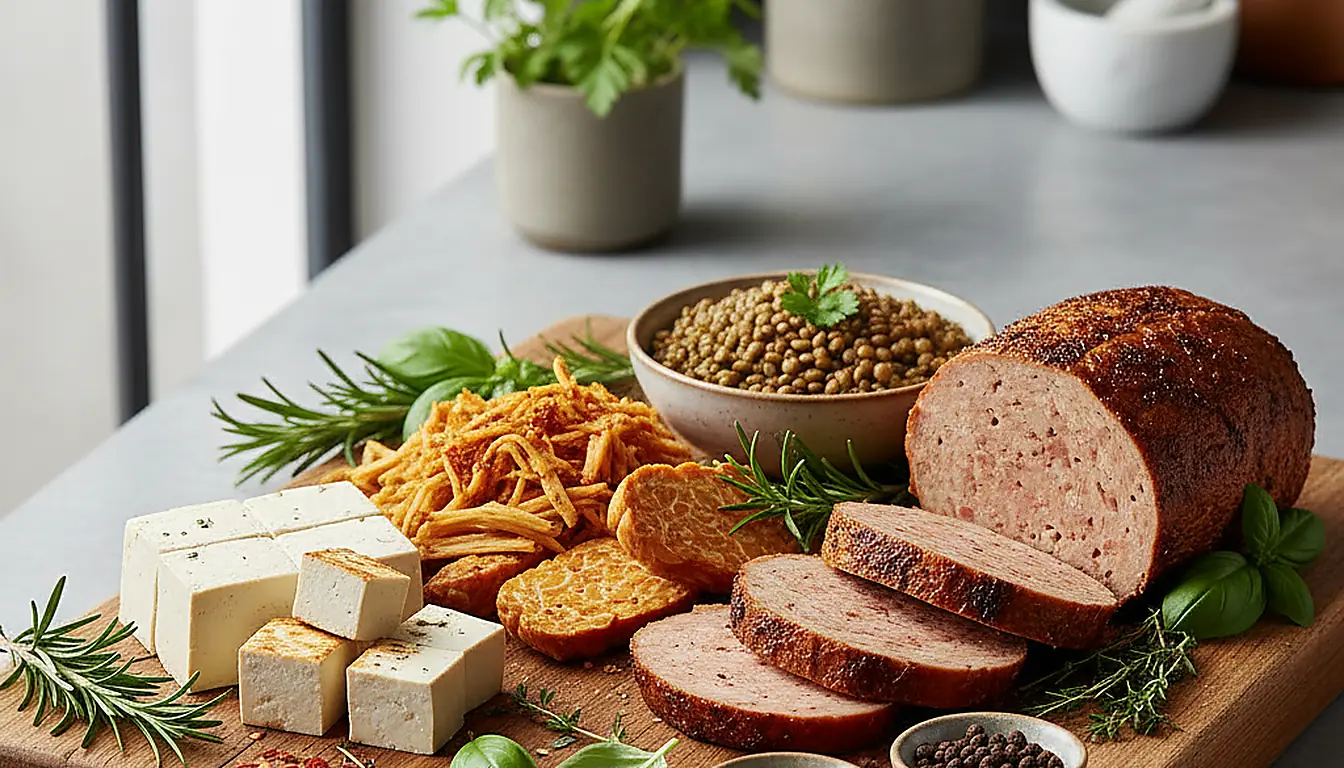
| Protein Source | Serving Size to Hit 3g Leucine | DIAAS Quality Score |
|---|---|---|
| Whey Protein Isolate | 25 – 30 grams | 1.30+ (Exceptional bioavailability) |
| Pastured Chicken Breast | 110 – 130 grams (4 oz) | 1.18 (Very High) |
| Whole Eggs | 4 – 5 large eggs | 1.13 (High) |
| Tofu / Tempeh | 250 – 300 grams (9-10 oz) | 0.90 (Requires larger serving volume) |
Optimizing Daily Distribution
The conventional modern pattern?consuming 10 grams of protein at breakfast, 15 grams at lunch, and 80 grams at dinner?is sub-optimal. The breakfast and lunch meals fail to reach the leucine threshold required to activate MPS. Distribute your total daily protein (aiming for 1.6 to 2.2 grams per kilogram of ideal body weight) evenly across three to four meals containing 30 to 45 grams each.
Clinical Nutrition Pro-Tip:
Prioritize protein at breakfast. A high-protein morning meal containing 35+ grams of protein suppresses ghrelin (the hunger hormone) and stabilizes dopaminergic satiety circuits, dramatically reducing late-night cravings.
The Bottom Line on Muscular Longevity
Muscle is the metabolic currency of longevity. Honor your muscular framework by reaching the leucine threshold at each meal with high-quality protein sources to maintain strength and vitality across every decade of life.