I swear, I was this close to sobbing in the supplement aisle at Whole Foods last year. I’d spent a small fortune on pre-workout powders and protein bars, convinced that was the missing link to, well, anything resembling a workout routine. I had a gym membership I wasn’t using, a closet full of Lululemon that felt like a costume, and a serious case of “fitness imposter syndrome.”
Sound familiar? If you’re anything like I was, the thought of strength training probably brings up a mental image of grunting bodybuilders, complicated machines, or an intimidating environment. Maybe you’ve tried to start before, only to feel lost, overwhelmed, or just plain discouraged.
But I’m here to tell you: it doesn’t have to be that way. It shouldn’t be that way. This is the year you finally get serious about strength training for beginners. No more excuses, no more intimidation. Just a simple, effective plan to build strength, boost your confidence, and feel amazing in your own skin. I’m talking a real transformation, not just a fleeting resolution.
In the next seven days, we’ll strip away the complexity and give you a clear, actionable roadmap to kickstart your strength journey. By the end of this week, you won’t just feel stronger; you’ll know you’re stronger, both physically and mentally. Let’s dive in!
Why Strength Training? Beyond Just “Getting Strong”
Before we jump into the “how,” let’s talk about the “why.” Strength training offers a wealth of benefits that extend far beyond just building visible muscle. It’s truly one of the most impactful forms of exercise you can incorporate into your life.
- Boosts Metabolism: Muscle tissue burns more calories at rest than fat tissue. Building muscle means your body becomes a more efficient calorie-burning machine, even when you’re not working out.
- Enhances Bone Density: As we age, our bones can become weaker. Strength training puts healthy stress on your bones, stimulating them to become denser and stronger, significantly reducing the risk of osteoporosis and fractures.
- Improves Body Composition: It helps reduce body fat while increasing lean muscle mass, leading to a more toned and defined physique. This isn’t just about aesthetics; it’s about a healthier body.
- Increases Confidence and Mental Well-being: There’s an incredible sense of accomplishment that comes with lifting heavier or mastering a new exercise. This translates into increased self-esteem, reduced stress, and improved mood.
- Prevents Injuries: Strong muscles support your joints, improve balance, and enhance overall stability, making you less susceptible to everyday aches, pains, and injuries.
- Better Everyday Function: From carrying groceries to playing with kids, strength training makes daily tasks feel easier and more effortless.
Forget the stereotype of the intimidating gym. Strength training is for everyone, and its benefits are universal.
Your 7-Day Blueprint: Demystifying Beginner Strength Training
The goal for your first week is not to become a powerlifter, but to build a solid foundation, learn proper form, and establish consistency. We’ll focus on full-body workouts that engage multiple muscle groups, ensuring you get the most bang for your buck.
The Core Principles of Your First Week
- Focus on Form Over Weight: This is paramount. Performing exercises with correct technique prevents injury and ensures you’re targeting the right muscles. Start with bodyweight or very light weights.
- Listen to Your Body: Some muscle soreness (DOMS – Delayed Onset Muscle Soreness) is normal, especially when starting. However, sharp pain is not. If something hurts, stop and reassess.
- Consistency is Key: Showing up for your scheduled workouts, even when you don’t feel like it, is how habits are built and progress is made.
- Progressive Overload (Even Small Steps): Once an exercise feels too easy, you can slightly increase the reps, sets, or resistance. But for your first week, simply mastering the movement is enough.
The Essential Beginner-Friendly Exercises (with Form Tips)
These exercises are foundational. Master them, and you’ll have a fantastic base for any future strength training program.
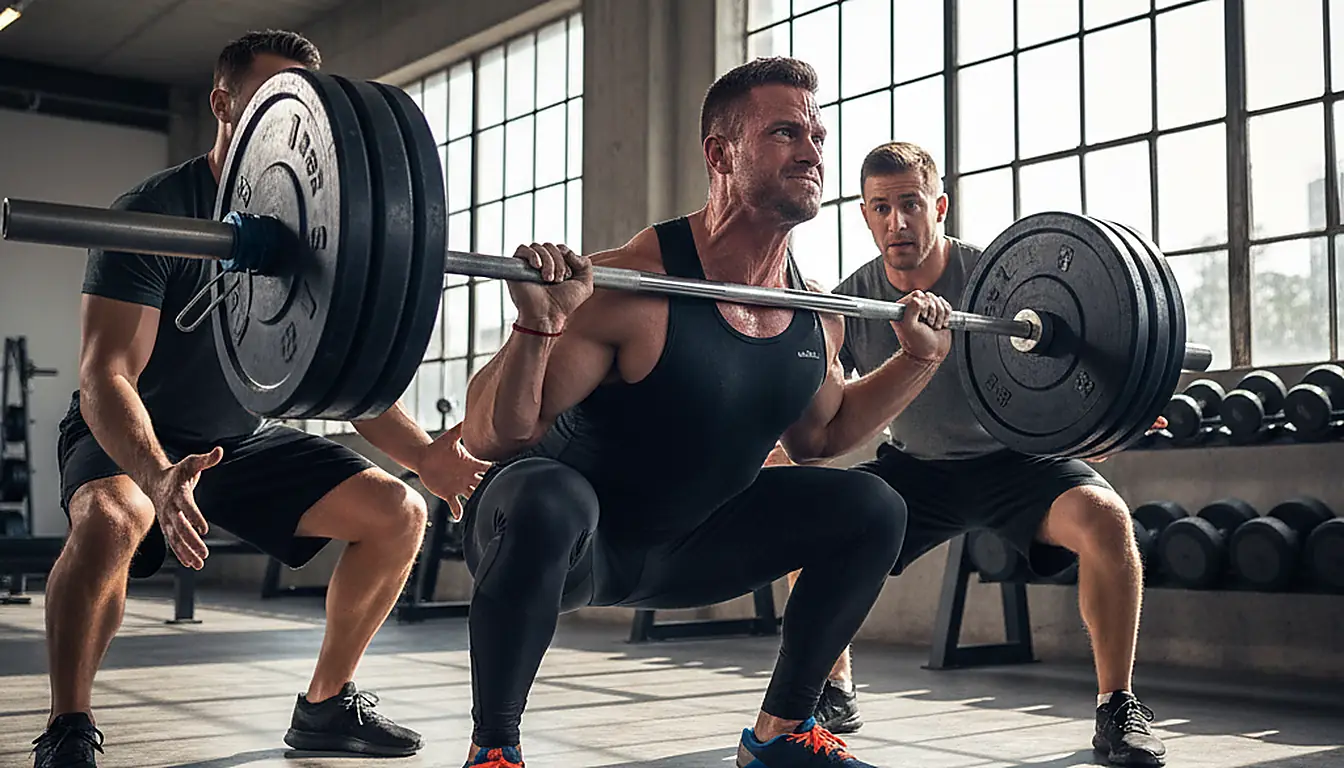
- Squats:
- How to: Stand with feet shoulder-width apart, toes slightly out. Lower your hips as if sitting in a chair, keeping your chest up and back straight. Go as deep as comfortable, ideally until your thighs are parallel to the floor. Push through your heels to stand back up.
- Tip: Imagine pushing your knees out slightly as you descend. Keep your core engaged.
- Lunges:
- How to: Step forward with one leg, lowering your hips until both knees are bent at approximately a 90-degree angle. Your front knee should be directly over your ankle, and your back knee should hover just above the floor. Push off your front foot to return to the starting position. Alternate legs.
- Tip: Keep your torso upright and avoid leaning forward.
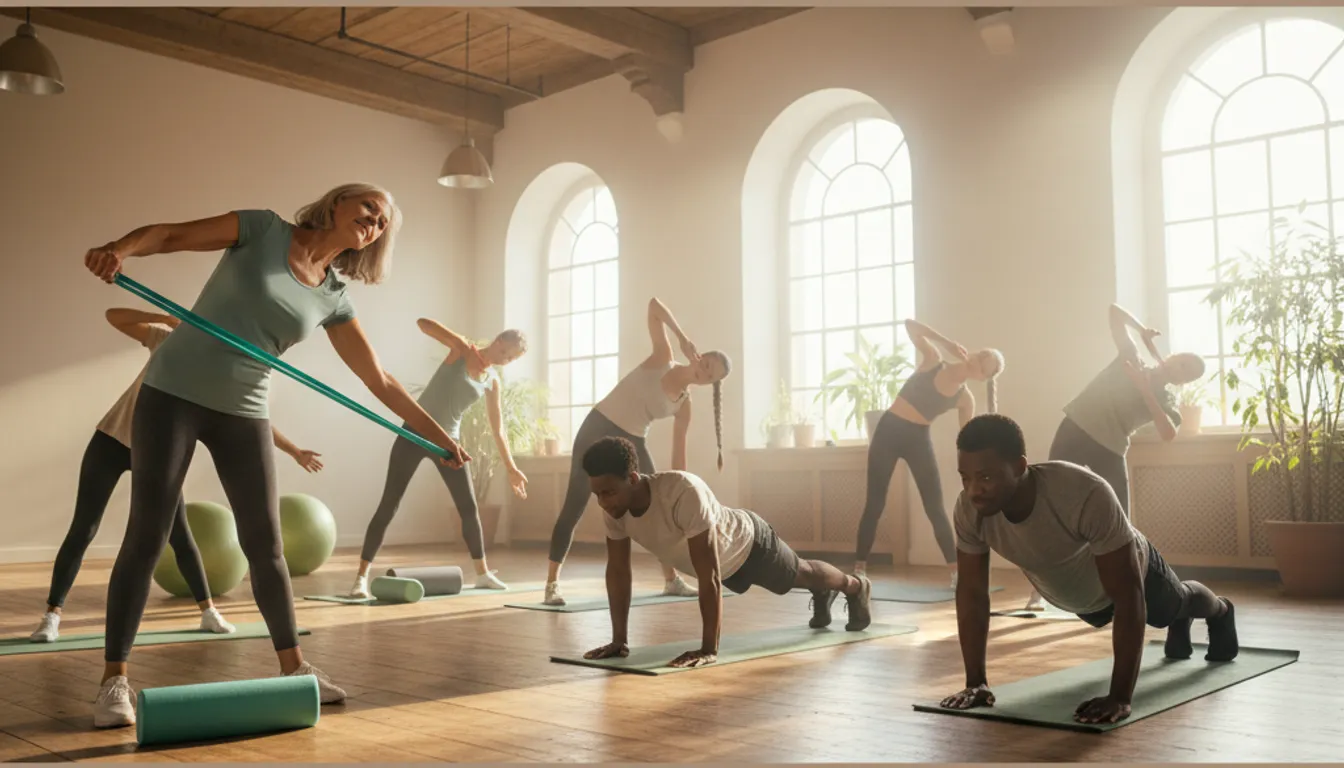
- Push-ups (Modified):
- How to: Start on your hands and knees, hands slightly wider than shoulder-width apart. Lower your chest towards the floor, keeping your body in a straight line from head to knees. Push back up. If this is too easy, try on your toes. If too hard, try against a wall or elevated surface.
- Tip: Keep your elbows pointing slightly back, not flared out to the sides. Engage your core to prevent your hips from sagging.
- Plank:
- How to: Start in a push-up position, then lower onto your forearms. Keep your body in a straight line from head to heels, engaging your core, glutes, and quads. Avoid letting your hips sag or pike up.
- Tip: Imagine pulling your belly button towards your spine. Hold for 20-30 seconds, rest, and repeat.
- Glute Bridges:
- How to: Lie on your back with knees bent, feet flat on the floor hip-width apart, and arms by your sides. Press through your heels and lift your hips off the floor until your body forms a straight line from shoulders to knees. Squeeze your glutes at the top. Lower slowly.
- Tip: Focus on squeezing your glutes, not just pushing with your lower back.
- Dumbbell Rows (Bent-Over Rows):
- How to: Hold a light dumbbell in one hand. Hinge at your hips, keeping your back straight and core engaged, until your torso is nearly parallel to the floor. Let the dumbbell hang. Pull the dumbbell up towards your hip, squeezing your shoulder blade. Lower with control. Support yourself with your free hand on a bench or your knee.
- Tip: Keep your back flat and avoid rounding. Focus on pulling with your back muscles, not just your arm.
Sample 7-Day Workout Schedule
This schedule prioritizes full-body workouts with adequate rest and recovery. Remember, this is a template; adjust based on how your body feels.
- Day 1: Full Body Workout A
- Squats: 3 sets of 10-12 reps
- Push-ups (modified): 3 sets of as many reps as possible (AMRAP) with good form
- Glute Bridges: 3 sets of 12-15 reps
- Plank: 3 sets, hold for 20-30 seconds
- Day 2: Active Recovery / Rest
- Light walk, stretching, yoga, or complete rest.
- Day 3: Full Body Workout B
- Lunges: 3 sets of 8-10 reps per leg
- Dumbbell Rows: 3 sets of 10-12 reps per arm (use light dumbbells)
- Squats: 3 sets of 10-12 reps
- Plank: 3 sets, hold for 20-30 seconds
- Day 4: Rest
- Day 5: Full Body Workout A (or B, if you prefer variety)
- Repeat Day 1’s workout, or if you feel ready, try Day 3’s. Focus on improving form or slightly increasing reps.
- Day 6: Active Recovery / Rest
- Day 7: Rest & Reflection
- Reflect on your week. How do you feel? What did you learn? Prepare for the next week!
My Journey: From Imposter Syndrome to Inner Strength
That story about almost crying in the supplement aisle? That was me. For years, I cycled through gym memberships, trendy diets, and fitness fads, always feeling like I was just playing dress-up. The gym felt like a foreign country, and the idea of “strength training” was utterly terrifying. I’d watch others effortlessly lift weights and think, “I could never do that.”
My turning point wasn’t some grand epiphany, but a quiet frustration. I was tired of feeling weak, both physically and mentally. I started with bodyweight squats in my living room, then wall push-ups. I felt awkward, my form was probably terrible, and I was sore in places I didn’t know existed. But I kept showing up.
The “triumphs” weren’t immediate. They were small: doing a proper push-up on my knees, then eventually on my toes. Lifting a slightly heavier dumbbell. Realizing I could carry all the groceries in one trip without struggling. But the biggest triumph wasn’t physical at all. It was the shift in my mindset. The “I can’t” slowly transformed into “I’m trying” and then, eventually, “I can.”
This journey taught me that strength isn’t about looking a certain way; it’s about what your body can do, and more importantly, what your mind believes it can do. If I could overcome my fitness imposter syndrome and start building genuine strength, so can you. Your journey will be unique, but the rewards of showing up for yourself are universal.
Quick Tips for Lasting Success
To make your 7-day transformation stick and evolve into a sustainable lifestyle, keep these tips in mind:
- Prioritize Nutrition: Fuel your body with whole foods, especially adequate protein to support muscle repair and growth. Stay hydrated!
- Get Enough Sleep: Muscles grow and repair when you rest. Aim for 7-9 hours of quality sleep each night.
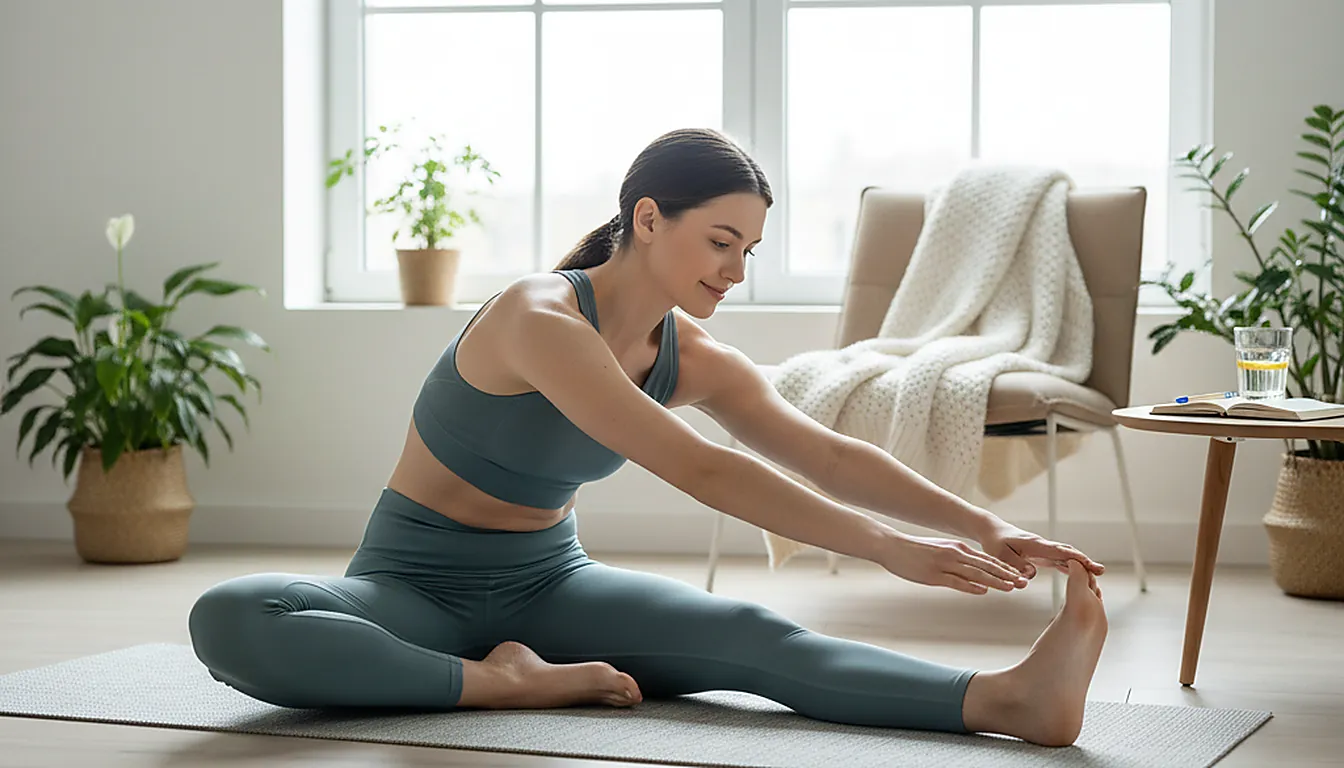
- Warm-Up and Cool-Down: Always start with 5-10 minutes of light cardio and dynamic stretches. End with static stretches to improve flexibility and aid recovery.
- Track Your Progress: Use a notebook or an app to log your workouts – exercises, sets, reps, and weights. Seeing your progress is incredibly motivating.
- Be Patient and Consistent: Results don’t happen overnight. Trust the process, celebrate small victories, and remember that consistency is more important than intensity in the beginning.
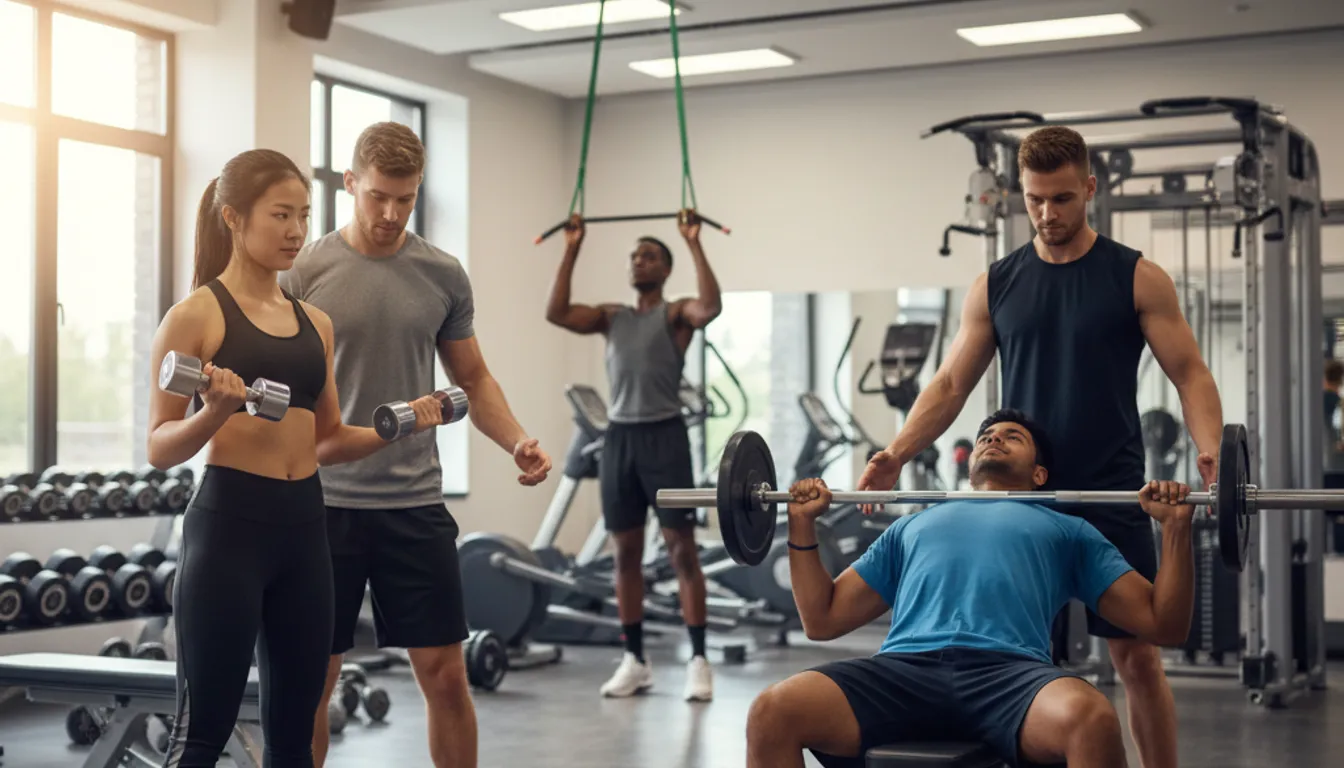
- Consider Professional Guidance: If you’re unsure about form or want a personalized plan, consider investing in a few sessions with a certified personal trainer.
You’ve taken the first, most crucial step by reading this. Now, it’s time to act. Your 7-day beginner strength training transformation starts today. Embrace the challenge, listen to your body, and get ready to discover the incredible strength that’s already within you. You’ve got this!