Okay, let’s be real. We’ve all been there, staring at ourselves in the mirror, wondering, “Why is my skin STILL dry?” You’re slathering on moisturizer like it’s going out of style, but your face feels like the Sahara Desert. It’s frustrating, right? Trust me, I get it. I used to have this *amazing* (or so I thought) moisturizer that promised the world. Hydration! Radiance! The fountain of youth in a jar! But after weeks of religious application, my skin was still flaky and dull. I felt like I was being catfished by my own skincare routine!
Table of Contents
- Understanding Your Skin’s Needs
- Know Your Skin Type
- What Are You *Really* Trying to Achieve?
- The Real Reasons Your Moisturizer Isn’t Cutting It
- 1. It’s Not the Right Formula for Your Skin Type
- 2. You’re Not Exfoliating Regularly
- 3. You’re Applying It at the Wrong Time
- 4. You’re Not Using Enough (or You’re Using Too Much!)
- 5. Your Skin Barrier Is Damaged
- 6. The Ingredients Aren’t Up to Snuff
- The Simple Fix: A Step-by-Step Guide to Moisturizer Success
- Bonus Tip: The Power of Hydration
So, what gives? Why isn’t your trusty moisturizer living up to its promises? Well, my friends, there’s usually a perfectly logical explanation. And the good news? It’s often a pretty simple fix. Let’s dive in and uncover the mysteries of the ineffective moisturizer and get you on the road to happy, hydrated skin.
Understanding Your Skin’s Needs
Before we start diagnosing the problem, let’s talk about what your skin *actually* needs. We’re all different, and what works for your best friend might not work for you. One size definitely does *not* fit all when it comes to skincare. Think of it like finding the right jeans – you gotta know your measurements!
Know Your Skin Type
Seriously, knowing your skin type is the first crucial step. Are you oily, dry, combination, or sensitive? If you’re not sure, there are a few simple tests you can do at home. A quick Google search for “skin type test” will give you plenty of options. Or, you can wash your face and observe how it feels throughout the day. Does it get shiny? Tight? Or somewhere in between?
What Are You *Really* Trying to Achieve?
Are you battling dryness, acne, redness, or something else? Different skin concerns require different ingredients. For example, if you’re dealing with redness, look for moisturizers with soothing ingredients like chamomile or aloe vera. If acne is your nemesis, opt for oil-free formulas with ingredients like salicylic acid.
The Real Reasons Your Moisturizer Isn’t Cutting It
Alright, let’s get down to the nitty-gritty. Here are some of the most common culprits behind moisturizer fails:
1. It’s Not the Right Formula for Your Skin Type
This is a big one. If you have oily skin and you’re using a heavy, creamy moisturizer, you’re basically asking for clogged pores and breakouts. Conversely, if you have dry skin and you’re using a lightweight gel, it’s just not going to provide enough hydration. I learned this the hard way. I used a rich moisturizer during the summer months one year and it was a grease slick!
2. You’re Not Exfoliating Regularly
Think of your skin like a freshly paved road. If you’ve got a layer of dead skin cells sitting on the surface, your moisturizer can’t penetrate properly. Exfoliating helps to remove those dead cells, allowing your moisturizer to do its job. But don’t overdo it! Over-exfoliating can damage your skin barrier. Aim for 1-2 times a week.
3. You’re Applying It at the Wrong Time
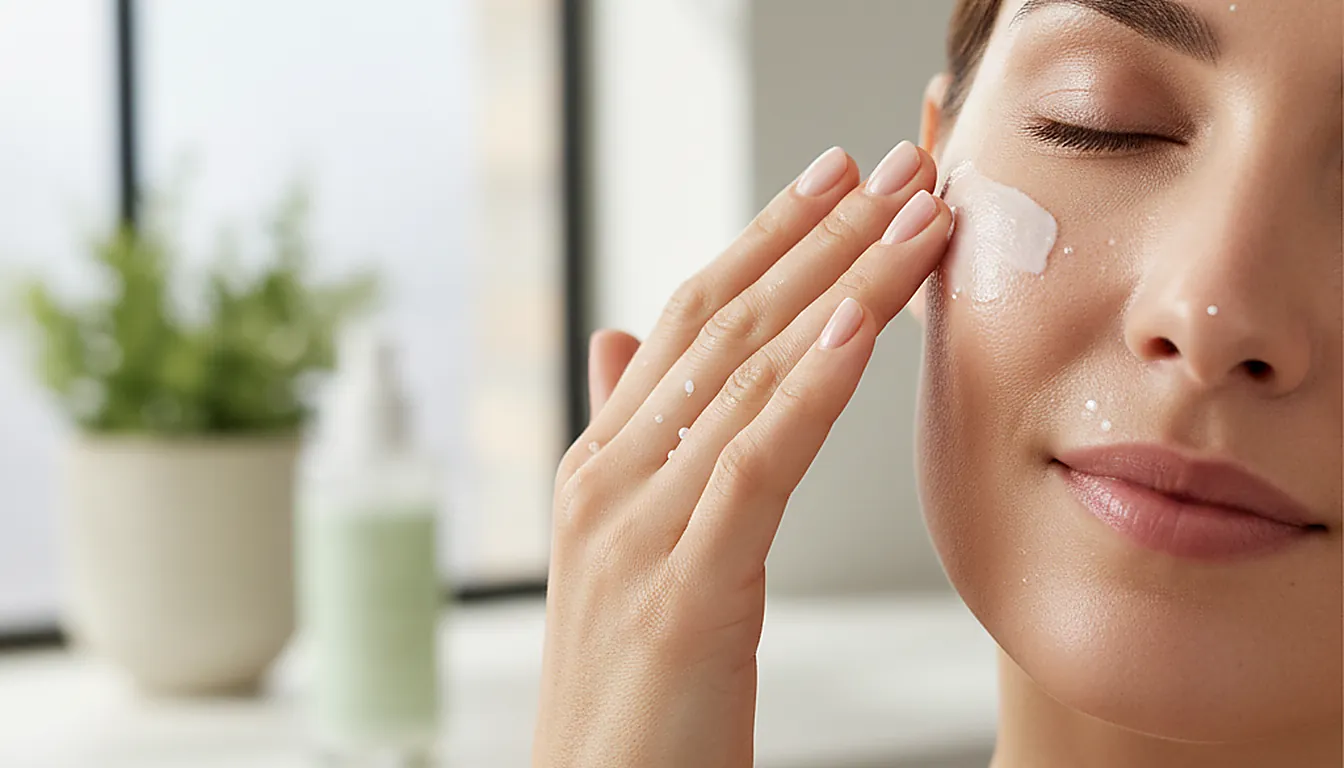
Timing is everything! The best time to apply moisturizer is immediately after cleansing, while your skin is still damp. This helps to lock in moisture. I like to apply mine within a minute or two of getting out of the shower. Pat your skin dry *gently* and then slather it on!
4. You’re Not Using Enough (or You’re Using Too Much!)
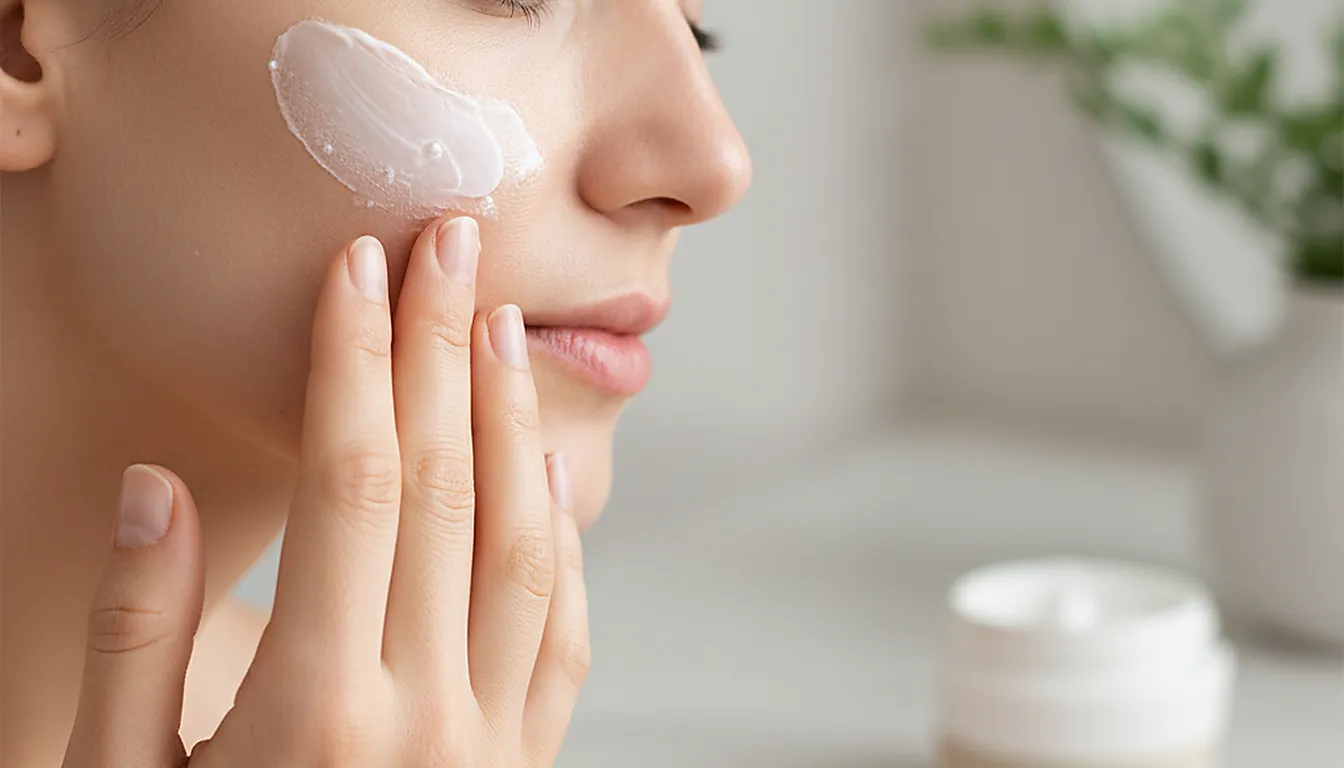
Finding the right amount of moisturizer is a delicate balancing act. If you’re not using enough, your skin will still feel dry and tight. If you’re using too much, your skin might feel greasy and clogged. A good rule of thumb is to start with a pea-sized amount and adjust from there. Apply more to drier areas and less to oilier areas. It’s all about listening to your skin!
5. Your Skin Barrier Is Damaged
Your skin barrier is like a protective shield that keeps moisture in and irritants out. If it’s damaged (from over-exfoliating, harsh chemicals, or sun damage), your skin will have a hard time retaining moisture, no matter how much moisturizer you use. Focus on repairing your skin barrier with gentle products and avoiding harsh treatments. Look for ingredients like ceramides and fatty acids.
6. The Ingredients Aren’t Up to Snuff
Not all moisturizers are created equal. Some are packed with amazing, hydrating ingredients, while others are… well, not so much. Look for moisturizers with humectants (like hyaluronic acid and glycerin), emollients (like shea butter and oils), and occlusives (like beeswax and petrolatum). These ingredients work together to attract moisture, soften the skin, and seal it in.
The Simple Fix: A Step-by-Step Guide to Moisturizer Success
Okay, enough with the problems. Let’s talk solutions! Here’s my simple, foolproof guide to getting the most out of your moisturizer:
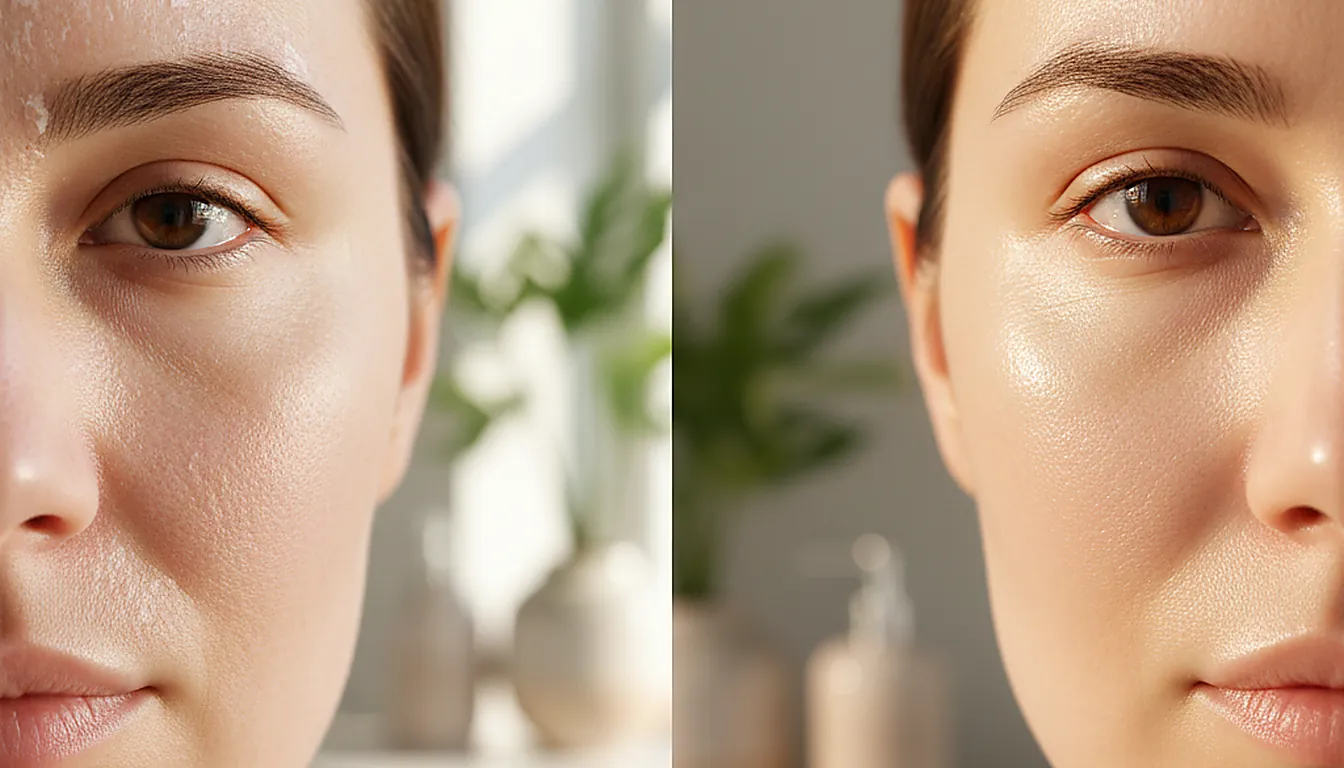
This small shift made a visible difference.
- Identify Your Skin Type: Seriously, do it!
- Choose the Right Moisturizer: Based on your skin type and concerns.
- Exfoliate Regularly: But gently!
- Cleanse Gently: Avoid harsh soaps that strip your skin of its natural oils.
- Apply Moisturizer Immediately After Cleansing: While your skin is still damp.
- Use the Right Amount: Start with a pea-sized amount and adjust as needed.
- Protect Your Skin Barrier: Avoid harsh treatments and use gentle, hydrating products.
- Consider Adding a Serum: Serums can provide an extra boost of hydration and address specific skin concerns.
Bonus Tip: The Power of Hydration
Don’t forget the importance of internal hydration! Drinking plenty of water is essential for healthy, hydrated skin. Aim for at least eight glasses a day. Trust me, it makes a difference!
Product Recommendations (If Applicable)
While I can’t recommend specific products without knowing your skin type, I can suggest some ingredient categories to look for! If you’re struggling with dry skin, search for products that contain shea butter, hyaluronic acid, and ceramides. Oily skin? Try something lightweight and oil-free with salicylic acid! And if your skin is sensitive, be sure to patch test a small area before slathering it all over.
CBD and Skincare: A Potential Boost?
Now, you might be wondering about the buzz around CBD in skincare. While the research is still evolving, some studies suggest that CBD may have anti-inflammatory and antioxidant properties that could benefit the skin. Companies like CBDfx, Charlotte’s Web, and Cornbread Hemp offer a range of CBD-infused skincare products. If you’re curious, it might be worth exploring, but always do your research and consult with a dermatologist, especially if you have sensitive skin or existing skin conditions.
However, always remember to purchase CBD products from reputable sources that provide third-party lab testing results to ensure product quality and safety.
Final Thoughts: Listen to Your Skin!
The most important thing is to listen to your skin. Pay attention to how it feels and adjust your routine accordingly. Skincare is a journey, not a destination. It takes time and experimentation to find what works best for you. Don’t get discouraged if you don’t see results overnight. Be patient, be consistent, and be kind to your skin. And remember, hydrated, healthy skin is always in style!
And if you’re overwhelmed, don’t be afraid to see a dermatologist! They’re the experts and can help you create a personalized skincare plan. It’s an investment in your skin and your overall well-being.
Frequently Asked Questions
Why is it important to know my skin type when choosing a moisturizer?
Knowing your skin type (oily, dry, combination, or sensitive) is crucial because different skin types have different hydration needs. Using the wrong type of moisturizer can lead to issues like breakouts, clogged pores, or insufficient hydration.
How often should I exfoliate my skin to help my moisturizer work better?
Aim to exfoliate 1-2 times per week. Exfoliating removes dead skin cells, allowing your moisturizer to penetrate the skin more effectively. Over-exfoliating, however, can damage your skin barrier, so be gentle!
What’s the best time to apply moisturizer for optimal hydration?
The best time to apply moisturizer is immediately after cleansing, while your skin is still damp. This helps to lock in moisture and keeps your skin hydrated for longer.
What ingredients should I look for in a moisturizer for dry skin?
For dry skin, look for moisturizers with humectants (like hyaluronic acid and glycerin), emollients (like shea butter and oils), and occlusives (like beeswax and petrolatum). These ingredients work together to attract moisture, soften the skin, and seal it in.
Can CBD-infused skincare products help with hydration?
Some studies suggest that CBD may have anti-inflammatory and antioxidant properties that could potentially benefit the skin. However, research is ongoing, and it’s important to choose reputable brands with third-party lab testing and consult with a dermatologist before incorporating CBD into your skincare routine.
How much moisturizer should I use each time?
Start with a pea-sized amount and adjust from there, applying more to drier areas and less to oilier areas. The right amount will leave your skin feeling hydrated without feeling greasy or clogged.
Key Takeaways
- Understanding Your Skin’s Needs
- Know Your Skin Type
- What Are You *Really* Trying to Achieve?
- The Real Reasons Your Moisturizer Isn’t Cutting It
- 1. It’s Not the Right Formula for Your Skin Type