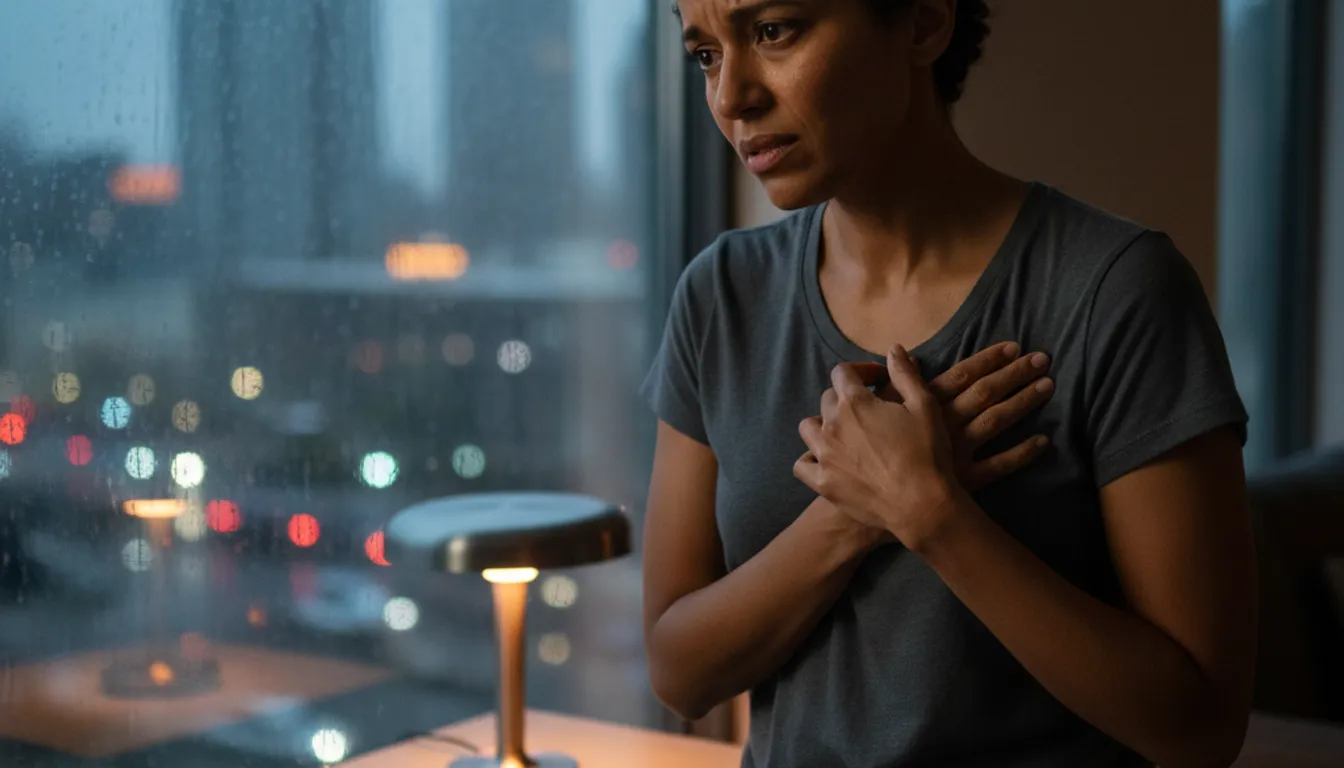
I remember the day I realized I was *really* struggling. I was standing in line at the grocery store, staring at a bag of organic kale, and suddenly, my chest tightened. My breath hitched. My palms started sweating. I felt this intense, overwhelming… *something*. And it wasn’t just a one-off thing. It was becoming my new normal. If you’ve been feeling this way, you’re not alone. In fact, you might be experiencing some of the signs of anxiety in adults.
Turns out, I wasn’t just “stressed” – I was in the thick of a full-blown anxiety spiral. I, a holistic nutritionist, a licensed esthetician, and someone who *preaches* about mental wellness, was blindsided. This article is all about helping you spot the sneaky, often-missed signs of anxiety in adults. We’re going to dive deep, and I promise, it’s going to be like chatting with a close friend who *gets* it. Let’s get started.
Table of Contents
- The Secret Language of Anxiety: Unmasking the Subtle Signs
- 1. The Overthinking Overload
- 2. Physical Manifestations
- 3. The Unshakeable Irritability
- 4. Sleep Disturbances
- 5. Social Withdrawal
- The “I’ve Been There” Moments
- A Client’s Story
- Diving Deeper: Uncovering the Root Causes
- 1. Underlying Health Conditions
- 2. Environmental Factors
- 3. Lifestyle Choices
- Finding Your Path: Actionable Steps to Take
- 1. Prioritize Self-Care
- Prioritize Sleep
- Nourish Your Body
- Move Your Body
- Practice Mindfulness
- 2. Seek Professional Help
- 3. Build Your Support System
- 4. Challenge Your Thoughts
- Identify the Thought
- Challenge the Thought
- Reframe the Thought
- 5. Experiment with Natural Remedies
- The Plot Twist: What I Learned on My Own Journey
- The Takeaway: You’re Not Broken
- FAQ
The Secret Language of Anxiety: Unmasking the Subtle Signs
The first thing to understand is that anxiety doesn’t always show up as a panic attack (though, believe me, I’ve had my share). Sometimes, it whispers. Sometimes, it hides. Sometimes, it’s masked by other issues. The truth is, there are many subtle signs of anxiety in adults that can be easily overlooked. Here are some of the most common ones.
1. The Overthinking Overload
Do you find yourself replaying conversations in your head, analyzing every word, every gesture? Do you spend hours worrying about things that might happen, playing out every worst-case scenario? This is a huge one. It’s like your brain is a broken record, constantly stuck on repeat. I used to lie awake at night, running through every tiny interaction of my day. *Did I say the wrong thing? Did they hate me?* It’s exhausting. If you’re struggling with this, you might be dealing with the beginning signs of anxiety in adults.
2. Physical Manifestations
Anxiety isn’t just a mental thing; it’s a *physical* one too. Think:
- Headaches
- Stomach problems
- Muscle tension
- Fatigue
- Changes in appetite
These are all potential signs of anxiety in adults. A client of mine, Sarah, kept going to the doctor with mysterious stomach aches. After months of tests, it turned out her anxiety was the root cause. Her body was constantly in fight-or-flight mode, and her digestive system was paying the price.
3. The Unshakeable Irritability
Are you snapping at your partner, your kids, or your coworkers? Do small things feel like HUGE irritations? It is super common, but it can be one of the more easily missed signs of anxiety in adults. Anxiety can make us feel like we’re walking on eggshells. One wrong move, and *BOOM* – explosion. This constant state of heightened emotions can also make it hard to focus, which can add to the problem, and make it even more difficult to manage your anxiety.
4. Sleep Disturbances
This is a big one. Trouble falling asleep? Waking up in the middle of the night? Feeling unrested even after a full night’s sleep? Anxiety and sleep are like two sides of the same coin. The more you worry, the harder it is to sleep. The less you sleep, the more your anxiety intensifies. It’s a vicious cycle. Getting proper sleep is one of the pillars of good health. You may want to check out the benefits of mindfulness before bed Finally! Mindfulness Meditation for Beginners: My 3-Step Guide (It Actually Works!).
5. Social Withdrawal
Do you find yourself canceling plans, avoiding social gatherings, and generally wanting to hide away? Sometimes, it’s not just introversion; it’s anxiety. When you’re anxious, social situations can feel overwhelming, like there is no way out. The fear of judgment, the pressure to perform, the potential for awkwardness… it can all be too much.
The “I’ve Been There” Moments
I get it. Trust me, I *get* it. When my anxiety was at its peak, I felt like I was living in a constant state of low-level dread. I remember driving to work, gripping the steering wheel so hard my knuckles turned white. I remember the exact drugstore lighting when I cried in aisle 7 because I couldn’t decide between two brands of shampoo. These seemingly small things felt monumental, like they were mountains to climb.
But here’s the thing: I didn’t just sit in the darkness. I actively sought ways to find my way back into the light. And that’s exactly what I want to help you do.
A Client’s Story
Take my client, David. A high-powered executive, he seemed to have it all. But he was struggling with debilitating panic attacks that he was trying to hide from everyone, including his family. He’d come to me after a particularly bad episode. He thought he was having a heart attack. After several sessions, we uncovered the underlying anxiety issues that were causing it. We addressed the physical symptoms first, which created a bit of relief for him. Slowly, he was able to recognize his triggers, and we implemented coping mechanisms that helped him regain control. Now, David is thriving in both his personal and professional life.
Diving Deeper: Uncovering the Root Causes
Sometimes, anxiety is a symptom of a larger issue. Sometimes, it’s triggered by specific events (a job loss, a relationship breakup). Sometimes, there’s no clear trigger at all. This is where it can get tricky. Let’s explore some potential underlying causes, because understanding the *why* is often the first step toward healing.
1. Underlying Health Conditions
Anxiety can sometimes be a symptom of an underlying physical health condition. Hyperthyroidism, heart disease, and even certain vitamin deficiencies can mimic the signs of anxiety in adults. This is why it’s so important to rule out any medical causes before assuming it’s “just” anxiety.
2. Environmental Factors
Stressful life events, such as job loss, financial struggles, or relationship problems, can be HUGE triggers. Trauma, either past or present, can also play a significant role. Our environment can play a big role in anxiety. Think about it: constant exposure to negative news, social media comparison, and the pressures of modern life can be overwhelming.
3. Lifestyle Choices
Believe it or not, your daily habits can have a profound impact on your anxiety levels. Here are some examples:
Finding Your Path: Actionable Steps to Take
Okay, so we’ve identified the signs of anxiety in adults, and we’ve discussed the underlying causes. Now comes the good part: what can you *do*? Here’s the deal: There is no one-size-fits-all solution. But here are some proven strategies that can help you find your footing.
1. Prioritize Self-Care
This isn’t just fluffy advice; it’s essential. Think of self-care as your anchor in a storm. Here’s a basic checklist to consider:
Prioritize Sleep
Aim for 7-9 hours of quality sleep per night. Establish a calming bedtime routine.
Nourish Your Body
Eat a balanced diet rich in whole foods. Limit processed foods, sugar, and caffeine.
Move Your Body
Engage in regular physical activity. Find an activity you enjoy, whether it’s walking, dancing, or hitting the gym.
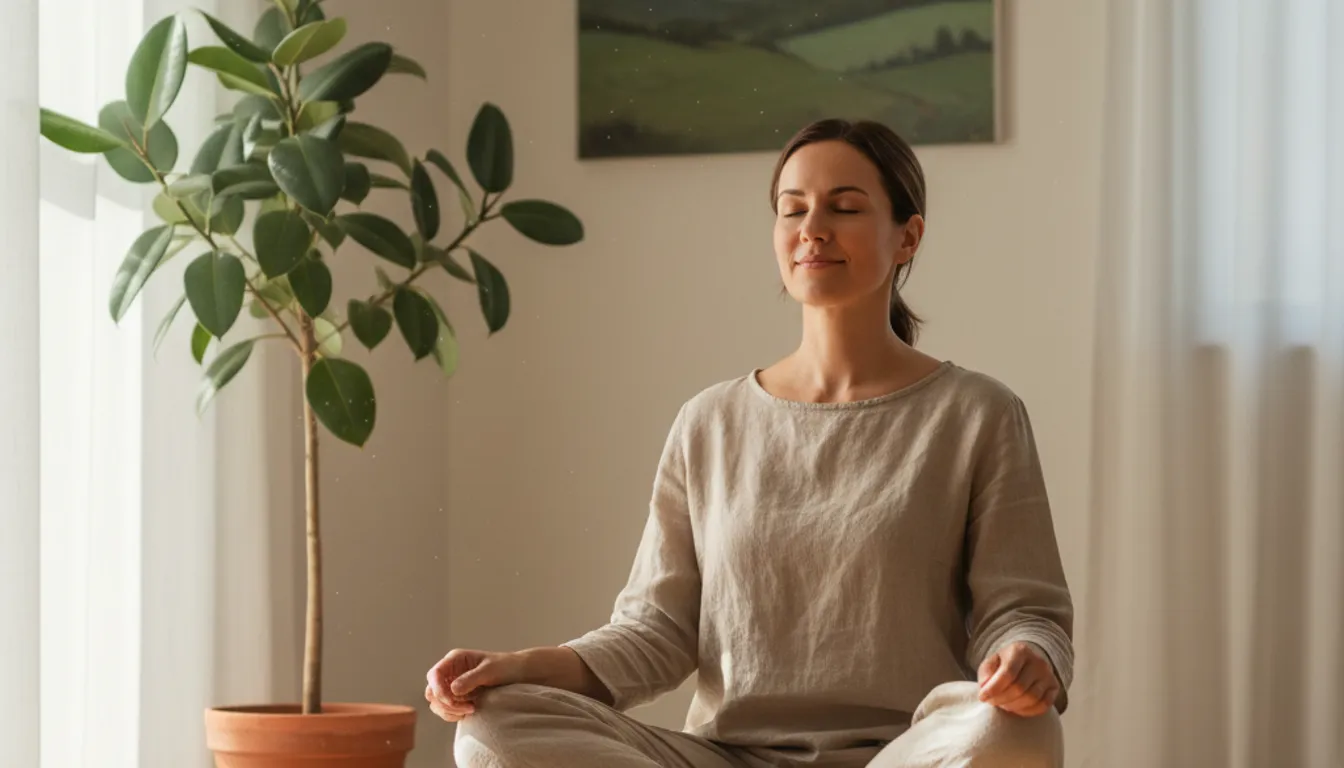
Practice Mindfulness
Try meditation or deep breathing exercises. Even a few minutes a day can make a difference. Finally! Mindfulness Meditation for Beginners: My 3-Step Guide (It Actually Works!)
2. Seek Professional Help
Sometimes, you need backup. And there’s absolutely no shame in that. Therapy, particularly Cognitive Behavioral Therapy (CBT), is incredibly effective for managing anxiety. Consider talking to a therapist or counselor. They can help you identify triggers, develop coping mechanisms, and challenge negative thought patterns. A psychiatrist may also consider the use of medication to manage your anxiety.
3. Build Your Support System
Talk to people you trust. Share how you’re feeling with a friend, a family member, or a support group. Sometimes, just knowing you’re not alone can make a huge difference.
4. Challenge Your Thoughts
Our thoughts are powerful. And sometimes, those thoughts can be pretty darn destructive. Here’s a quick exercise I learned in therapy:
Identify the Thought
What specific thought is causing you distress? (e.g., “I’m going to fail this presentation.”)
Challenge the Thought
Ask yourself: Is this thought based on facts or feelings? What’s the evidence for and against this thought?
Reframe the Thought
Replace the negative thought with a more balanced and realistic one. (e.g., “I might feel nervous, but I’ve prepared and I can get through this.”)
5. Experiment with Natural Remedies
There are several natural remedies that may help to reduce the signs of anxiety in adults. Some options include:
The Plot Twist: What I Learned on My Own Journey
Okay, ready for the “plot twist?” Here’s the thing about anxiety: It’s not a sign of weakness. It’s not a character flaw. It’s a signal. A signal that something isn’t quite right. And, for me, the biggest “aha!” moment came when I realized that my anxiety was actually a gateway. A gateway to understanding myself better, setting boundaries, and creating a life that truly nourishes me.
I discovered that I needed to *slow down*. To say no to things that drained my energy. To prioritize my own needs. I learned to embrace the imperfections and the moments when things didn’t go as planned. And I found that, in doing so, I actually became *stronger*.
The Takeaway: You’re Not Broken
If you’re seeing these signs of anxiety in adults, here’s what I want you to know: You’re not broken. You’re human. And you’re capable of healing and thriving. It won’t happen overnight, and there will be ups and downs. But with the right tools, support, and a whole lot of self-compassion, you *can* find relief.
Remember, it’s about progress, not perfection. Take it one step at a time. Be kind to yourself. And celebrate every little victory along the way.
FAQ
Here are some frequently asked questions about the signs of anxiety in adults:
What are the most common symptoms of anxiety?
Common anxiety symptoms include excessive worry, restlessness, fatigue, difficulty concentrating, and irritability. Physical symptoms like rapid heart rate, sweating, and trembling can also occur.
How can I tell if I have an anxiety disorder?
If you experience persistent and overwhelming anxiety that interferes with your daily life, it might be an anxiety disorder. Seeking a professional diagnosis is important for proper treatment.
What are some ways to manage anxiety?
Managing anxiety involves various techniques such as therapy, medication, mindfulness, regular exercise, a balanced diet, and sufficient sleep.
When should I seek professional help for anxiety?
You should seek professional help if your anxiety is severe, persistent, and impacts your ability to function. A therapist or psychiatrist can provide a diagnosis and treatment plan.
Can diet affect anxiety?
Yes, diet can influence anxiety levels. Consuming processed foods, excessive caffeine, and sugar can worsen symptoms. Focusing on whole foods, healthy fats, and staying hydrated can help manage anxiety. The ULTIMATE Guide to Healthy Fats Foods: Eat These & Glow!
What are some natural remedies for anxiety?
Natural remedies include regular exercise, mindfulness practices, deep breathing exercises, and herbal supplements like chamomile or lavender.
I genuinely hope this helps you take the first steps toward feeling better.