The first time my lower back seized up, I was twenty-eight, fresh out of a yoga class, and reaching for a bag of organic kale chips. One sharp, searing bolt of pain shot through me, and suddenly I was on the floor, unable to move. It felt like someone had driven a hot poker into my spine. I remember the exact fluorescent lighting of the grocery store, the mortified looks from other shoppers, and the crushing feeling that I was officially old.
That was the beginning of a long, frustrating journey of doctors’ appointments, physical therapy sessions that didn’t quite hit the mark, and a constant, low-grade ache that settled into my life like an unwelcome houseguest. I tried everything: chiropractic adjustments, massage therapy, acupuncture, even expensive ergonomic chairs. Some offered temporary relief, but nothing truly addressed the root cause or gave me lasting freedom from pain. I felt trapped in my own body, fearing every bend, lift, and twist.
If you’re reading this, chances are you’ve experienced something similar. That debilitating pain, the frustration of trying countless solutions, and the longing for a life where your back doesn’t dictate your every move. I want you to know: you are not alone, and healing is possible. For me, that healing came in the form of Pilates.
My Journey from Crippling Back Pain to Lasting Relief
For years, my back pain wasn’t just a physical discomfort; it was an emotional burden. It chipped away at my confidence, limited my activities, and made me feel significantly older than my years. Simple tasks like tying my shoes or lifting groceries became anxiety-inducing challenges. I worried about long car rides, sitting at my desk, or even just getting out of bed in the morning.
I was desperate for a solution that didn’t involve medication or surgery. I wanted to understand my body, strengthen it, and regain control. That’s when a friend, seeing my constant struggle, suggested Pilates. Honestly, I was skeptical. I’d tried so many things, and Pilates seemed too gentle, too “easy” to tackle the intense pain I was experiencing. But with nothing left to lose, I decided to give it a try.
Why Pilates? Discovering the Difference for Back Health
What I quickly learned was that Pilates is anything but “easy.” It’s a powerful, precise method of exercise developed by Joseph Pilates in the early 20th century, specifically designed to strengthen the body’s “powerhouse” – the core muscles that support the spine and pelvis. Unlike some other forms of exercise that might focus on superficial muscles, Pilates targets the deep stabilizing muscles often neglected in daily life and traditional workouts.
What Makes Pilates Unique for Back Pain?
Pilates addresses back pain through several key mechanisms:
- Core Strengthening: It builds strength in the deep abdominal muscles, obliques, pelvic floor, and multifidus (small muscles along the spine). A strong core acts like a natural corset, providing crucial support for your lower back and reducing strain.
- Improved Posture: Many back problems stem from poor posture. Pilates emphasizes spinal alignment and teaches you to hold your body in a way that minimizes stress on your back, both during exercise and in daily activities.
- Increased Flexibility and Mobility: While strengthening, Pilates also lengthens muscles, improving overall flexibility and range of motion in the spine and hips. This can alleviate stiffness and muscle imbalances that contribute to pain.
- Mind-Body Connection: Pilates requires concentration and precision. This focus helps you become more aware of your body’s movements, allowing you to identify and correct poor movement patterns that might be exacerbating your pain.
- Low Impact: Most Pilates exercises are performed lying down or seated, making them gentle on joints and suitable for individuals recovering from injury or experiencing acute pain (under guidance).
My “Aha!” Moment: When Pilates Clicked
My “aha!” moment didn’t happen overnight. It was a gradual realization that began with my very first private session. My instructor didn’t push me into complex poses; instead, she focused on fundamental movements, teaching me how to engage my transverse abdominis (my deepest core muscle) and how to breathe properly. For the first time, I felt muscles working that I didn’t even know I had. I started to understand that my back pain wasn’t just about a weak back, but about a lack of integrated strength and stability throughout my entire core.
Within a few weeks, I noticed subtle changes. The constant ache began to recede. I could sit for longer periods without discomfort. After a few months, I was moving with a newfound freedom and confidence. Pilates didn’t just mask my pain; it empowered me to build a stronger, more resilient body from the inside out.
The Exact Pilates Routine I Followed (and You Can, Too!)
While I highly recommend starting with a qualified Pilates instructor, especially if you have chronic pain, I can share the types of exercises and principles that formed the foundation of my healing journey. Remember, consistency and proper form are paramount. Always listen to your body and modify as needed.
Key Principles for a Safe and Effective Routine
- Start Slow and Be Patient: Don’t try to do too much too soon. Focus on mastering the basics.
- Prioritize Form Over Reps: A few perfectly executed movements are far more beneficial than many sloppy ones.
- Engage Your Core: Before every movement, draw your navel towards your spine to activate your deep abdominal muscles.
- Breathe Deeply: Use diaphragmatic breathing to support your core and oxygenate your muscles.
- Consistency is Key: Aim for 2-3 sessions per week to build strength and see lasting results.
Essential Pilates Exercises for Lower Back Pain
Here are some foundational Pilates movements that were crucial for my recovery:
- Pelvic Tilts: Lying on your back with knees bent, gently flatten your lower back into the mat, then arch it slightly, creating a small space. This mobilizes the lower spine and teaches core engagement.
- Imprint and Release: Similar to pelvic tilts, but focusing on the deep abdominal muscles to gently press the lower back into the mat without straining.
- Cat-Cow Stretch: On all fours, arch your back like a cat, then drop your belly towards the floor like a cow. This gently mobilizes the entire spine.
- Bird-Dog: On all fours, extend one arm forward and the opposite leg back, keeping your core stable and hips level. This builds core stability and balance.
- Spine Twist Supine: Lying on your back with knees bent and together, gently let your knees fall to one side while keeping your shoulders grounded. This improves spinal rotation and flexibility.
- Abdominal Curls (Modified): Lying on your back, gently lift your head and shoulders off the mat, focusing on engaging your upper abdominals without straining your neck.
Always consult with a healthcare professional or certified Pilates instructor before starting any new exercise program, especially if you have a pre-existing condition or injury.
Beyond the Mat: The Power of Breathing and Mind-Body Connection
Pilates isn’t just about physical exercises; it’s a holistic practice that integrates mind and body. One of the most profound lessons I learned was the incredible power of breath.
My “Plot Twist” Moment: Unlocking Breath’s Healing Potential
I used to be a shallow chest breather, especially when stressed or in pain. My Pilates instructor taught me diaphragmatic breathing – breathing deeply into my belly, expanding my rib cage laterally. This wasn’t just about getting more oxygen; it was about engaging my core from the inside out. Proper breathing:
- Activates Deep Core Muscles: The diaphragm works in conjunction with the transverse abdominis and pelvic floor, creating a natural internal brace for the spine.
- Reduces Tension: Deep breathing calms the nervous system, reducing muscle tension and the body’s perception of pain.
- Improves Posture: It encourages better rib cage and spinal mobility, contributing to improved posture.
Learning to breathe correctly was my “plot twist” moment. It transformed my Pilates practice and became a tool I could use throughout my day to manage stress and support my back.
Integrating Mindfulness into Your Pilates Practice
The focus and precision required in Pilates naturally cultivate mindfulness. By paying close attention to how your body moves, how your muscles engage, and how your breath supports each action, you develop a deeper connection to yourself. This awareness extends beyond the mat, helping you notice and correct poor postural habits or stressful movements in your daily life before they lead to pain.
Real Stories, Real Relief: Maria’s Transformation with Pilates
My journey is just one example. I’ve seen countless others find relief and renewed vitality through Pilates. Take Maria, for instance. Maria, a vibrant 55-year-old, came to me after years of chronic lower back pain, exacerbated by long hours at a desk job and a love for gardening. She had tried physical therapy, injections, and even considered surgery, but nothing offered lasting comfort.
When Maria started Pilates, she was hesitant and fearful of movement. Her initial sessions focused on gentle pelvic mobility, core activation, and breathing. We worked slowly, building her confidence and strength. Within three months, Maria reported a significant reduction in her daily pain levels. She could sit at her desk with less discomfort, and her gardening sessions, once a source of agony, became enjoyable again. She even started taking long walks, something she hadn’t been able to do in years. Maria’s success wasn’t just about stronger muscles; it was about regaining her life and rediscovering the joy of movement.
Complementary Strategies for Holistic Back Pain Management
While Pilates was my primary path to healing, a holistic approach to back health often involves combining it with other supportive strategies. Think of it as building a comprehensive wellness toolkit.
Ergonomics and Daily Habits
- Assess Your Workspace: Ensure your chair, desk, and monitor are set up to support good posture. Use lumbar support if needed.
- Mindful Lifting: Always bend at your knees, not your back, and engage your core when lifting objects.
- Movement Breaks: If you sit for long periods, stand up and move around every 30-60 minutes.
- Supportive Footwear: Choose shoes that provide good arch support and cushioning.
Mindful Movement and Activity
- Gentle Stretching: Incorporate light stretching for your hamstrings, hip flexors, and glutes, as tightness in these areas can impact your lower back.
- Walking: A low-impact activity that can improve circulation and strengthen core muscles.
- Hydration and Nutrition: Staying hydrated and eating an anti-inflammatory diet can support overall tissue health.
- Adequate Sleep: Ensure you’re getting enough restorative sleep on a supportive mattress.
When to Seek Professional Guidance
While Pilates is incredibly beneficial, it’s important to know when to seek additional professional help. If you experience:
- Sudden, severe pain
- Numbness or tingling in your legs or feet
- Weakness in your legs
- Loss of bladder or bowel control
- Pain that worsens or doesn’t improve with self-care
Consult a doctor or physical therapist immediately. They can diagnose the underlying cause of your pain and guide you on the safest path to recovery, potentially integrating Pilates into your treatment plan.
Frequently Asked Questions About Pilates for Lower Back Pain
Is Pilates Safe for All Types of Back Pain?
Pilates can be highly beneficial for many types of back pain, especially those related to muscle imbalance, poor posture, and core weakness. However, it’s crucial to consult with a doctor or physical therapist first, especially if you have a specific diagnosis like a herniated disc, sciatica, or spinal stenosis. A qualified Pilates instructor can then tailor exercises to your specific needs and limitations.
How Long Does It Take to See Results?
Results vary from person to person. Many people report feeling some relief and increased body awareness within a few weeks of consistent practice (2-3 times per week). Significant improvements in strength, flexibility, and pain reduction often become noticeable after 2-3 months. Long-term benefits are achieved through ongoing commitment.
Should I Start with Mat or Reformer Pilates?
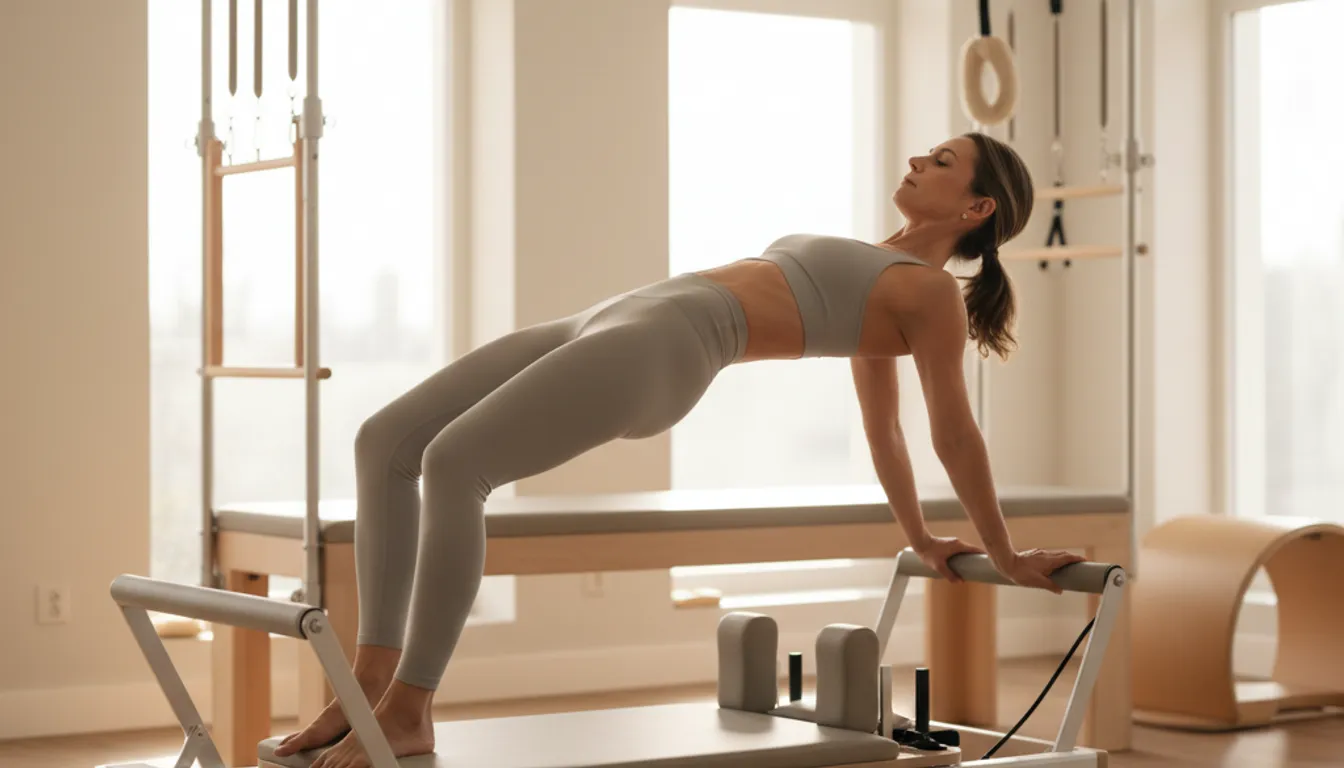
Both mat and reformer Pilates are effective. Mat Pilates uses your body weight for resistance and is often more accessible. Reformer Pilates uses specialized equipment with springs and pulleys, which can provide additional support, resistance, and feedback, making it excellent for rehabilitation and building strength. If you have significant pain or limitations, starting with private reformer sessions with an experienced instructor is often recommended for personalized attention and modifications.
Can Pilates Replace Other Treatments?
Pilates is a powerful tool for managing and preventing back pain, but it should be seen as a complementary therapy rather than a replacement for medical treatment, especially for acute or severe conditions. It works best as part of a comprehensive approach that may include physical therapy, chiropractic care, and medical consultations as needed.
Your Next Chapter: Embracing Pilates for a Pain-Free Life
My journey with back pain was a challenging one, but it led me to discover Pilates, a practice that not only healed my body but also transformed my relationship with movement. If you’re struggling with back pain, I urge you to explore Pilates. It’s more than just exercise; it’s an investment in your long-term health, well-being, and freedom.
Don’t let back pain define your life. Take that first step, find a qualified instructor, and begin your own journey towards a stronger, more resilient, and pain-free you. Your next chapter, one filled with movement and vitality, is waiting to be written.