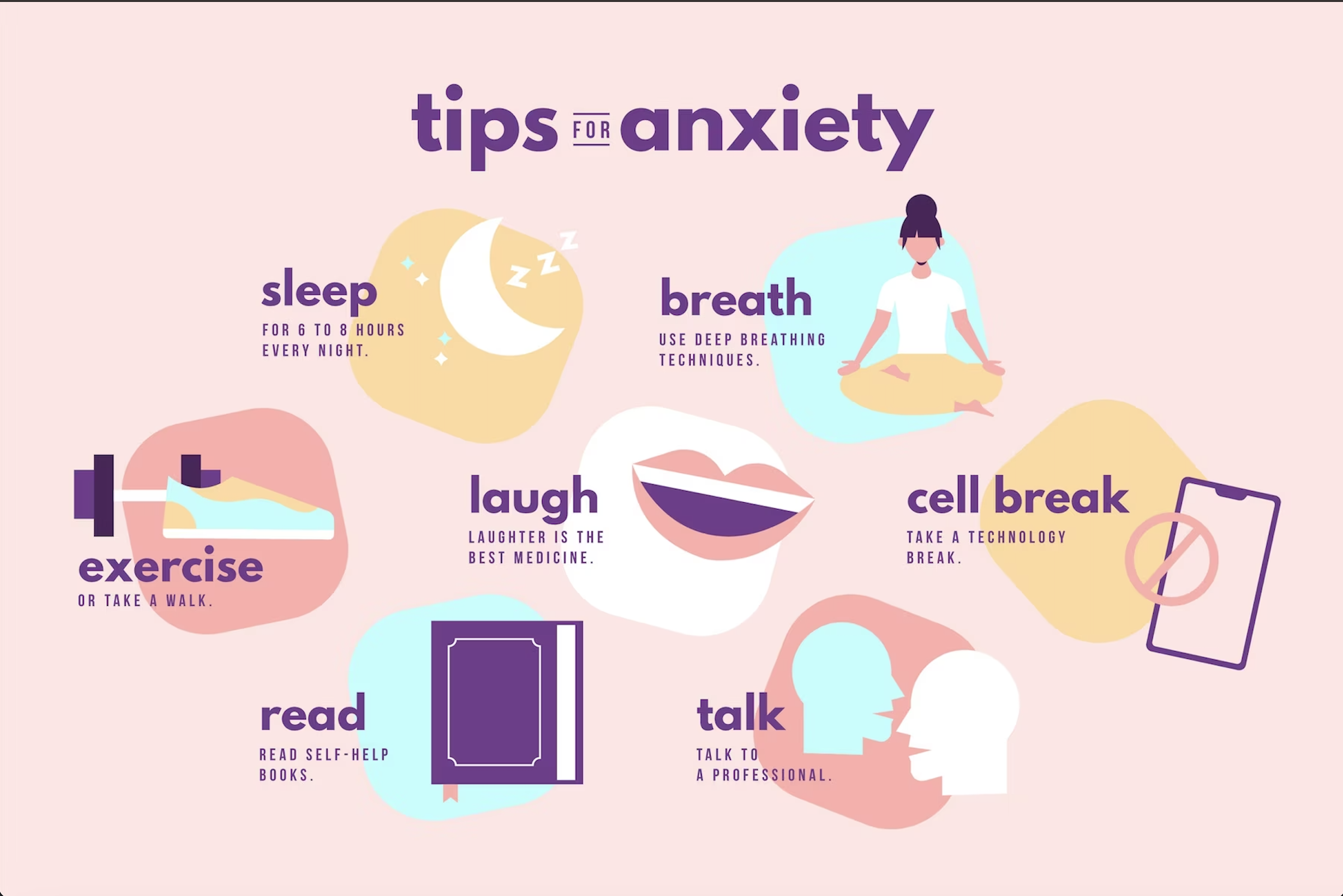

I was crying in Target the other day. Over, like, tampons. (Seriously, the worst.) I felt the familiar clutch of anxiety around my chest, that feeling like I was being squeezed from the inside. It’s a feeling I know all too well, even after years of healing from corporate burnout. But girl, I’ve got a secret weapon. Okay, maybe not one weapon, but a whole arsenal: mindfulness exercises for stress relief. And I’m here to share them with you.
You know that moment when you feel totally overwhelmed, like your brain is a runaway train? Yeah, me too. The good news? You can actually train your brain to handle stress better. It’s like building mental muscles. These exercises aren’t just for monks on mountaintops, either. They’re practical, doable, and actually, really effective.
Why Mindfulness Exercises for Stress Relief Actually Work
Okay, so what’s the science? Basically, mindfulness helps you become more aware of the present moment, without judgment. When you practice these techniques, you’re not getting rid of stress, but learning how to respond to it instead of reacting. Research shows that mindfulness can literally change your brain, reducing the activity in the amygdala (the “fight or flight” center) and increasing activity in the prefrontal cortex (the part that helps with decision-making and emotional regulation).1 Sounds fancy, I know. But the takeaway is this: you can actually rewire your brain to be less reactive and more resilient.
I’m living proof, I kid you not! Years ago, the simplest things would send me spiraling. A missed email, a rude comment, even the thought of a traffic jam. Nowadays, I’m able to navigate the chaos with a lot more grace. These practices are my daily bread and butter, and they can be yours, too. If you are struggling with some of the sneaky signs of anxiety, check out 10 Sneaky Signs of Anxiety in Adults (You Might Be Missing!) for some tips.
My Top 7 Mindfulness Exercises for Stress Relief (and How to Do Them)
Here’s the deal: These exercises are meant to be woven into your life, not to be another thing on your to-do list. Try one, try all – find what works for you and make it your own. Start slowly, be patient with yourself, and celebrate every small victory. You got this!
🧘♀️ Breathing Exercises
This is the OG of stress relief. When you’re stressed, your breath becomes shallow and rapid. Breathing exercises (like box breathing: inhale for 4, hold for 4, exhale for 4, hold for 4) signal to your nervous system that it’s safe to chill. Even 5 minutes can make a difference. Do this: Try a guided breathing exercise on YouTube before a stressful meeting. ✅
🚶 Walking Meditation
Don’t have time to sit still? No problem! Walking meditation is simply paying attention to the sensations of walking – the feeling of your feet on the ground, the movement of your body. It’s a great way to combine mindfulness with some gentle exercise. Do this: Take a 10-minute walk, focusing on each step. ⭐
👂 Body Scan Meditation
This is a great one for connecting with your body and noticing where you’re holding tension. You bring your attention to different parts of your body, noticing any sensations without judgment. Do this: Lie down, close your eyes, and slowly bring your awareness to your toes, then your feet, ankles, and so on. ⭐
✍️ Mindful Journaling
Getting your thoughts and feelings out on paper can be incredibly therapeutic. It’s like a brain dump! Don’t censor yourself, just write. Do this: Write for 5-10 minutes each morning, focusing on whatever comes to mind. ✅
🍎 Mindful Eating
Yep, even eating can be a mindfulness exercise. Pay attention to the taste, texture, and smell of your food. Put away distractions (like your phone) and really savor each bite. Do this: Choose one meal a day to eat mindfully. Slow down! ⭐
🎶 Sound Meditation
Sound meditations use things like singing bowls, nature sounds, or even just ambient music to help you focus and relax. Do this: Find a guided sound meditation online and listen for 15-20 minutes. ✅
💖 Loving-Kindness Meditation
This is all about cultivating feelings of love, compassion, and kindness towards yourself and others. It might sound a bit “woo-woo,” but it’s incredibly powerful for building resilience and reducing stress. Do this: Sit quietly and silently repeat phrases like “May I be happy. May I be healthy. May I be safe.” Send those wishes to loved ones, difficult people, and the entire world. ⭐
My 7-Day Mindfulness Challenge: A Week of Calm
Ready to jump in? Here’s a simple plan to get you started. Remember, the goal is progress, not perfection. And don’t be afraid to tweak it to fit your life. It’s all about finding what works for you.
| Day | Morning | Afternoon | Evening |
|---|---|---|---|
| Monday ⭐ | Breathing Exercise (5 min) | Mindful Walk (10 min) | Body Scan Meditation (10 min) |
| Tuesday ✅ | Mindful Journaling (5 min) | Breathing Exercise (5 min) | Loving-Kindness Meditation (10 min) |
| Wednesday | Body Scan Meditation (10 min) | Mindful Eating (1 meal) | Sound Meditation (15 min) |
| Thursday | Breathing Exercise (5 min) | Mindful Walk (10 min) | Mindful Journaling (5 min) |
| Friday | Loving-Kindness Meditation (10 min) | Sound Meditation (15 min) | Body Scan Meditation (10 min) |
| Saturday | Mindful Eating (1 meal) | Breathing Exercise (5 min) | Free Day! Pick your favorite from the week. |
| Sunday | Choose 2 exercises from the week. | Review your progress and celebrate! | Plan your mindfulness practice for next week. |
Real-Life Wins: How Mindfulness Changed My Clients’ Lives
I’ve seen these techniques work wonders with my clients. Here are a couple of stories that always give me the warm fuzzies:
Sarah, Corporate Lawyer: Sarah was a total workaholic. She was always stressed, anxious, and exhausted. I taught her breathing exercises and mindful journaling. Plot twist: After just a few weeks, she was able to manage her stress without going to pieces. She actually started enjoying her weekends and stopped dreading Mondays. She even started taking dance classes! Talk about a transformation!
David, New Dad: David was a new dad, completely overwhelmed by the lack of sleep and the constant demands of a newborn. He was on the brink of burnout. We focused on body scan meditations and mindful eating. The result? He found moments of calm amidst the chaos, started sleeping a little better, and bonded more with his baby. He was so grateful.

Troubleshooting: Common Questions About Mindfulness Exercises
I get these questions all the time. Let’s address them!
I can’t “turn off” my thoughts. Is this normal?
Absolutely! It’s completely normal for your mind to wander. The goal isn’t to stop thinking, but to notice your thoughts without getting carried away by them. When you notice your mind wandering, gently bring your attention back to your chosen exercise.
How often should I practice?
Even a few minutes a day can make a difference. Consistency is key! Aim for daily practice, even if it’s just for 5 minutes. As you become more comfortable, you can gradually increase the time.
Where should I practice?
Anywhere! You can practice in bed, at your desk, on the bus – wherever you can find a quiet moment. Try to find a space where you feel comfortable and undisturbed, but don’t let the lack of the perfect environment stop you.
What if I fall asleep?
It happens! Don’t beat yourself up. Just gently bring your attention back to the exercise when you wake up. It often means your body really needed rest.
Is this just meditation?
Mindfulness includes meditation, but it’s so much more! It’s a way of living. Meditation is a specific practice, while mindfulness is about bringing awareness to your everyday activities. Remember, you can also consider Aromatherapy for Relaxation: 5 Simple Rituals to Calm Your Chaos for added stress relief.
I’m too busy. How can I fit this in?
Start small. Even a minute or two of mindful breathing can help. Try integrating mindfulness into your daily routines, like brushing your teeth or washing dishes. You don’t need a lot of time. Really!
What if I have a history of trauma?
If you have a history of trauma, it’s a good idea to work with a therapist who is trained in trauma-informed mindfulness practices. These exercises can be incredibly helpful, but they need to be approached with care and guidance. Consider checking out How I Built Bulletproof Resilience After Trauma: My Secret Guide for extra support.
Mindfulness: Your Path to a Calmer, Happier You
So, there you have it: my tried-and-true mindfulness exercises for stress relief. These practices can be powerful tools to manage stress, reduce anxiety, and cultivate a greater sense of peace and well-being. Remember, it’s a journey, not a destination. Be patient with yourself, celebrate your progress, and enjoy the ride!
Now, go forth and breathe! You got this, girl! And for some extra tips on managing stress, remember to consider 5 Ways Your Body Holds Stress (and How to Release It).
Disclaimer: This is not medical advice. Consult with your doctor or a qualified healthcare professional before starting any new wellness program.
1. Hölzel, B. K., Carmody, J., Vangel, M., Congleton, C., Yerramsetti, S. M., Gard, T., & Lazar, S. W. (2011). Mindfulness practice leads to increases in regional brain gray matter density. Psychiatry Research: Neuroimaging, 191(1), 36–43.