Key Takeaways & Nutritional Summary:
- Stanford Fermentation Study: Landmark research demonstrated that consuming 6 servings of fermented foods daily significantly increased microbial diversity while lowering 19 inflammatory cytokines.
- Short-Chain Fatty Acids (SCFAs): Microbial fermentation of complex starches produces acetate, propionate, and butyrate?the primary energy source for colonocytes.
- Resistant Starches: Cooked and cooled tubers and legumes escape upper digestive breakdown, arriving intact in the cecum to feed beneficial bifidobacteria.
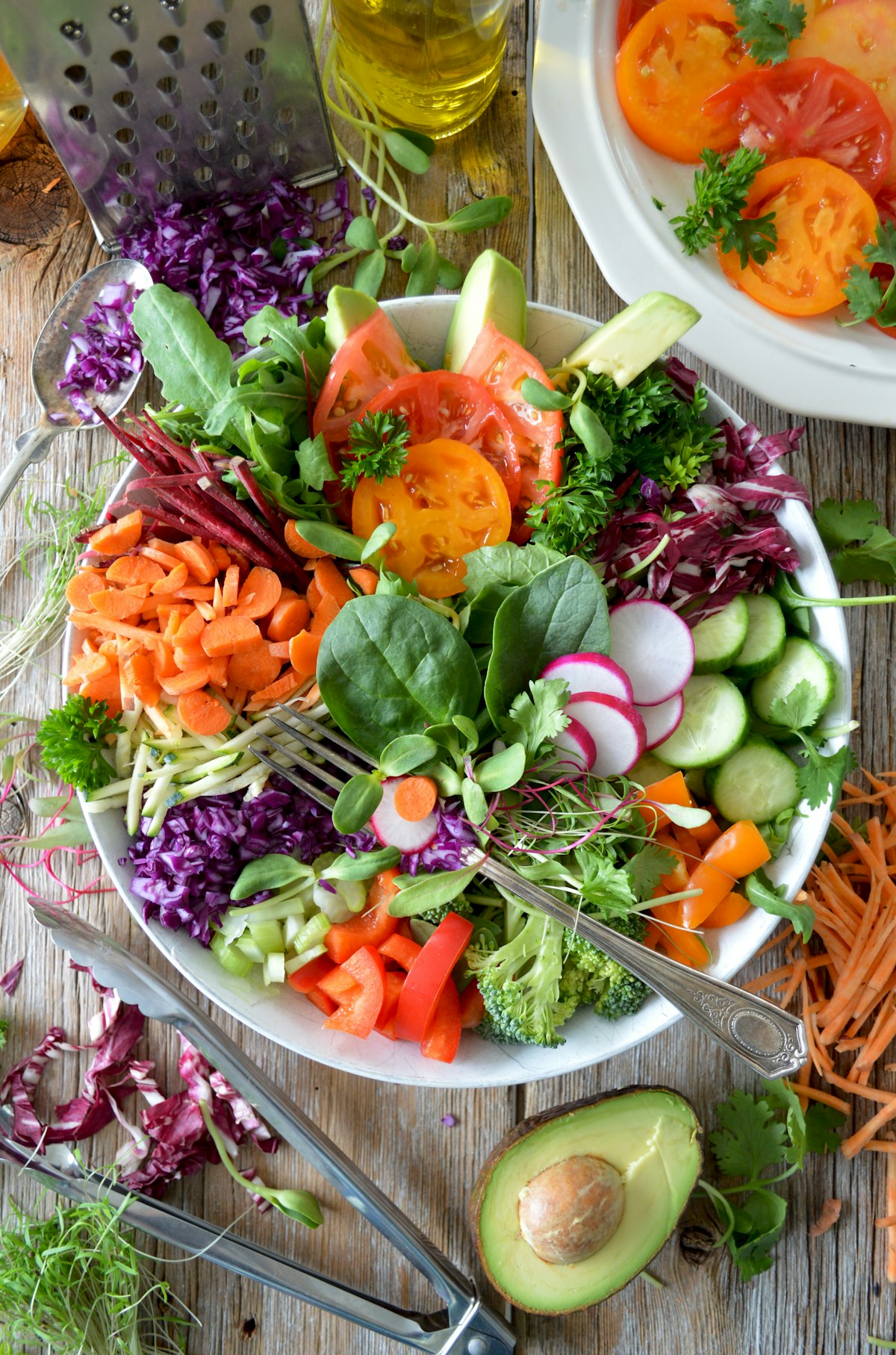
- The Microbiome Diversity Rule: Greater dietary botanical diversity correlates directly with wider microbial richness and superior metabolic resilience.
The Internal Ecology of Human Nutrition
For decades, nutritional science quantified food through an overly simplistic thermodynamic formula: calories in versus calories out, accompanied by broad macronutrient splits. Today, microbiome science has revealed that you do not merely eat to feed human cells; you eat to feed the trillions of symbiotic bacteria inhabiting your distal colon.
These microflora possess over 3 million unique genes?vastly outnumbering the human genome. When nourished with appropriate complex substrates, they synthesize essential vitamins (B12, K2), modulate immune checkpoints, and produce metabolic signaling molecules that dictate fat storage and insulin sensitivity.
Fermented Foods vs Fiber: What Clinical Trials Reveal
In a seminal 10-week clinical trial conducted by Stanford University researchers Drs. Justin and Erica Sonnenburg, participants were split into a high-fiber group and a high-fermented-food group. While high fiber supported intestinal motility, the high-fermented-food cohort experienced a dramatic leap in microbial biodiversity alongside marked reductions in circulating inflammatory cytokines (including IL-6 and IL-1b).
| Fermented Food | Predominant Strains | Specific Health Benefit |
|---|---|---|
| Raw Unpasteurized Kimchi | Leuconostoc mesenteroides, Lactobacillus plantarum | Anti-microbial against pathogens, increases mucosal secretory IgA |
| Traditional Kefir | Over 30 probiotic species + beneficial yeasts (Kluyveromyces) | Colony colonization potential, degrades lactose, supports bone mineral density |
| Real Sauerkraut (Refrigerated) | Lactobacillus brevis, Pediococcus pentosaceus | High vitamin C availability, natural glucosinolate compounds |
Resistant Starches: The Fuel for Butyrate
In addition to live cultured foods, your gut bacteria crave resistant starch (RS). Unlike ordinary starches that break down rapidly into glucose in the small intestine, resistant starch resists enzymatic digestion. To easily generate resistant starch at home: cook potatoes, sweet potatoes, or white rice, and refrigerate them overnight for 12 hours. This process causes starch retrogradation, converting up to 10% into resistant starch that fuels butyrate-producing colon microbes.
Clinical Nutrition Pro-Tip:
Introduce fermented foods gradually. If your gut is unaccustomed to live cultures, start with just one tablespoon of sauerkraut brine or kefir daily, increasing slowly over 3 weeks to prevent temporary gas and bloating.
The Bottom Line on Microbiome Vitality
Cultivating a flourishing internal ecosystem requires deliberate nourishment. Combine a diverse spectrum of dietary fibers with daily portions of unpasteurized fermented foods to build a resilient gut microbiome and vibrant overall health.