Introduction: The Wild West of Skincare Advice
Okay, friends, let’s talk skincare. Specifically, let’s talk about the insane amount of misinformation swirling around out there. It feels like every other day there’s a new “miracle cure” or a “must-do” skincare tip going viral. And honestly? A lot of it is just plain wrong. I mean, really, really wrong. So, I’m here to set the record straight and help you avoid doing some serious damage to your precious face. This is about more than just a breakout; we’re talking long-term skin health here. Buckle up, because we’re diving deep into the viral skincare myths that need to be debunked right now.
Table of Contents
- Introduction: The Wild West of Skincare Advice
- Myth #1: Natural Skincare is Always Better
- Why This Myth is Harmful
- The Truth About “Natural”
- Myth #2: You Don’t Need Sunscreen on Cloudy Days
- The Science of Sun Damage
- Sunscreen Every Day, No Excuses
- Myth #3: The More You Exfoliate, The Better
- The Dangers of Over-Exfoliation
- Finding the Right Balance
- Myth #4: You Can Shrink Your Pores
- Why Pores Appear Larger
Myth #1: Natural Skincare is Always Better
Oh, this one gets me. I used to believe it wholeheartedly. “Natural” sounds so pure and gentle, right? The truth? Poison ivy is natural. Arsenic is natural. Just because something comes from the earth doesn’t automatically make it good for your skin. In fact, many natural ingredients can be incredibly irritating or even allergenic.
Why This Myth is Harmful
- Irritation and Allergies: Essential oils, for example, are often touted as natural wonders, but they are highly concentrated and can cause significant skin irritation, redness, and even allergic reactions. I once slathered my face in a DIY mask made with lemon juice (because “brightening!”) and ended up with a chemical burn. Not cute.
- Inconsistent Potency: The potency of natural ingredients can vary wildly depending on where they were grown, how they were harvested, and how they were processed. You’re not getting a consistent dose of active ingredients, which means you might not see any results or, worse, you might experience unexpected reactions.
The Truth About “Natural”
The reality is that well-formulated skincare products, whether they contain natural or synthetic ingredients (or both!), undergo rigorous testing to ensure safety and efficacy. Look for products from reputable brands that prioritize research and use evidence-based ingredients. Don’t be afraid of “chemicals” – many synthetic ingredients are actually safer and more stable than their natural counterparts.
Myth #2: You Don’t Need Sunscreen on Cloudy Days
This is a big one, and it’s so dangerous! I hear this all the time, and it makes my skin crawl (in a metaphorical, sunscreen-protected way, of course). UV rays don’t magically disappear behind clouds, people! They’re still there, sneaky little things, penetrating through the cloud cover and wreaking havoc on your skin.
The Science of Sun Damage
UVA rays, which are responsible for aging (think wrinkles and sunspots), can penetrate clouds. UVB rays, which cause sunburn, are partially blocked by clouds, but still get through. So, even on a cloudy day, you’re still exposed to harmful radiation that can lead to premature aging, skin cancer, and all sorts of other unpleasantness.
Sunscreen Every Day, No Excuses
Make sunscreen a non-negotiable part of your daily routine, regardless of the weather. Look for a broad-spectrum sunscreen with an SPF of 30 or higher. Apply it generously to all exposed skin, and reapply every two hours, especially if you’re sweating or swimming. My go-to is a lightweight, mineral-based sunscreen that doesn’t leave a white cast. Trust me, your future self will thank you.
Myth #3: The More You Exfoliate, The Better
Ah, exfoliation. We all love that smooth, glowy feeling after a good scrub, but there is such a thing as too much of a good thing. Over-exfoliating can strip your skin of its natural oils, damage its protective barrier, and leave you with redness, irritation, and even breakouts.
The Dangers of Over-Exfoliation
- Compromised Skin Barrier: Your skin barrier is like a brick wall that protects your skin from the outside world. Over-exfoliating weakens that wall, making your skin more susceptible to environmental aggressors, bacteria, and irritants.
- Inflammation and Redness: When you over-exfoliate, you’re essentially causing micro-tears in your skin, leading to inflammation, redness, and sensitivity.
- Paradoxical Breakouts: Stripping your skin of its natural oils can actually trigger your skin to produce more oil, leading to clogged pores and breakouts.
Finding the Right Balance
The key is to exfoliate gently and infrequently. Most people only need to exfoliate 1-2 times per week. Opt for gentle exfoliants like AHAs (alpha hydroxy acids) or BHAs (beta hydroxy acids) in low concentrations. And always, always listen to your skin. If you notice any redness, irritation, or sensitivity, back off the exfoliation immediately. I personally love using a gentle lactic acid serum once a week for a subtle, yet effective exfoliation. My skin feels renewed without feeling stripped.
Myth #4: You Can Shrink Your Pores
Okay, this one is a straight-up lie. I hate to break it to you, but you can’t actually shrink your pores. Pore size is largely determined by genetics. What you can do is minimize their appearance by keeping them clean and unclogged.
Why Pores Appear Larger
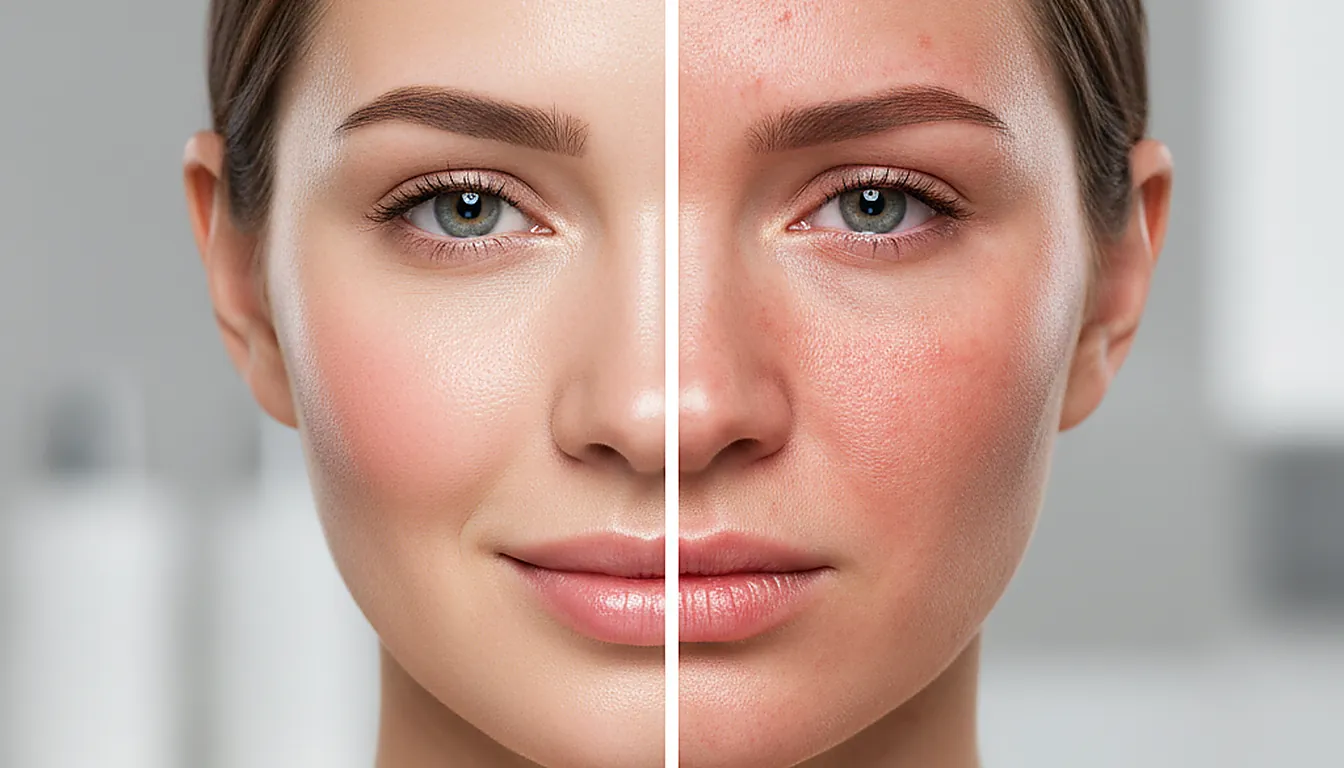
Pores are tiny openings in your skin that contain hair follicles and oil glands. When they become clogged with dirt, oil, and dead skin cells, they can appear larger. Think of it like a balloon – when it’s empty, it’s small and deflated. But when it’s filled with air, it expands.
Back to the flow—this is the practical bit.
How to Minimize Pore Appearance
- Regular Cleansing: Wash your face twice a day with a gentle cleanser to remove dirt, oil, and makeup.
- Exfoliation: As mentioned earlier, exfoliation helps to remove dead skin cells that can clog pores.
- Clay Masks: Clay masks can help to draw out impurities from your pores, making them appear smaller.
- Non-Comedogenic Products: Use skincare products that are labeled as “non-comedogenic,” which means they won’t clog your pores.
Myth #5: Expensive Skincare is Always Better
Price tag doesn’t always equal quality. I’ve tried skincare products that cost a fortune and did absolutely nothing for my skin, and I’ve found affordable drugstore gems that work wonders. The effectiveness of a skincare product depends on its formulation, ingredients, and how well it addresses your specific skin concerns, not its price tag.
What Really Matters
- Ingredients: Look for products with proven active ingredients that target your specific concerns, such as retinol for anti-aging, vitamin C for brightening, or salicylic acid for acne.
- Formulation: The way a product is formulated can affect how well the ingredients penetrate the skin.
- Reviews and Research: Read reviews and do your research before purchasing any skincare product, regardless of its price.
Finding the Right Products for You
Don’t be afraid to experiment with different brands and price points to find what works best for your skin. Focus on ingredients and formulation, rather than just the price tag. Sometimes, the best products are the ones you least expect! I’ve had amazing results with simple, affordable serums from brands I discovered through online research and reading user reviews. It’s all about finding what clicks with *your* skin.
Conclusion: Be a Savvy Skincare Consumer
Navigating the world of skincare can be overwhelming, especially with all the misinformation out there. But by being a savvy consumer, doing your research, and listening to your skin, you can avoid these common skincare myths and achieve healthy, glowing skin. Remember, what works for one person might not work for another, so don’t be afraid to experiment and find what’s right for you. And always, always wear sunscreen!
Key Takeaways
- Introduction: The Wild West of Skincare Advice
- Myth #1: Natural Skincare is Always Better
- Why This Myth is Harmful
- The Truth About “Natural”
- Myth #2: You Don’t Need Sunscreen on Cloudy Days